




A Genre on Life Support
To understand the lightning-in-a-bottle impact of 'Scream', you have to remember what the horror landscape looked like in the mid-1990s. It was bleak. The golden age of the slasher, defined by icons like Michael Myers and Jason Voorhees, had devolved
into a parade of uninspired, low-budget sequels. The genre that once packed theaters was now often relegated to the direct-to-video shelf, suffering from a severe case of franchise fatigue. Horror had become predictable, formulaic, and, worst of all, boring. The genuine scares of the '70s and '80s had been replaced by by-the-numbers kill counts and nonsensical plots. The genre wasn't dead, but it was desperately in need of a jump-start.
The Phone Call That Changed Everything
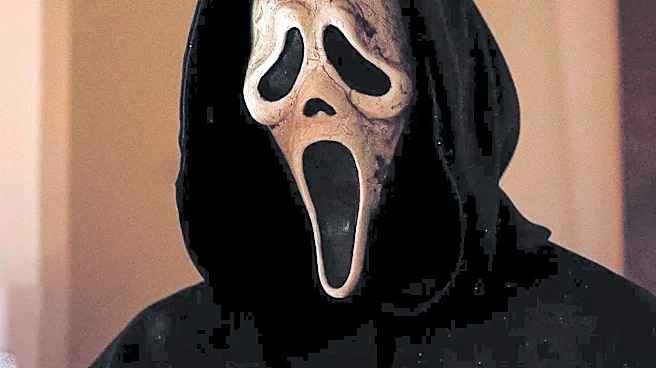
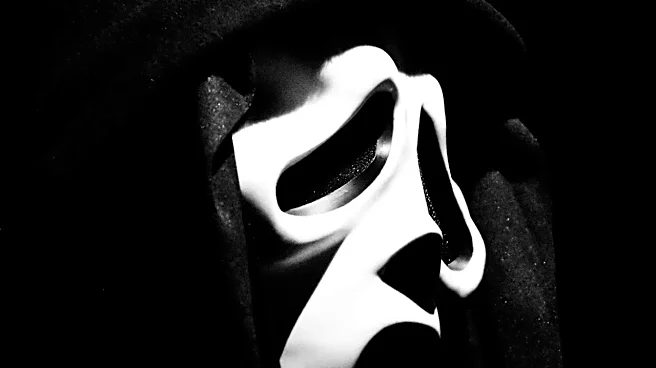
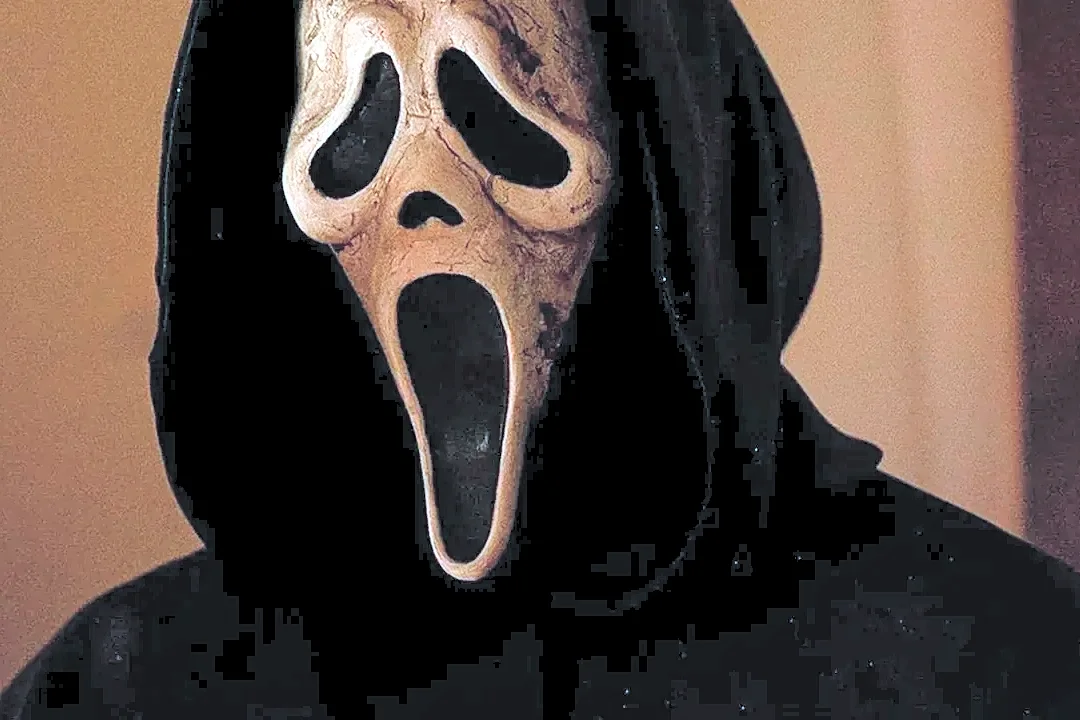
Then, in December 1996, director Wes Craven and a then-unknown writer named Kevin Williamson delivered a defibrillator shock to the heart of horror. 'Scream' opened with a sequence that instantly became legendary: a top-billed Drew Barrymore is terrorized and killed in the first 12 minutes. This audacious move signaled that the old rules no longer applied. The film's central conceit was revolutionary: a killer who uses his knowledge of scary movies to taunt his victims, who are, in turn, equally fluent in the genre's clichés. It wasn't just a horror movie; it was a movie about horror movies, and it was smart, funny, and genuinely terrifying.
Turning Viewers into Critics
'Scream' did more than just reference other films; it weaponized film theory. The key was Randy Meeks, the video-store clerk who famously paused a party to lay out the 'rules' for surviving a horror movie. Rule #1: You can never have sex. Rule #2: You can never drink or drugs. Rule #3: Never, ever say 'I'll be right back'. In this single, iconic scene, the film handed its audience a critical vocabulary. It transformed passive viewers into active participants, encouraging them to spot the tropes, identify the 'final girl', and try to unmask the killer alongside the characters. Watching a horror movie was no longer just about screaming; it was about solving a puzzle. The film taught us how to deconstruct the very thing we were watching.
A New Blueprint for Terror
The success of 'Scream' was immediate and immense, becoming the highest-grossing slasher of its time. More importantly, it created a new blueprint. Suddenly, Hollywood was greenlighting a wave of self-aware teen slashers, from 'I Know What You Did Last Summer' (also penned by Williamson) to 'Urban Legend' and 'The Faculty'. The meta-commentary that felt so fresh in 'Scream' became a new industry standard. Even films that weren't direct copies absorbed its lesson: modern audiences were savvy, and horror movies had to be smarter to scare them. The film didn't just save the slasher; it forced the entire genre to evolve.