
The Personal Becomes Universal
At its core, Americana is a genre built on storytelling. While pop music often chases abstract feelings, Americana grounds itself in specifics: the color of a dress, the name of a town, the way a father held his tools. When those specifics are drawn from
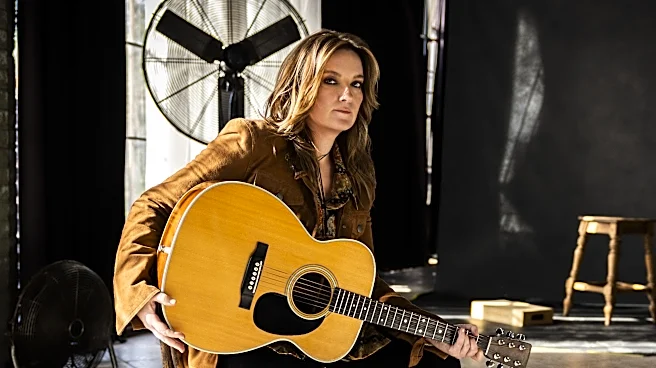
a songwriter's own family tree, they gain a startling resonance. Brandy Clark, a songwriter known for her detailed portraits of working-class life, often draws from the world she grew up in, a small town in Washington. Her ability to capture the struggles and dignities of ordinary people comes from a place of deep familiarity, turning characters who could be her neighbors into universal figures we all recognize. This act of translation—from a highly personal truth to a broadly relatable story—is the central magic of Americana. It’s the reason a song about someone else’s grandmother can feel like it’s about your own.
Confronting the Family Ghosts
Family stories aren't always warm and comforting. Sometimes, they are ghost stories. Americana is unique in its willingness to confront the darker side of inheritance: addiction, poverty, and generational trauma. No modern songwriter has navigated this territory more unflinchingly than Jason Isbell. His songs often explore his own family history and his struggles with alcoholism. In “Children of Children,” Isbell reflects on the sacrifices his young mother made and the guilt he carries from it, singing, “All the years I took from her just by being born.” It's a brutally honest confession that speaks to a complicated, widespread feeling. Similarly, his classic song “Decoration Day” details a violent, long-running feud between two families, a story rooted in his own family's past. By putting these harrowing tales to music, songwriters don't just tell a story; they perform a kind of public exorcism, processing their own history while giving listeners a language for their own unspoken pains.
The Weight of a Name and a Legacy
For some artists, family isn't just a source of stories but of the craft itself. Lucinda Williams, daughter of the acclaimed poet Miller Williams, grew up in a world steeped in language. Her father was a direct influence, even suggesting word changes in her lyrics. This inheritance became most poignant as he battled Alzheimer's. Williams turned his poem “Compassion” into a song, a tribute that bridges their two artistic worlds. The song contains the line that became the title of her album: “down there where the spirit meets the bone,” a phrase that perfectly captures the raw, deep-seated nature of both family and her music. In these instances, songwriting becomes an act of carrying a legacy forward. It's a way of honoring a parent's influence, not just in memory but by weaving their actual words and spirit into new art, ensuring the family name continues to resonate.
The Ultimate Source of Authenticity
In a genre obsessed with what’s “real,” there is no greater claim to authenticity than one’s own bloodline. The traditions of folk, blues, and country music that merged to create Americana were all forms of telling true stories about real life. Modern artists continue this by mining the most verifiable source they have: their own experience and the experiences of those who came before them. When Jason Isbell writes about his father being too exhausted from his job to attend church, it’s a story pulled directly from a phone conversation. This isn’t just songwriting; it’s a form of journalism, of bearing witness. By documenting these small, intimate moments, artists create a body of work that acts as a living family archive. The songs become a testament, preserving the joy, the pain, and the quiet dignity of a life lived, ensuring that the stories don’t fade when the people who lived them are gone.