




The Power of the Crowd
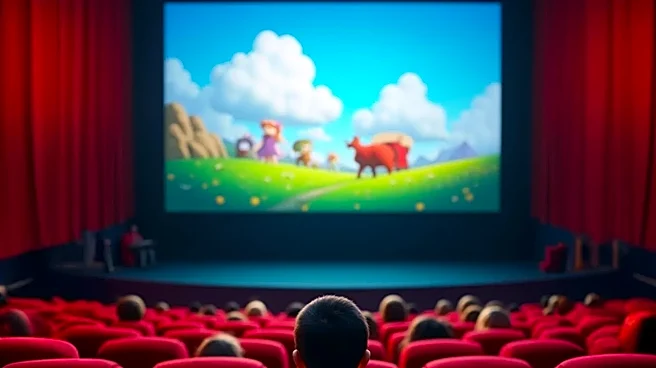
The single biggest difference between a festival premiere and a solo screening is the audience. A packed theater creates a powerful, shared emotional experience that simply can’t be replicated at home. When hundreds of people laugh, gasp, or hold their
breath in stunned silence together, it amplifies your own reaction. It’s a collective ritual, where the energy in the room becomes part of the film itself. A joke lands harder when you’re surrounded by laughter; a jump scare is more potent when you hear a collective shriek. This phenomenon, known as emotional contagion, means you’re not just watching a film—you’re participating in a communal event. Spontaneous applause for a stunning scene or a beloved actor’s entrance transforms passive viewing into an active, shared celebration. That energy is infectious and can elevate a good movie into an unforgettable one.
The Festival Bubble Is Real
Film festivals like TIFF don’t just showcase movies; they generate an immense amount of hype. For ten days, the festival becomes the center of the film world, with critics, industry insiders, and passionate fans creating a whirlwind of anticipation. This buzz creates a narrative around a film long before it reaches the public. Being part of that environment, you are primed to look for greatness. There’s a psychological desire to be “in on the discovery” of the next big thing. Audience reactions at TIFF are often seen as an early indicator of a film's awards potential, which adds another layer of importance to every screening. When you’re sitting in that theater, you’re not just watching a movie; you’re a tastemaker, and that feeling can color your perception, making the experience feel more significant. That external validation is completely absent when you’re pressing play on a Tuesday night.
A Captive and Curated Experience
At a festival, you make a tacit agreement with the filmmaker. You are in a dark room, with a massive screen and a perfectly tuned sound system, and you have agreed to give the film your undivided attention. There are no phones to check, no pets to feed, no option to pause for a snack. You surrender control and allow the film to unfold at its intended rhythm. This focused environment is a privilege, creating an immersive state that allows you to catch every nuance. Filmmakers craft their movies for this ideal setting. By contrast, watching at home is a battle against a thousand potential distractions. The ability to pause breaks the carefully constructed tension, while notifications and the temptation of a second screen pull you out of the story. The film is no longer an event; it's just content competing for your attention.
Home Viewing Has Its Own Rules
While the festival experience is communal and intense, home viewing is personal and intimate. This isn't necessarily a bad thing. Watching alone or with a close friend can foster a different, sometimes deeper, connection to a film. Without the influence of a crowd, your emotional response is purely your own. Studies have even suggested that home viewers sometimes report feeling more “moved” and recall more personal memories related to a film, as the private setting allows for more direct introspection. You can re-watch a complex scene, debate a plot point immediately, or simply sit with your feelings without the pressure of a crowd moving on to the next thing. The trade-off for the loss of communal energy is a gain in personal reflection. The film isn't just a spectacle; it becomes an object of study and personal connection.