







The Pitch: A Promise of Progress
It all starts with a dream sold to the public. When a country bids to host the World Cup, the stadium is the centerpiece of the proposal. It’s pitched as more than just a place to play soccer; it’s a catalyst for urban renewal, a magnet for tourism, and
a job-creation engine. Organizers release glossy renders and dizzying projections of economic windfalls. They argue that the global spotlight a new, state-of-the-art stadium provides will rebrand the nation, attracting investment and prestige for decades to come. This initial phase is pure symbolism—the stadium represents a promise of a brighter, more modern future. Think of South Africa in 2010, using the event to showcase a new, unified identity on the world stage, with stadiums like Soccer City in Johannesburg becoming instant national landmarks.
The Reality: The Price of Prestige
The symbolic dream quickly meets the hard reality of budgets and bulldozers. Building a world-class stadium is astronomically expensive, and costs almost invariably spiral. Brazil’s 2014 World Cup is a classic case study. The estimated cost for its 12 stadiums ballooned, with several, like the Arena da Amazônia in Manaus, built in cities with no top-tier soccer team to use it afterward. These projects often become symbols of a different kind: government waste, misplaced priorities, and public debt. The debate shifts from national pride to national frustration, as funds are diverted from hospitals, schools, and other essential services. The controversies surrounding labor conditions for stadium construction in Qatar for the 2022 World Cup added another dark layer, turning the structures into symbols of human cost long before a ball was kicked.
The Spotlight: A Month of Global Branding
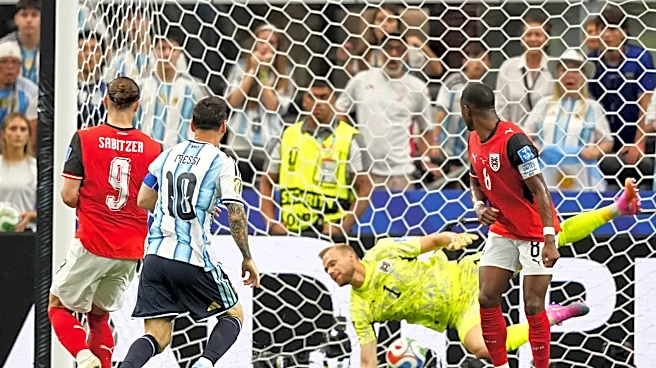
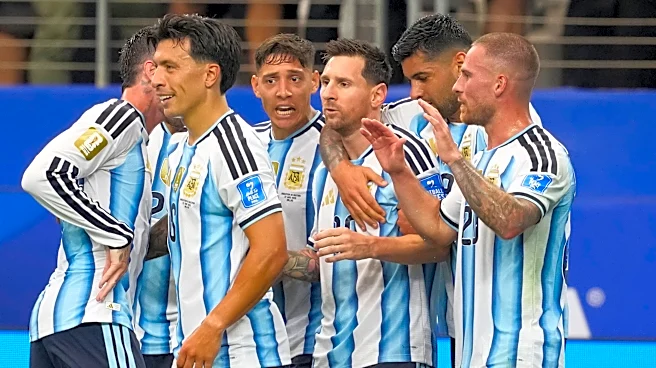
For the four weeks of the tournament, the economic and social controversies often fade into the background, at least for the global television audience. During the Cup, the stadiums fulfill their primary symbolic function: they become the postcard image of the host nation. Every goal, every dramatic upset, every sea of fans waving national flags unfolds against the backdrop of this specific architecture. The stadium is no longer just a building in a city; it’s a stage beamed to billions, a carefully curated advertisement for the country. It’s an exercise in what diplomats call “soft power”—shaping international perceptions not through force, but through culture and appeal. For that month, the stadium *is* the nation, projecting an image of competence, hospitality, and modernity.
The Aftermath: White Elephant or Lasting Legacy?
The tournament ends, the fans go home, and the world’s attention moves on. This is the moment of truth. What becomes of the massive, expensive structure? In the worst-case scenarios, it becomes a “white elephant”—a costly, high-maintenance asset with no viable purpose. The aforementioned stadium in Manaus, Brazil, has since been used for weddings and corporate events to try and cover its exorbitant upkeep costs. Others become ghostly quiet, symbols of poor planning. However, some succeed. London's Olympic Stadium was successfully converted for West Ham United football club, ensuring its long-term use. For the upcoming 2026 World Cup in North America, organizers have taken a different approach. The plan relies almost exclusively on existing, high-capacity NFL stadiums. This strategy aims to dodge the white elephant problem entirely, turning the stadiums into symbols of pragmatic, sustainable event hosting rather than speculative excess.