
The Power of Quiet Luxury
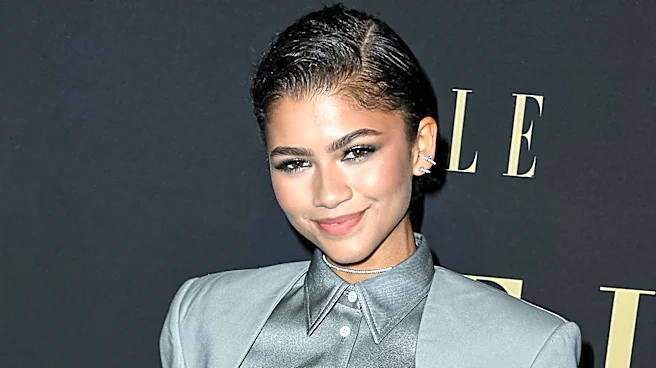
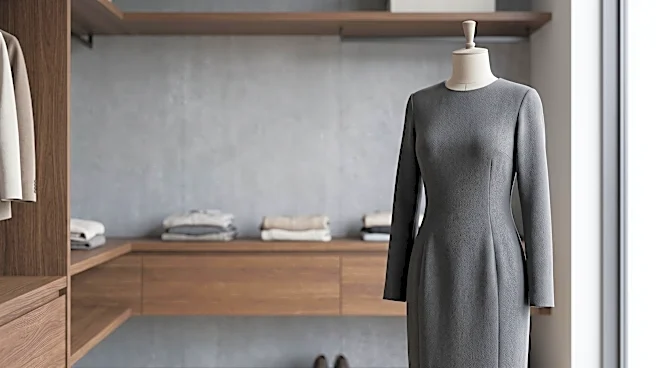
Ceretti’s daytime appearances were a study in sophisticated restraint, a clear nod to the 'quiet luxury' trend that continues to dominate Italian style. She was seen entering the Galleria Vittorio Emanuele II in a perfectly tailored, slate-grey suit from
Prada, a brand known for its cerebral, almost severe elegance. The look was devoid of logos, its power lying in the flawless cut and fluid fabric. This represents a significant shift in Italian fashion, moving away from the overt opulence of the past toward a more confident, intellectual form of dressing. By choosing such a piece, Ceretti, a brand ambassador for Bottega Veneta and Armani, championed the idea that true luxury doesn't need to shout. It’s a style that reflects a broader cultural mood: a preference for timelessness and craftsmanship over fleeting, logo-driven trends.
A Dialogue With Heritage
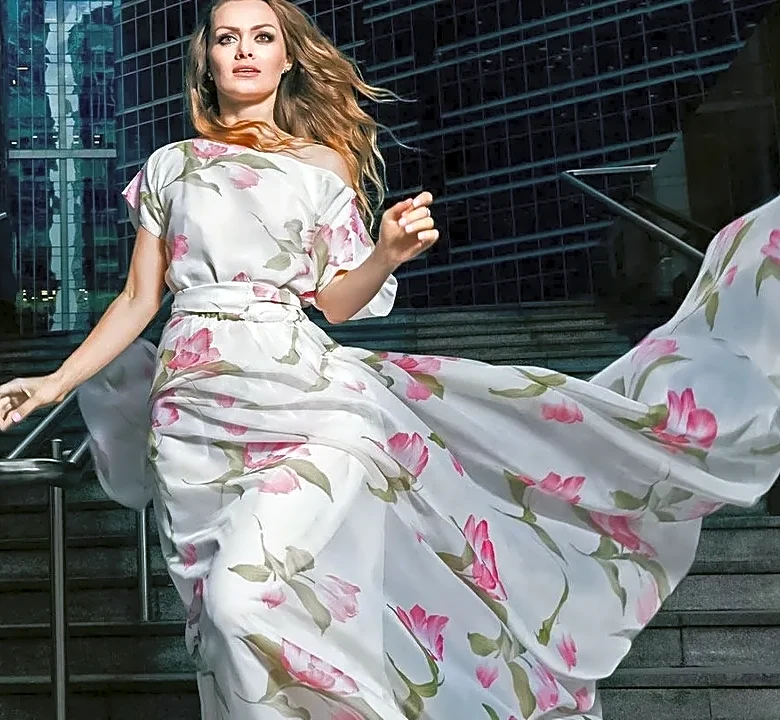
No conversation about Italian fashion is complete without acknowledging its rich history. Ceretti paid homage to this legacy with a stunning archival-inspired look for the main event. She wore a dramatic, floor-length gown from Versace, featuring the house's iconic gold Medusa hardware but reinterpreted with a softer, more fluid silhouette. This choice illustrates a key theme in modern Italian design: the re-contextualization of heritage. Designers are not simply recreating the past; they are in active dialogue with it. They pull iconic codes from the archives—a Fendi Baguette, a Gucci horsebit, a Valentino red—and infuse them with contemporary relevance. Ceretti’s look was a masterclass in this, feeling both indebted to and liberated from the brand's bombshell history, proving that legacy can be a springboard for innovation, not a beautiful cage.
The New Italian Bombshell
The stereotype of the hyper-sexualized Italian siren is one that modern designers are actively dismantling, and Ceretti's evening look was the perfect example. She attended a private dinner in a look from Gucci: a sheer, black lace dress layered over high-waisted, tailored trousers. It was sensual, yes, but in a way that felt powerful and self-possessed rather than performative. This reimagined bombshell is less about overt seduction and more about a complex, layered femininity. Recent Milan collections have been filled with this tension—sheer fabrics paired with sharp tailoring, lingerie details on masculine silhouettes, and a focus on the body that feels more artistic than objectifying. Ceretti, with her understated elegance and powerful presence, is the ideal canvas for this new chapter in Italian sensuality.
Championing the Next Generation
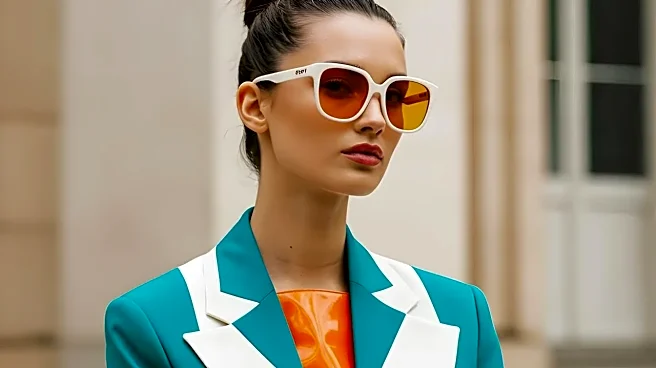
While paying respects to the titans of Milan, Ceretti also used her platform to spotlight the future of Italian fashion. For a press call, she wore a striking, sculptural blazer from a lesser-known, avant-garde Milanese label. This move was significant. While brands like Prada, Armani, and Versace define Italy's fashion identity on a global scale, the country's creative ecosystem is fueled by smaller, independent designers pushing boundaries. By integrating a piece from a rising star into her high-profile wardrobe, Ceretti signaled that modern Italian style is not just about the established houses. It’s also about nurturing new talent and embracing risk. This forward-looking perspective is crucial for the continued relevance of Milan as a fashion capital, demonstrating a commitment to evolution and creativity from the ground up.