



Trading the Knife for a Needle
First, let's draw a line in the spooky season sand. Slasher films, the titans of Halloween horror, follow a clear formula: a menacing, often masked killer stalks and murders a group of people, usually with a bladed weapon. Think 'Halloween', 'Friday the 13th',
or 'Scream'. The fear is external, immediate, and physical. It’s about survival against a tangible threat. 'Coraline' respectfully declines this invitation to a bloodbath. The film's villain, the Beldam or 'Other Mother', doesn't wield a knife; she wields a needle and thread. Her goal isn't to slash you but to sew you into a twisted, counterfeit reality. The horror isn't about a violent death, but a terrifying, permanent entrapment—a loss of self that is infinitely more chilling than a simple body count.
The Deep Creep of the Uncanny
The film's primary weapon is the 'uncanny'. This is the unsettling feeling that arises when something is familiar, but just slightly wrong. The Other World is a perfect example. It mirrors Coraline’s real life but is brighter, more exciting, and catered to her every desire. Her Other Parents are attentive and fun, the food is magnificent, and the garden is a marvel. But the illusion is fragile, and its one defining flaw is the source of the dread: the button eyes. This single detail is so viscerally wrong that it infects every perfect moment with a sense of unease. It tells us that this reality, and everyone in it, is a hollow copy. The horror comes not from a monster jumping out, but from the slow, dawning realization that the love and comfort on offer are a complete fabrication designed to lure you in.
A Masterclass in Psychological Dread
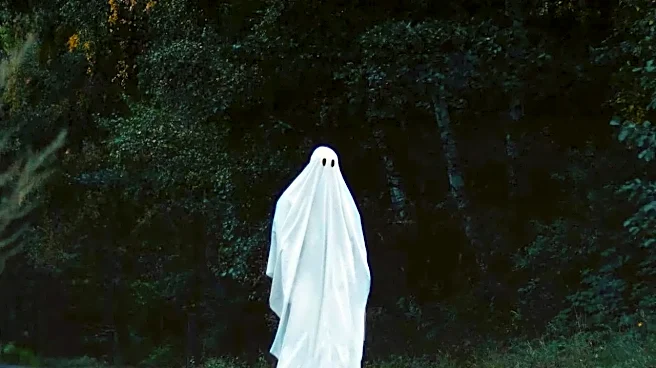
Unlike a slasher, which preys on our primal fear of being physically attacked, 'Coraline' targets our deeper psychological vulnerabilities. It taps into the childhood fear of parental neglect and the desperate wish for a perfect family, only to twist that wish into a horrifying weapon. The Beldam offers Coraline everything her real, distracted parents do not, exploiting a child's emotional needs for manipulative ends. The true terror is existential: the idea of being erased, forgotten, and having your soul trapped behind a mirror, just like the ghost children the Beldam has already consumed. Their pale, sad warnings about her are far scarier than a killer's threat because they represent a fate worse than death—an eternity of hollowed-out regret. The film makes you afraid of having your deepest wishes granted.
Body Horror Without the Blood
While it avoids gore, 'Coraline' is rife with body horror. It’s not about mutilation, but the grotesque and unnatural transformation of the familiar. As the Other World's facade crumbles, so do the bodies of its inhabitants. The Other Father becomes a slumping, pumpkin-like puppet, forced to try and harm Coraline against his will. Most terrifyingly, the Other Mother sheds her comforting maternal form, elongating into a skeletal, arachnid-like creature of sharp angles and clicking metal. This transformation from a caring mother figure into a monstrous predator is a profound violation of the natural order. It's a bloodless kind of body horror that attacks our fundamental sense of safety and trust, proving that you don’t need a single drop of blood to make an audience's skin crawl.
A Modern, Dark Fairytale
At its core, 'Coraline' functions as a classic fairytale in the grim, cautionary tradition of the Brothers Grimm. Before they were sanitized by Disney, these stories were meant to be scary. They warned children not to wander off, not to trust strangers, and that a house made of gingerbread might be a trap. 'Coraline' is a modern successor to these tales. The small door is the dark forest, the Other Mother is the witch, and the button eyes are the poisoned apple. It reminds us that some doors are meant to remain locked and that the most dangerous monsters are the ones who pretend to love us. It works as Halloween viewing because it connects to the ancient, spooky roots of storytelling, delivering a sense of wonder and terror in equal measure.