



Not Your Dad’s Golf Shirt
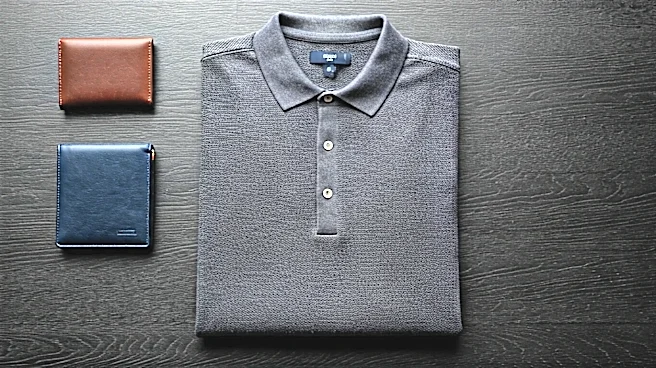
First, let’s be clear: we are not talking about the stiff, boxy piqué cotton polo you wore with your high school uniform or see on the golf course. The magic of the knit polo lies in its construction and material. Think merino wool, silk blends, or fine-gauge
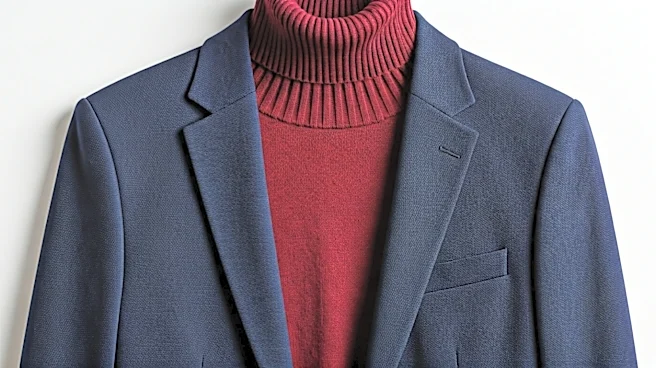
cotton, all woven into a sweater-like fabric. Unlike its athletic cousin, the knit polo has no rigid collar stand or chunky placket. Instead, it drapes. It has a soft, fluid quality that follows the lines of the body without clinging, offering a silhouette that is both relaxed and incredibly flattering. Its collar lies flat, creating a clean line that works beautifully on its own or under a jacket. This textural richness and refined drape are what elevate it from a simple shirt to a sophisticated piece of knitwear.
From the Riviera to Hollywood’s Golden Age
The knit polo’s DNA is rooted in mid-century leisure and European elegance. While the tennis court gave us the piqué polo, the knit version found its home on the sun-drenched coasts of Italy and the French Riviera. It was the uniform of the effortlessly cool, worn by men who understood that true style is about comfort and confidence, not stuffiness. Icons of the era cemented its status. Think of a young Sean Connery as James Bond, pairing a simple navy knit polo with tailored trousers in Dr. No. It was practical, masculine, and impossibly chic. Paul Newman, Steve McQueen, and Alain Delon were all proponents, wearing them in a way that felt both aspirational and approachable. The shirt signaled a man at ease—in his surroundings and in his own skin.
The ‘Talented Mr. Ripley’ Effect
If the mid-century gave the knit polo its classic credentials, the 1999 film The Talented Mr. Ripley gave it its modern soul. Jude Law’s character, Dickie Greenleaf, is a masterclass in sprezzatura—the Italian art of studied carelessness. His wardrobe, particularly his collection of diaphanous knit polos, became a cultural touchstone. Worn slightly unbuttoned, with linen trousers and a sun-faded tan, the shirts weren't just clothing; they were a lifestyle. They represented a life of leisure, wealth, and seductive charm. That film single-handedly reintroduced the knit polo to a new generation, recasting it not as a relic of the past but as the epitome of vacation-ready elegance. It’s an image that has lingered, fueling the shirt’s romantic appeal and its place in the modern style lexicon.
The Perfect Modern Hybrid
So why has the knit polo surged with such force in recent years? Because it solves a uniquely modern problem. The lines between work, home, and social life have blurred into a single, continuous feed. We need clothes that can do it all. A knit polo is polished enough to command respect on a Zoom call, comfortable enough to wear while working from the couch, and stylish enough to take you straight to dinner or drinks. Tucked into tailored wool trousers or a pair of pleated chinos, it reads as sharp and intentional. Worn untucked with well-worn jeans or shorts, it’s relaxed but still put-together. It’s the ultimate sartorial Swiss Army knife. It functions like a T-shirt in terms of comfort, but it communicates the thoughtfulness of a button-down shirt, making it the smartest, most versatile player in the new world of “smart casual.”