

The Classic Summer Romance
For decades, raffia was the undisputed queen of the beach vacation. Its story is woven into the very fabric of summer iconography. Think Jane Birkin in the French Riviera, a simple basket bag dangling from her arm, effortlessly chic. The material, derived
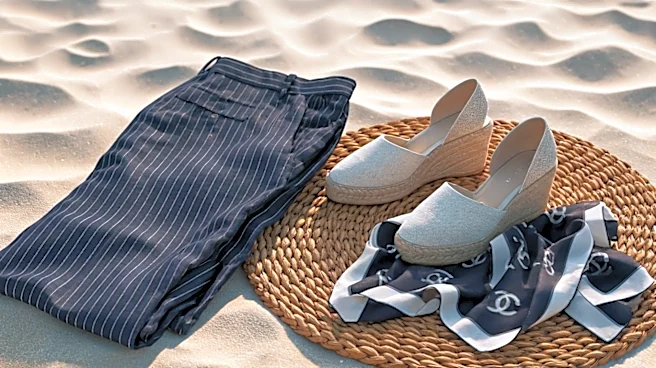
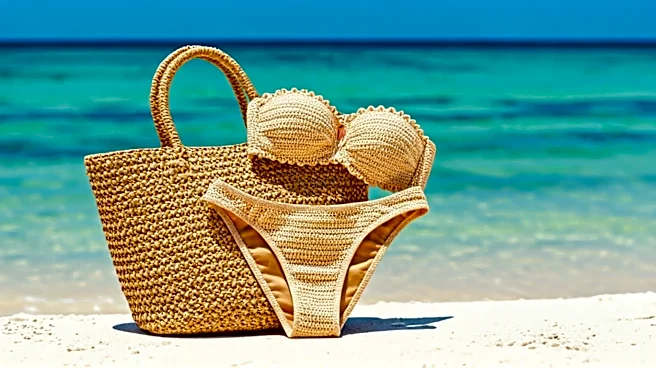
from the leaves of the raffia palm, has always signified a certain kind of laid-back luxury. It’s natural, artisanal, and slightly rustic, evoking images of sun-drenched markets and long, lazy afternoons by the sea. For a long time, its domain was strictly defined. The raffia tote was a seasonal workhorse, perfect for carrying a towel, a paperback, and a bottle of sunscreen. It was functional, beautiful in its simplicity, but rarely considered a serious, year-round fashion contender. Brands like Loewe, with its famous basket bags, elevated the craft, but the accessory remained firmly planted in the sand, synonymous with warm weather and getaways.
From Beach Bag to 'It' Bag
The first sign of raffia’s ambition was its move from the beach to the city sidewalk. In recent years, designers began reimagining the material, transforming it from a floppy, unstructured tote into a sophisticated, highly structured handbag. Suddenly, raffia wasn't just for vacation. It was for the office, for brunch, for a Tuesday afternoon in October. Brands like Prada, Saint Laurent, and Jacquemus led the charge, releasing polished, logo-adorned raffia bags that retained the material's organic charm but added a dose of high-fashion seriousness. These weren't just bags; they were statements. This evolution proved that raffia’s appeal wasn’t just about its connection to travel, but about its texture. The intricate weave provides a tactile richness that leather and canvas can’t replicate, offering a point of interest to any outfit. The 'it' bag was no longer just leather—it could be woven from palm leaves, too.
The Unexpected Leap to Swimwear
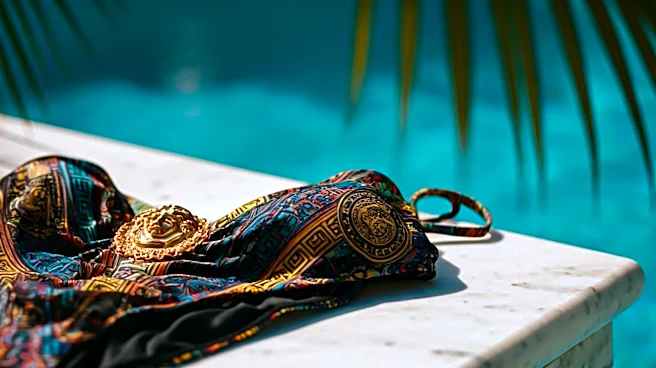
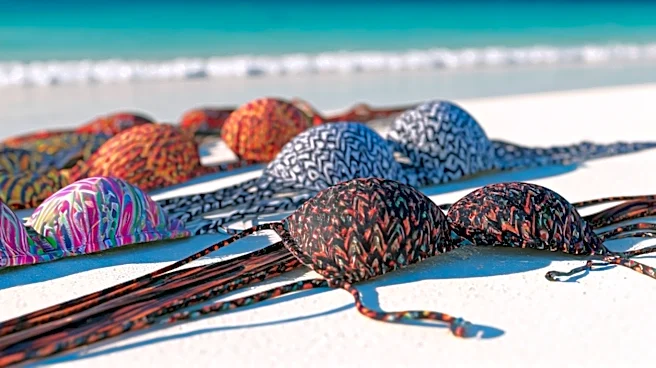
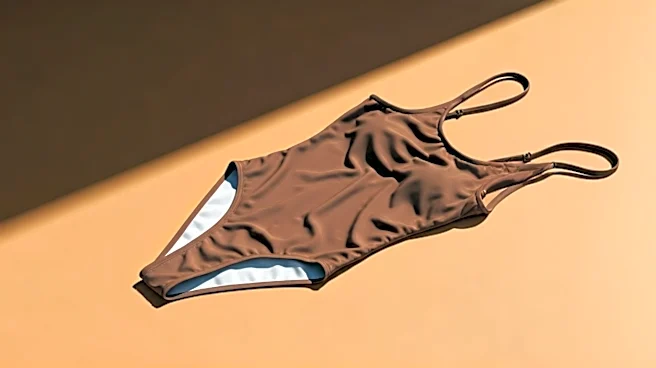
Just as we got used to seeing raffia in the boardroom, it made its most audacious move yet: into the water. This season, the trend has fully migrated to swimwear, and the results are surprisingly chic. Of course, you can't exactly make a bikini out of dried palm leaves. Instead, designers are using raffia as a key accent, a textural exclamation point on sleek, modern swimwear. Look closely and you'll see it everywhere. It appears as a circular buckle on a bikini top from Magda Butrym, a woven belt cinching the waist of a one-piece from Johanna Ortiz, or as intricate, embroidered trim along the edges of a suit. These details are often crafted from synthetic, water-resistant materials that mimic the look and feel of real raffia, ensuring they hold up in the pool or ocean. The effect is transformative, lending a touch of earthy, handcrafted elegance to a garment that is typically all about technical fabrics and streamlined silhouettes. It’s a clever way to bring the beloved 'vacation aesthetic' directly into the swimsuit itself.
Why Woven Works Everywhere
So, what’s behind raffia’s great migration? The trend speaks to a broader shift in our fashion sensibilities. In a world dominated by slick gadgets and synthetic materials, there's a growing desire for things that feel authentic, natural, and made by hand. Raffia, with its inherent connection to craft and nature, perfectly scratches that itch. It adds a human touch. Furthermore, the 'permanent vacation' mindset has become a dominant force in style. We no longer save our resort wear for a once-a-year trip; we incorporate it into our daily lives as a way to capture a feeling of escape and relaxation. A raffia-accented swimsuit or handbag is a small nod to that desire. It’s a piece of the beach you can take with you, whether you’re heading to the Amalfi Coast or just your local pool. The contrast it creates—natural texture against a minimalist outfit, or a rustic buckle on a modern bikini—is what makes it feel so fresh and visually compelling.