
The Aykroyd Dream vs. The Murray Reality
The single biggest engine pushing for a third movie was Dan Aykroyd, the heart and co-creator of the franchise. For years, he was the project's biggest cheerleader. He penned multiple scripts, including a famously ambitious one titled Ghostbusters III:
Hellbent, which would have seen the team descend into a Dante-esque version of Hell located beneath New York City. The problem? His co-star and the franchise's breakout star, Bill Murray, wanted nothing to do with it. Murray was famously displeased with how Ghostbusters II turned out, calling it a retread of the first film. He held high standards and consistently felt the scripts for a third installment weren't good enough. This wasn't just a negotiating tactic; Murray simply wasn't interested in reprising the role of Peter Venkman unless the story was exceptional. Given the special arrangement that no Ghostbusters project could proceed without the approval of the principal cast, Murray's reluctance effectively put the entire franchise on ice for years.
Passing the Torch and Passing the Time
As years turned into decades, the plan evolved. If Murray wouldn't commit, perhaps the franchise could move forward by having the original team pass the proton packs to a new generation. This became the core concept of many script versions throughout the 2000s, with writers from The Office even taking a crack at it. Ivan Reitman, director of the first two films, remained involved and confirmed plans for a sequel around 2010, with a potential release date slated for Christmas 2012. There was a flurry of activity and optimistic statements from Aykroyd and Harold Ramis, but the project could never clear the final hurdle: a firm commitment from Bill Murray. The constant back-and-forth created a cycle of development hell, where ideas were floated and scripts were written, but without the full original cast onboard, Sony Pictures was hesitant to greenlight such an expensive project.
A Tragic Turning Point
The seemingly endless limbo took a tragic and definitive turn in February 2014 with the death of Harold Ramis, who co-wrote and starred as Egon Spengler. Ramis was the intellectual and spiritual core of the Ghostbusters, both on-screen and off. Ernie Hudson, who played Winston Zeddemore, later remarked that Ramis was "the glue" of the franchise and that there couldn't be a Ghostbusters without him. His passing effectively ended any possibility of a full reunion of the original four Ghostbusters. While the studio initially claimed the project would move forward with rewrites to account for his absence, the momentum for a direct sequel with the old guard was gone. Ramis's death forced a fundamental rethink of the franchise's future. The story of the original team felt incomplete without him.
The Reboot and The Return
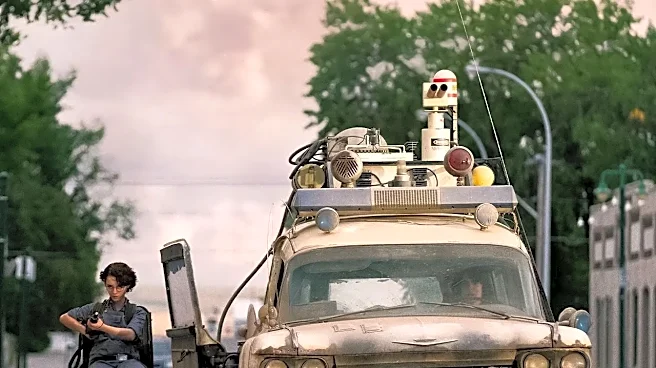
With the original sequel path now emotionally and logistically impossible, Sony opted for a complete reboot. In 2015, the studio created Ghost Corps, a production company dedicated to expanding the universe, and moved forward with Paul Feig's 2016 all-female Ghostbusters. The film, however, became a cultural flashpoint and, despite its merits, did not meet the studio's financial expectations, stalling the franchise once again. It was Jason Reitman, son of original director Ivan Reitman, who finally cracked the code. He envisioned a story that was a direct sequel to the first two films, but one that focused on a new generation connected to the past. Crucially, his idea centered on the family of Egon Spengler, allowing the story to respectfully incorporate the legacy of Harold Ramis. This approach, which became Ghostbusters: Afterlife (2021), successfully bypassed the Murray roadblock and honored Ramis's memory, finally giving fans the long-awaited continuation of the original story.