

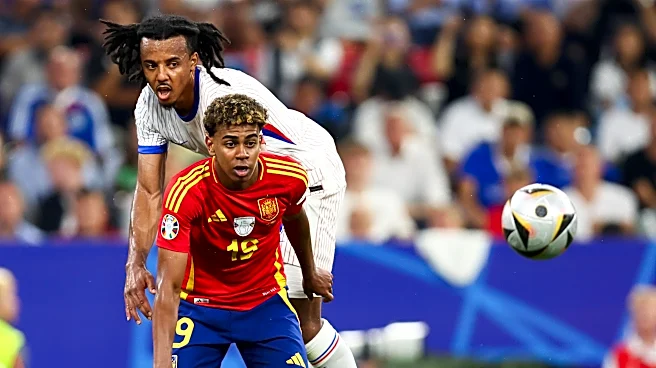


Country vs. Club
The most fundamental difference is one of identity. In the U.S., professional sports loyalty is overwhelmingly local. You root for your city’s team—a franchise that, while beloved, is ultimately a private business. The World Cup, however, is a battle
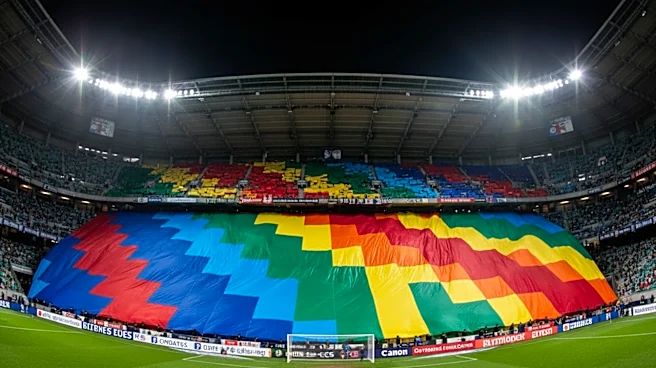
of nations. The colors, flags, and anthems represent an entire country's pride and history. This transforms fandom from a regional allegiance into a deeply personal expression of national identity, uniting millions who share a common heritage. When your country scores a goal, it feels like a collective victory for everyone, everywhere, at the same time.
The Sound of the Game
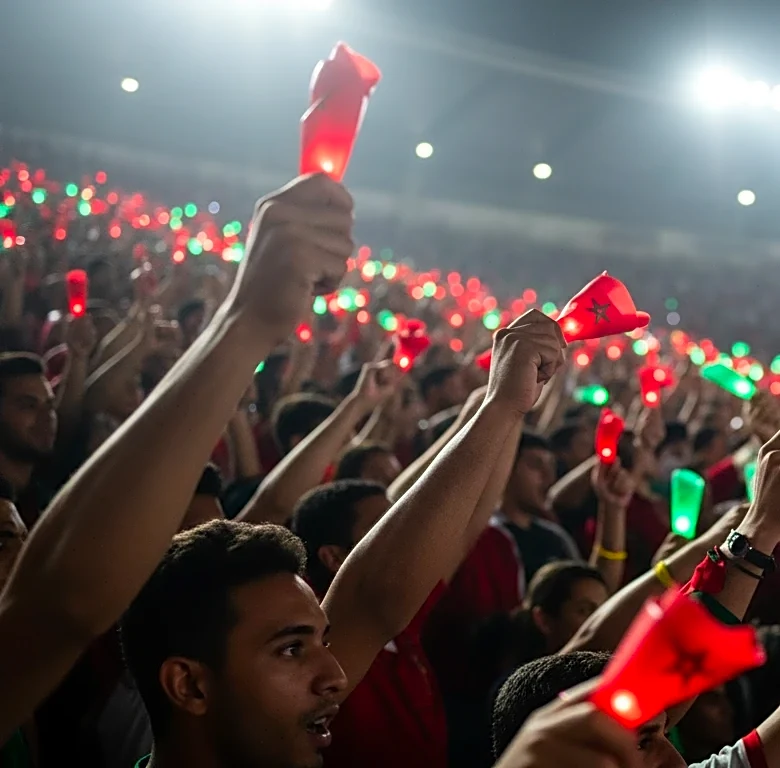
Listen to the crowd at a World Cup match, and you’ll hear a constant, organic soundtrack of songs, chants, and drums that rarely stops. These traditions, some dating back over a century, are passed down through generations of supporters. In contrast, American stadium atmospheres are often more curated. The energy is real, but it’s guided by jumbotron prompts, organ music, and specific calls to action like “DE-FENSE!” chants. While American fans are loud and passionate, the World Cup’s sound is a self-sustaining force, a 90-minute cultural performance created entirely by the fans themselves.
The Agony of Real Stakes
American pro sports leagues are closed systems. No matter how poorly a team performs, its spot in the top league is secure. This financial stability comes at the cost of ultimate jeopardy. In the world of soccer, most leagues feature promotion and relegation. A bad season can mean being demoted to a lower division, a financially and emotionally devastating event. This system ensures that every game matters, from the fight for the championship to the desperate battle to avoid the drop. The raw relief of escaping relegation on the final day, or the sheer joy of promotion, creates an emotional spectrum that simply doesn't exist when the worst-case scenario is a high draft pick.
The Global Gathering
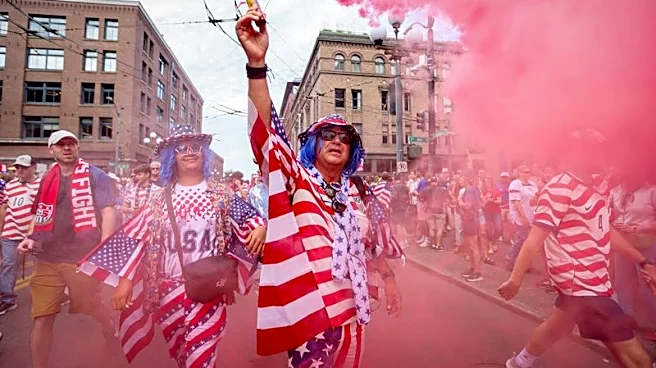
The pre-game ritual for an NFL game is often the tailgate, a uniquely American party in a parking lot. World Cup fandom is defined by the march. In host cities, tens of thousands of fans from a single nation will parade through the streets to the stadium, a vibrant, moving river of color and song. It’s not just a pre-game; it's a public takeover. The World Cup itself becomes a traveling global festival, with millions of fans journeying to the host nation, turning city squares into international meeting points where rival fans trade scarves and celebrate together. It’s a cultural pilgrimage built around the sport.
A Different Rhythm
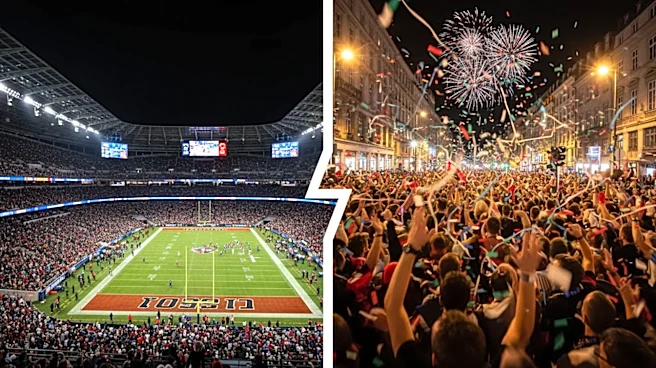
Soccer unfolds in two continuous 45-minute halves, a flowing narrative with only one major interruption. This structure shapes how fans experience the tension. American sports, particularly football, are built for a stop-and-start rhythm, with frequent breaks in play for commercials, timeouts, and strategy resets. This creates a different kind of drama—one of explosive moments punctuated by analysis and rest. The uninterrupted nature of a soccer match allows for a slow-building tension that can culminate in a sudden release of emotion, a rhythm that requires a different kind of sustained attention from the audience, free from the constant commercial cadence.