



The IMAX Promise: Spectacle and Scale
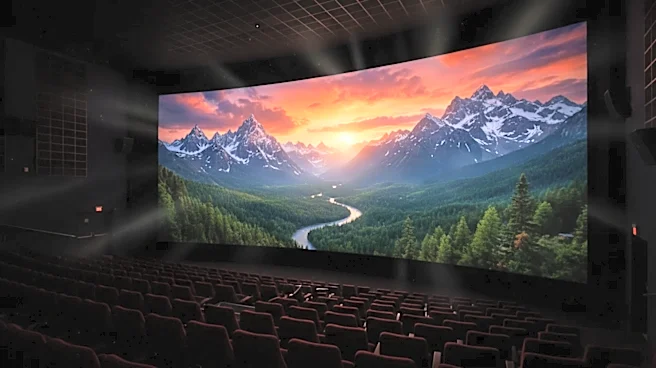
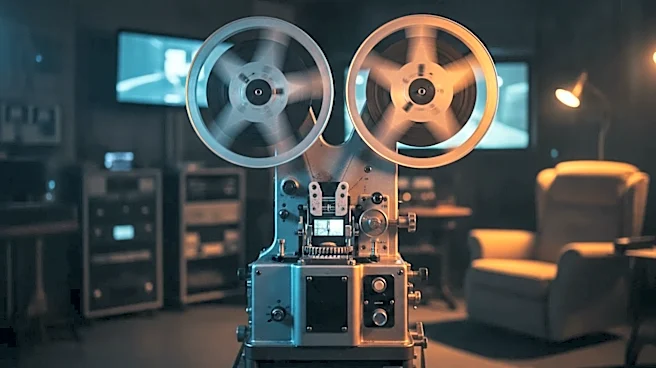
For decades, the promise of IMAX has been simple: bigness. It’s the format directors use to capture the full grandeur of a Giza pyramid, the dizzying height of a skyscraper, or the infinite blackness of space. The theory was always that a larger, clearer
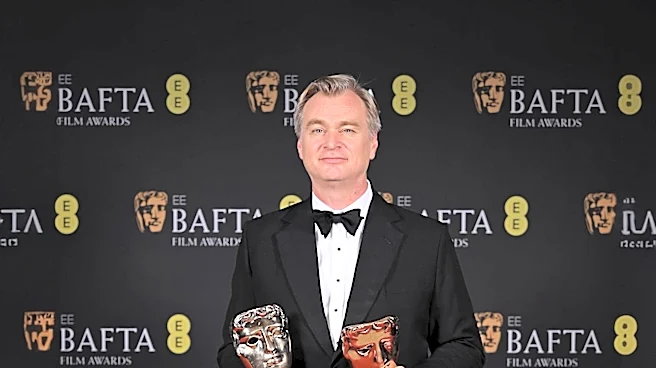
image creates a more immersive experience. This is why Christopher Nolan, a frequent collaborator with Hoytema, has long championed the format, calling it the “gold standard” of cinema. Traditionally, the immersive power of IMAX was reserved for spectacle—making audiences feel like they were flying over a city or standing on the edge of a cliff. The human element, particularly intimate dialogue or close-ups, was often shot on more manageable cameras, as the noisy and cumbersome IMAX rigs were seen as ill-suited for capturing quiet vulnerability.
The Hoytema Subversion: Faces as Landscapes
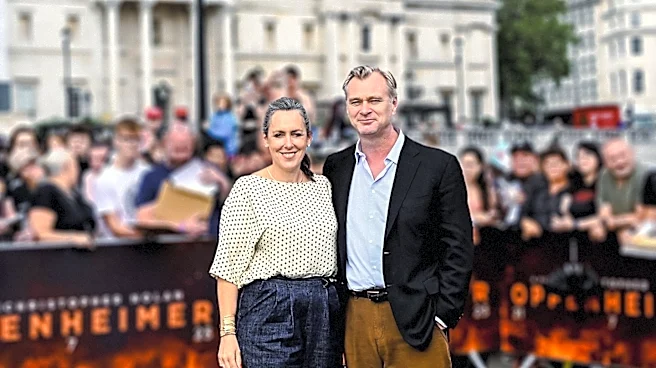
Hoyte van Hoytema has systematically dismantled that conventional wisdom. His core philosophy treats the human face as a subject worthy of the format’s immense power. In an interview, he explicitly stated his obsession: "I want you to experience that space the same way you experience a landscape... I'm not so much interested in the expanse of nature if I don't have the beautiful face to counteract it." This approach was front and center in Oppenheimer. Instead of just using IMAX for the Trinity Test explosion, Hoytema and Nolan used it for agonizingly tight close-ups of Cillian Murphy. They even had a special wide-angle lens engineered to get closer to actors' faces, a lens they dubbed the 'paranoia lens.' By doing so, Hoytema argues that the most epic landscape is often a psychological one. The furrows of a brow, the flicker in an eye—these become mountain ranges and storm clouds on the massive screen, turning a character's internal state into a visceral, shared experience.
Charting the Inner Cosmos
This isn't a one-film gimmick; it's the evolution of a distinct visual signature. Across films like Interstellar, Dunkirk, and Nope, Hoytema has refined this technique of blending the epic with the intimate. In Interstellar, he used the format’s shallow depth of field to create stunning portraits, rendering faces with the clarity of large-format still photography. In Dunkirk, he had custom periscope lenses built to fit bulky IMAX cameras inside the tight cockpits of Spitfire planes, putting the audience directly into the pilot's subjective experience. It's a consistent philosophy: use the format that provides the most clarity and detail to get inside a character's head. Large format photography, in his view, isn't just for showing you a world; it’s for placing you directly into the reality and psychology of the people inhabiting it.
A New Blueprint for Modern Myths
By applying the cinematic language of awe and spectacle to human emotion, Hoytema is effectively redefining the modern mythological landscape. Myths, in cinematic terms, are not just stories of gods and monsters; they are the symbolic narratives we use to understand our world, from superhero sagas to the heroic journeys of historical figures. Christopher Nolan's films often treat their subjects—whether it’s Batman, astronauts, or physicists—as figures of contemporary myth. Hoytema’s cinematography provides the visual grammar for this. He elevates Oppenheimer’s moral conflict to the scale of a cosmic event by framing it with the same tool used to capture galaxies. The “mythological landscape” is no longer an external, fantastical world. It is the internal, psychological space of the hero, rendered with unprecedented size and clarity. It proves that the most powerful stories aren't always about saving the world, but about the struggle within the person who might.