



1. The Specific Shade of Cream
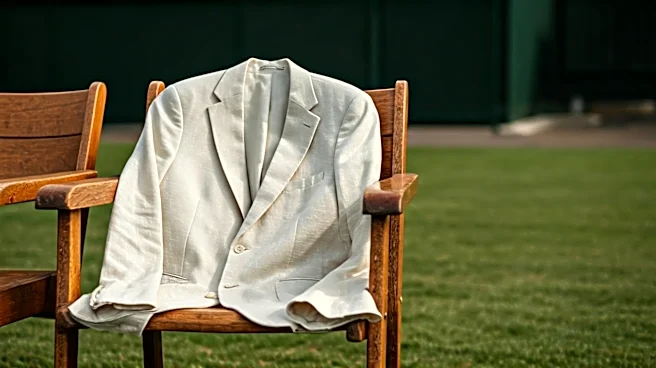
The first thing a discerning eye notices is the color. It’s not stark white, which can look jarring and unflattering, nor is it a deep, yellowy beige. The ideal shade is a soft, sophisticated off-white or ivory. This specific hue complements a summer
tan, pairs easily with everything from navy chinos to pastel dresses, and telegraphs a relaxed, old-money elegance that feels right at home at the All England Club. It should look organic and natural, not optically brightened.
2. The Fabric's Weave and Weight
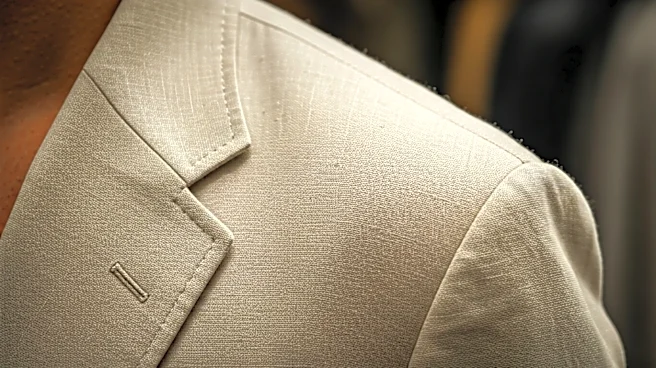
Linen’s charm is its texture, but quality varies immensely. Editors look for a fabric with a visible but refined weave—not too slubby or coarse, which can look messy, but with enough character to announce itself as linen. The weight is also critical. A premium blazer uses a fabric that is substantial enough to drape beautifully but light enough to be breathable. European flax is often the benchmark for quality, creating a textile that is both durable and airy, perfect for a long day that might start cool and end in warm afternoon sun.
3. The Shoulder Construction
A key detail that separates a modern, stylish blazer from a dated one is the shoulder. For a linen blazer, a soft, natural shoulder is paramount. This unstructured or lightly padded construction allows the jacket to follow the wearer's own shape, creating a relaxed yet polished silhouette. Stiff, padded shoulders belong on a corporate boardroom suit, not a breezy summer jacket. This detail ensures the blazer looks effortless, not like you've come straight from the office.
4. The Quality of the Buttons
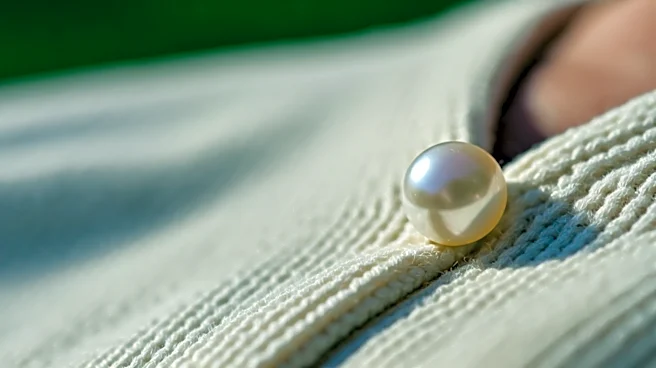
Cheap plastic buttons can ruin an otherwise beautiful jacket. A high-quality linen blazer will feature buttons made from natural materials. Mother-of-pearl is a classic choice, offering a subtle, iridescent finish that complements the cream fabric. Horn or corozo buttons in a light, contrasting color are also excellent options. This small detail makes a significant impact, signaling that the garment was thoughtfully designed and constructed without cutting corners.
5. An Unlined or Half-Lined Body
The entire point of a linen blazer is to stay cool, and a full synthetic lining defeats the purpose by trapping heat. The most sophisticated summer blazers are either completely unlined or half-lined. An unlined construction maximizes breathability, allowing air to pass directly through the linen weave. A half-lined jacket, where lining is placed only across the back of the shoulders and sleeves, provides a bit of structure and makes the blazer easier to slip on and off without sacrificing too much comfort.
6. The Fit and the 'Perfect Wrinkle'
Linen wrinkles; that’s a feature, not a bug. However, there’s a difference between a lived-in rumple and a messy, ill-fitting garment. An editor notices how the blazer fits. It should be tailored enough to provide a clean silhouette but have enough room for comfortable movement. The “perfect wrinkle” is the gentle creasing that occurs naturally with wear, adding to the blazer’s relaxed charm. A poorly fitting jacket will bunch and pull in all the wrong places, looking sloppy rather than effortlessly chic.
7. The Lapel Style and Width
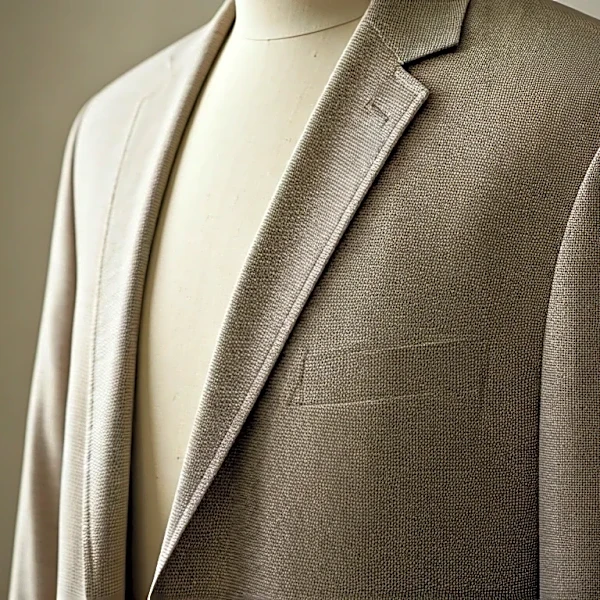
Lapels frame the face and set the tone for the entire jacket. For a classic Wimbledon-appropriate blazer, a moderately sized notch lapel is the timeless choice. It's versatile and universally flattering. While peak lapels can be stylish, they sometimes feel a bit too formal or flashy for a relaxed linen blazer. The width should be balanced—not too skinny, which can look trendy and dated, and not too wide, which can feel old-fashioned. The lapel should lie flat and have a gentle roll, a sign of quality tailoring.
8. The Pocket Style
Pockets might seem like a minor detail, but they significantly influence the blazer’s formality. For a cream linen blazer, patch pockets are often the best choice. These pockets are sewn onto the outside of the jacket, enhancing its casual, sporty feel. Flap pockets are also acceptable but can sometimes read as more formal or traditional. A welt pocket on the chest is standard and provides a perfect spot for a subtly patterned pocket square, another hallmark of thoughtful Wimbledon style.
9. The Single Back Vent
Finally, turn to the back of the blazer. A single vent in the center is the most traditional and appropriate choice for a sport coat like a linen blazer. Double vents, while common on more formal suits, can sometimes feel a bit too fussy for the relaxed nature of linen. The single vent provides ease of movement and maintains a clean line, ensuring the jacket looks just as good from the back as it does from the front as you navigate the crowds between Centre Court and The Hill.