




The Ultimate Audience Test
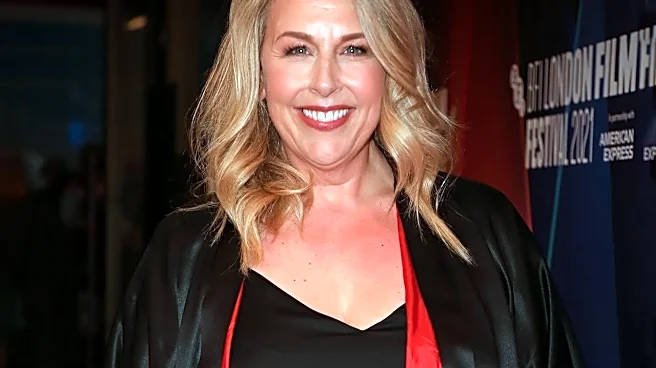
Unlike the industry-heavy focus of Cannes or the market frenzy of Toronto, the BFI London Film Festival (LFF) is famously a festival for the public. With screenings spread across the city and a significant portion of tickets sold to regular moviegoers,
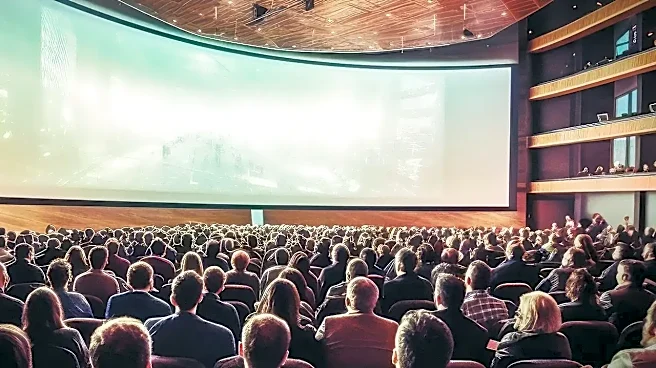
it offers filmmakers a priceless opportunity: a live, unfiltered reaction from a savvy, cinema-loving audience. This isn't a jury of critics; it's a packed house of the very people a film needs to win over. A warm reception or a standing ovation in London can generate the kind of authentic, grassroots buzz that marketing campaigns can only dream of, providing proof of concept that a film connects with real people.
A Prime Slot in the Awards Calendar
Timing, as they say, is everything. LFF's October slot is a strategic sweet spot in the long and grueling awards season. Films that debuted at earlier festivals like Venice or Telluride can use a London premiere to regain momentum and stay in the conversation. For others, it’s the perfect launchpad. It’s close enough to the BAFTAs and Oscars for a film to make a lasting impression on voters, but just far enough from the early-fall noise to allow a movie to be judged on its own merits. This positioning makes it a crucial stop for any film with serious awards ambitions, serving as a vital bridge to the nomination period.
A Gateway to the UK and Europe
For American and international filmmakers, London is more than just another festival city; it's a cultural and commercial gateway. A successful screening at LFF can significantly boost a film's profile in the lucrative UK market, which has its own distinct tastes and a powerful awards body in BAFTA. The festival is backed by the British Film Institute (BFI), a major cultural institution dedicated to audience development across the United Kingdom. This means a film isn't just playing to a London crowd, but is part of a nationwide event, with partner venues across the country extending its reach and impact.
A Curated Stamp of Approval
Born as a 'festival of festivals', LFF's tradition was to cherry-pick the best films from other major European events. While it now hosts numerous world premieres, that spirit of careful curation remains. Being selected for LFF means a film is considered among the year's most distinctive and inventive. For emerging directors especially, winning the Sutherland Award for a first feature is a major career milestone. This curated environment means filmmakers aren't just competing for attention in an overwhelmingly crowded field; they are part of a thoughtful program designed to help films find their champions, whether that’s a distributor, a critic, or an audience that will follow them for years to come.
More Than Just a Screening
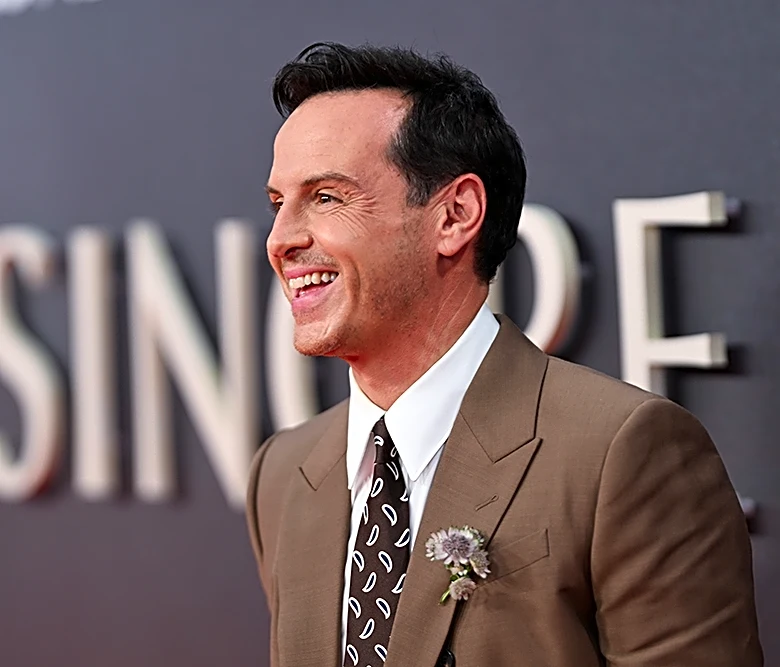
The festival is designed to foster conversation. It’s known for its extensive program of 'Screen Talks' and Q&A sessions featuring top-tier talent, from directors like Danny Boyle and Sofia Coppola to actors like Andrew Scott and John Malkovich. This provides a platform for filmmakers to deeply engage with audiences and press, offering context for their work and telling the stories behind the story. For many creators, this chance to connect, explain their vision, and receive direct feedback is as valuable as the premiere itself, reinforcing LFF's reputation as a festival that champions not just films, but the art of filmmaking.