


Prioritize Fit, Fabric, and Quality
The foundation of Parisian style isn't a brand or a specific garment; it's the meticulous attention to quality and fit. [4] Before you even consider the style of a piece, consider its construction. Parisian men invest in clothing, prioritizing higher
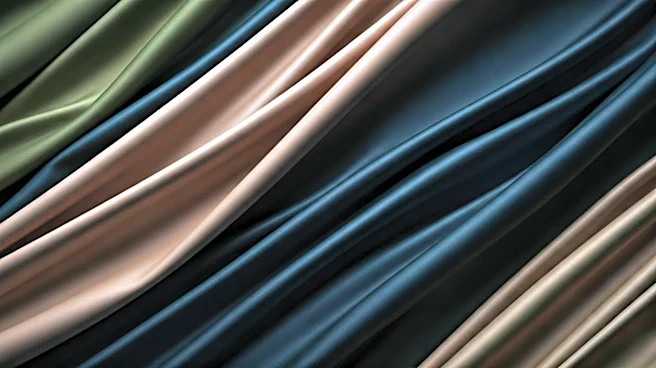
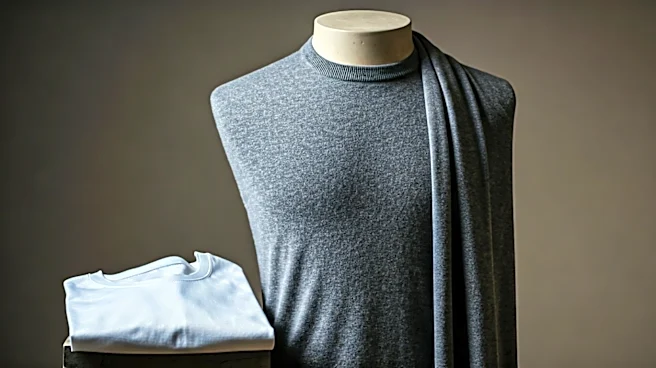
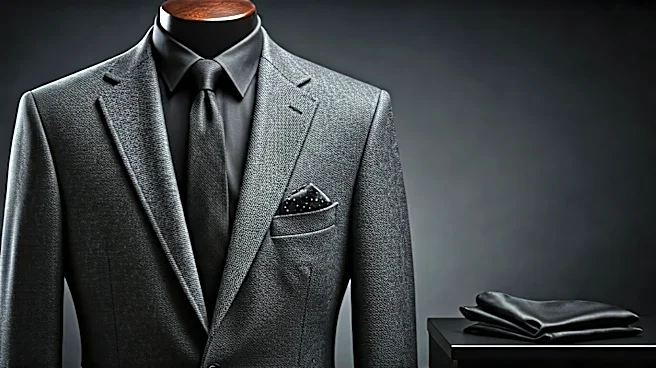
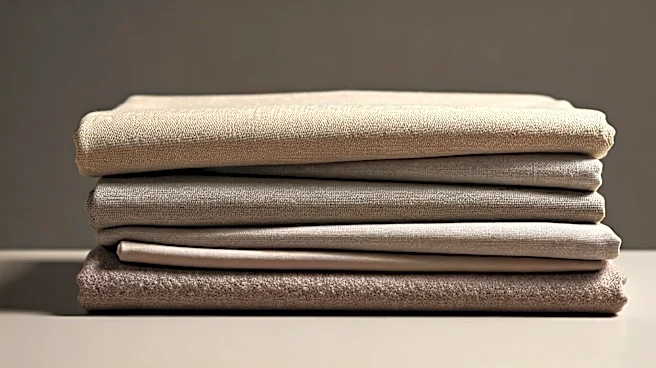
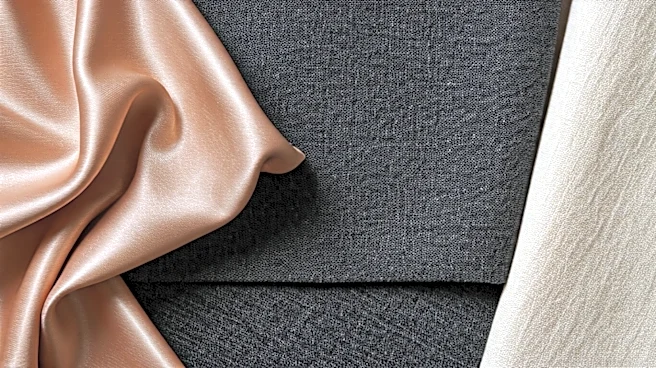
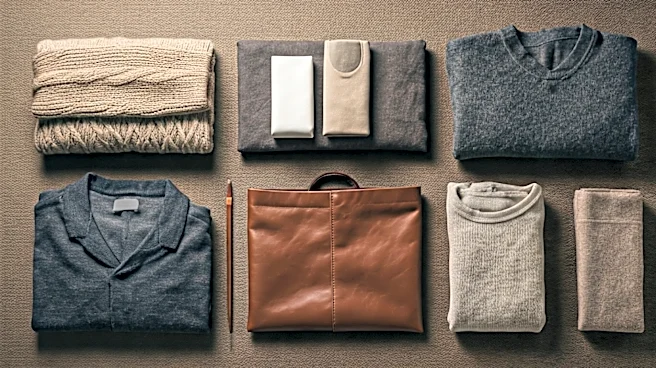
quality over sheer quantity. [14, 16] This means focusing on natural fabrics like wool, cashmere, linen, and soft cottons that feel as good as they look. [3] More importantly, tailoring is essential. Clothes should flatter your body, not hang off it or constrict it. [4] Whether it’s a blazer, trousers, or even a simple t-shirt, a perfect fit makes an inexpensive piece look luxurious and an expensive one worth its price. Don't be afraid to find a good tailor; it's the most crucial investment you can make. [14] This approach ensures your wardrobe is durable, comfortable, and timeless. [4, 18]
Build Around a Neutral Palette
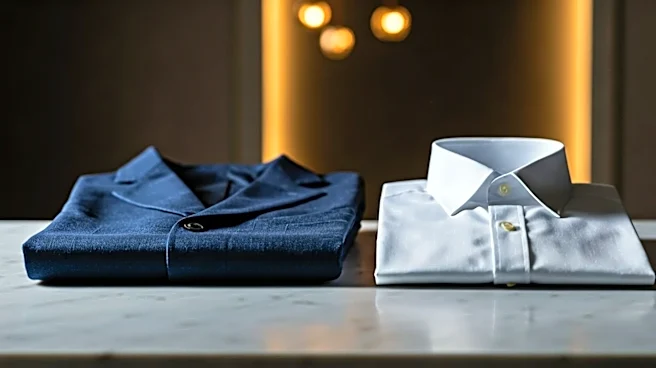
Walk the streets of Le Marais, and you won't see an explosion of bright, flashy colors. Parisian menswear is dominated by a restrained, versatile color palette: navy, charcoal, grey, beige, white, and black. [9, 14] This isn't about being boring; it's about being coherent and adaptable. [6] A neutral wardrobe allows for endless combinations, making it easy to get dressed. [11] A single, well-chosen accent color, perhaps in a scarf or a pair of socks, can make a statement precisely because the rest of the outfit is so understated. [6] Avoid shouty logos and oversized branding at all costs; the Parisian ideal is that luxury should be perceived in the cut and fabric, not announced on your chest. [6, 10]
Invest in Timeless Outerwear and Footwear
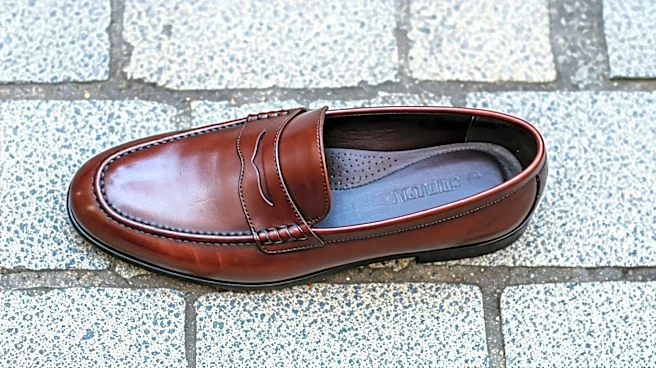
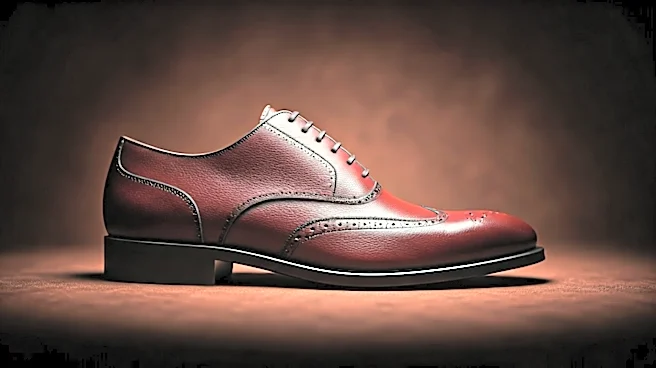
If there are two areas where you should invest, it's in what covers you and what you walk in. A classic trench coat, a tailored wool overcoat, a sharp blazer, or a quality leather jacket can anchor your entire wardrobe. [2, 12] These pieces are worn daily and are the first thing people notice. A single, perfect coat can elevate jeans and a t-shirt into a deliberate, stylish outfit. Similarly, footwear is critical. Parisians walk a lot, so their shoes must be both comfortable and stylish. [13] Ditch the athletic sneakers (unless they are clean, minimalist leather ones) and opt for classic leather loafers, desert boots, or polished brogues. [5, 13] These items might have a higher up-front cost, but their longevity and versatility deliver value for years. [18]
Master the Art of “Sprezzatura”
Here’s the secret ingredient: nonchalance. Parisian style is defined by a certain carelessness, an effortless look that suggests you just threw something on and it happened to work perfectly. [3] This attitude, known in Italy as *sprezzatura*, is about looking natural, not perfect. [21] It’s the slightly rumpled linen shirt, the sleeves of a jacket pushed up, or a scarf tied just so. It’s the art of looking like you didn't try too hard, even if you did. [10, 21] This is the opposite of “trend theater,” which often involves wearing a head-to-toe runway look that feels more like a costume. To achieve this, mix high with low: a tailored blazer with worn-in jeans, or a cashmere sweater with a simple watch. [10] The person should always come before the garment. [6]
Accessorize with Restraint
While clothing is kept simple, accessories are where you can inject personality—but with restraint. [4] Think of a single, thoughtful detail rather than an armful of bracelets or a flashy watch. [3, 10] A beautiful silk, wool, or cashmere scarf is a quintessential Parisian accessory, adding a touch of elegance, color, or texture. [13] A classic watch, a quality leather belt, or a pair of timeless sunglasses can complete a look without overpowering it. [3, 4] The rule is to remove one accessory before you leave the house. The goal is to enhance, not distract. Each item should feel considered but not ostentatious. [12]