





The Thanksgiving dinner table is a quintessential American stage for both unity and drama. Few films explore its potential for rupture quite like Barry Levinson’s ‘Avalon’ and Ang Lee’s ‘The Ice Storm’, which use the holiday to dissect the family unit.
Avalon and the Fraying American Dream
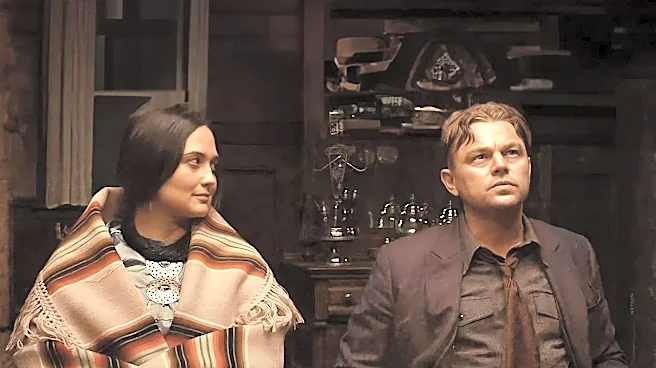
In Barry Levinson’s semi-autobiographical 1990 film ‘Avalon’, Thanksgiving is the setting for a slow-motion heartbreak. The movie chronicles the Krichinsky family, Jewish immigrants who settle in Baltimore and build a life together. Their early Thanksgivings are loud, bustling affairs, representing the warmth of a large, interconnected clan. But as the younger generations achieve financial success, they embrace a new version of the American dream: moving to the suburbs. This geographic separation becomes an emotional one. The film’s pivotal scene shows the family starting the Thanksgiving meal before the patriarch, Gabriel, arrives. His famous line, ‘You cut the turkey without me?’, is about more than just the bird. It’s a cry against the erosion of tradition and respect. The act symbolizes the fracturing of the tight-knit immigrant family, where waiting for everyone was once a sacred, unspoken rule. The rupture in ‘Avalon’ is a hot one—a loud, passionate argument that creates a rift between brothers that never fully heals, mirroring the painful assimilation process where old world values clash with new American individualism.
The Ice Storm and the Suburban Void
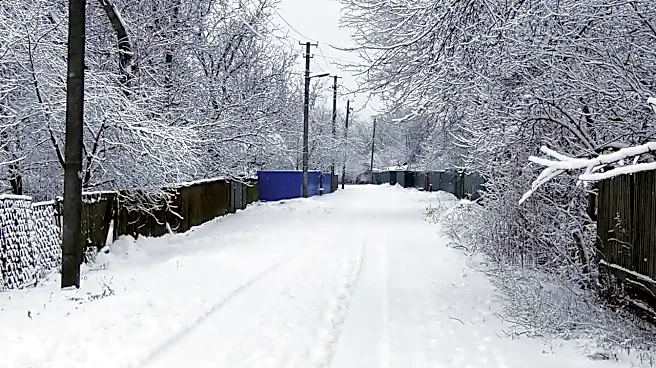
If ‘Avalon’s’ Thanksgiving is about a family breaking apart, Ang Lee’s ‘The Ice Storm’ (1997) is about a family that was never truly together. Set in affluent, suburban Connecticut over Thanksgiving weekend in 1973, the film portrays two families, the Hoods and the Carvers, steeped in a quiet, middle-class desperation. Their holiday is a performance of normalcy, devoid of genuine warmth. The adults are numb, navigating affairs and unspoken resentments, while their children are left to explore sexuality and identity in an emotional vacuum. The Thanksgiving dinner scene is notable for its oppressive silence and passive-aggression. Communication has completely broken down; characters talk past each other or retreat into their own worlds. The titular ice storm that descends upon the town is a perfect metaphor for the characters' internal state: frozen, brittle, and unable to connect. Unlike the passionate outburst in ‘Avalon’, the rupture here is cold and silent. It’s the chilling realization that behind the facade of suburban success, there is nothing holding these people together. The family unit isn’t just cracking; it’s hollow.
A Tale of Two American Ruptures
Both films use the quintessential American holiday to expose the cracks in the American family, but they diagnose different illnesses. ‘Avalon’ laments the loss of something vital: the intergenerational bonds and shared history of an immigrant family sacrificed for suburban comfort and assimilation. The conflict is born from love and a sense of betrayal. The family is moving forward, but it's leaving its soul behind. The characters are passionate because they remember a time when they were unified, and they mourn its passing. In contrast, ‘The Ice Storm’ suggests there was nothing there to begin with. The malaise of the 1970s—the disillusionment following the 1960s, the Watergate scandal, the so-called ‘Me’ Decade—has seeped into the home. The characters aren’t mourning a lost connection; they are adrift in a world where connection seems impossible. The rupture isn’t an event; it's a permanent condition. ‘Avalon’ is a tragedy of disconnection, while ‘The Ice Storm’ is a horror story of absolute detachment.