


The Myth: A Star-Studded Rap Hall of Fame
For many, VH1's Hip Hop Honors, which ran for most of the 2000s before a brief return, exists in memory as television’s premiere event for giving rappers their flowers. The show’s most viral moments often centered on lyrical titans. We remember the epic
medleys for artists like LL Cool J, Public Enemy, and A Tribe Called Quest. We recall seeing today’s stars pay homage to the MCs who paved their way, solidifying the show's reputation as a rap-centric hall of fame. This perception isn't wrong—honoring influential rappers was a core function of the event. But it’s an incomplete picture. The show’s mission was always wider, aiming to document and celebrate an entire ecosystem, not just the figures who held the microphone.
The Reality: It Was About the Elements from Day One
From its very first ceremony in 2004, Hip Hop Honors was conceived to recognize the culture's foundational pillars. The inaugural class of honorees tells the whole story. Alongside rap pioneers like Run-DMC, Public Enemy, and 2Pac were crucial architects of the entire movement. This included DJ Kool Herc, the Jamaican-American DJ widely credited with originating hip-hop music in the Bronx. The show made a deliberate statement by placing the progenitors of the sound on the same pedestal as its most famous lyrical practitioners. It was an argument, made on national television, that hip-hop was a multi-disciplinary art form, and the MC was just one, albeit crucial, part of a larger whole.
The Reality: Graffiti and B-Boy Culture Got Equal Shine
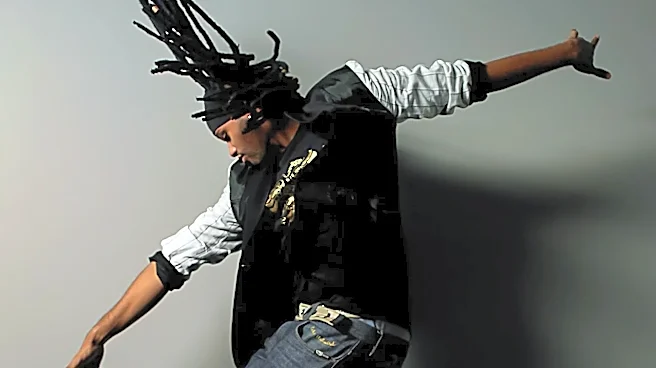
Perhaps the most compelling evidence against the "rappers only" myth is how the show celebrated the non-musical elements of hip-hop. In that first year, the event honored "The Graffiti Movement" as a whole, and breakdancing legends the Rock Steady Crew received their own tribute. This wasn't a one-off gesture. The influential 1983 film Wild Style, which captured the intersection of graffiti, breakdancing, and rapping in early-'80s New York, was honored in 2007, with director Charlie Ahearn and graffiti artist Fab 5 Freddy recognized for its cultural impact. By dedicating segments to the visual artists and dancers who defined hip-hop's aesthetic and energy, VH1 was actively teaching a mainstream audience that the culture was something you see and feel, not just something you hear.
The Reality: It Celebrated Moguls, Producers, and Movements
The show also expanded its definition of a "contributor" beyond the four elements. It recognized the entrepreneurs and producers who shaped the sound and business of the industry. In 2006, Def Jam co-founder Russell Simmons was honored for his monumental role in commercializing hip-hop and turning it into a global force. Later ceremonies paid tribute to production wizards and the sounds they created, like Teddy Riley and Andre Harrell for the invention of New Jack Swing. The show also honored Jermaine Dupri, Master P, and the production team Organized Noize, figures whose work defined the sound of Southern hip-hop. When the show returned in 2016 after a hiatus, it dedicated the entire event to the women of hip-hop, honoring Queen Latifah, Missy Elliott, Salt-N-Pepa, and Lil' Kim in a special titled "All Hail the Queens," a powerful statement on gender and influence in the genre.