





The Empty Calories of Buzz
Social media runs on a relentless cycle of novelty. A show can dominate the digital conversation for a weekend, sparking memes, analysis, and endless hot takes, only to be completely forgotten by the following week. For a cable network, investing heavily
in creating this kind of temporary lightning in a bottle is a high-risk, often low-reward endeavor. While social media can provide metrics like impressions and engagement, these don't always translate into sustainable viewership or revenue. The audience that rallies around a viral moment is often fickle, moving on to the next big thing without developing loyalty to the network itself. In contrast to the long-term brand building associated with traditional TV, social buzz is often a sugar rush—intense, immediate, but ultimately lacking in substance.
The Quiet Power of Predictability
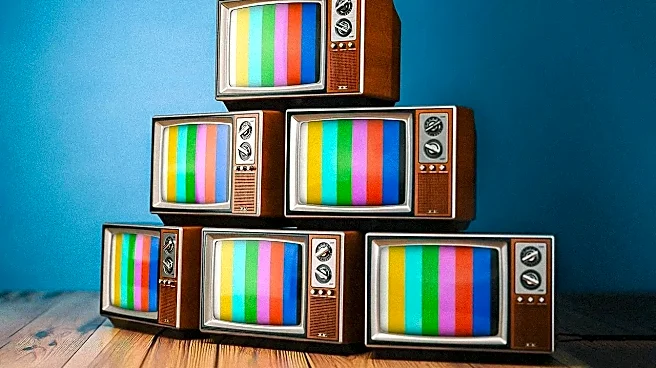
Now, consider the humble rerun. A procedural drama from the 2000s or a beloved 1990s sitcom may not set social media alight, but they represent a powerful financial asset. The economic model for a cable network is built on filling a 24/7 schedule with content that can reliably attract a measurable audience for advertisers. A library of 100+ episodes of a known performer is a low-cost, low-risk way to do just that. This strategy, known in the industry as 'strip programming,' creates viewing habits and loyalty by offering a predictable, comforting experience. An advertiser looking to reach a specific demographic—say, homeowners on a weekend afternoon or retirees in the early evening—finds more value in a dependable block of 'Law & Order' than in a critically-acclaimed, low-rated prestige drama that disappears after eight episodes.
Know Your Role, Serve Your Niche
In the current media ecosystem, cable networks simply cannot out-spend or out-hype streaming giants. Trying to compete on the same terms—producing massive, buzz-worthy blockbusters—is a recipe for financial ruin. The valid path forward for cable is to lean into its unique strengths: serving dedicated niche audiences. Networks focused on home improvement, food, or classic movies thrive by understanding exactly who their viewer is and what they want. That viewer often isn't seeking a challenging, serialized narrative that requires their full attention. Instead, they are looking for familiar, 'good enough' entertainment that can be enjoyed passively or casually. Reruns are the perfect vehicle for this, providing a comforting backdrop that doesn't demand homework from the viewer.
Building an Asset, Not Just a Moment
Ultimately, the decision to prioritize durable rerun value is a choice to build a stable, long-term asset over chasing short-term fame. A library of evergreen content is a fortress. It generates revenue for years, or even decades, after the initial investment is paid off. Its performance is predictable, making it easier to sell to advertisers and manage programmatically. While a high-buzz show might win awards and generate headlines, a deep catalog of reruns pays the bills, funds new (and carefully selected) original content, and ensures the network remains a viable business. Chasing social buzz is akin to day trading in the volatile market of public attention; curating a library of durable hits is like investing in blue-chip stocks. One is a gamble, the other is a strategy for survival and steady growth.