



The Core Application Error Unpacked
The fundamental mistake that spells doom for a soft-matte finish isn't one single action, but a combination of two related issues: product incompatibility and impatience. Many people unknowingly layer products with conflicting bases, such as a water-based
moisturizer with a silicone-based primer, which inevitably leads to pilling and separation. Compounding this is the failure to allow each product layer—from serum to sunscreen to primer—to fully absorb and set before applying the next. When you rush, the layers don't bond properly; instead, they sit on top of each other, ready to slip and slide at the first sign of heat or oil. This creates a weak foundation that is destined to break down.
The Fix Starts With Smart, Patient Prep
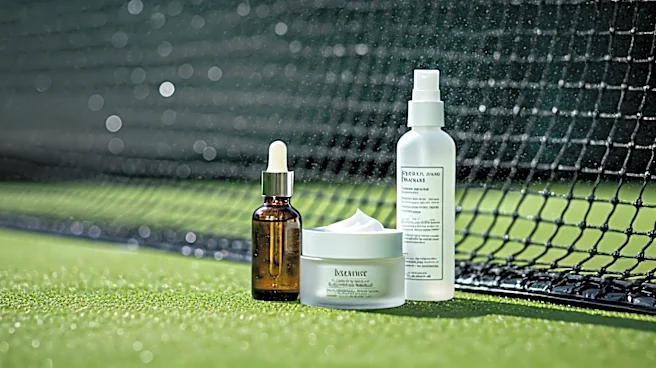
A long-lasting look begins with a clean, balanced canvas. Start by cleansing to remove excess oil, then follow with a lightweight, hydrating serum and an oil-free moisturizer. Even oily skin needs hydration; skipping moisturizer can trick your skin into producing even more oil to compensate. The most critical part of this step is time. Allow each skincare product, especially your SPF, a few minutes to fully sink into the skin. If your skin feels tacky or wet when you move to the next step, your makeup is more likely to fail. The goal is a hydrated, smooth, but not slippery, surface.
Primer: Your First Line of Defense
Primer is non-negotiable for a durable summer base. It creates a barrier between your skin and your makeup, controlling oil and providing a smooth surface for foundation to grip. For a soft-matte look, a mattifying or pore-blurring primer is ideal, especially in the T-zone. But here’s where you must avoid that core error: check your ingredients. If your foundation is silicone-based (look for ingredients ending in “-one” or “-siloxane” near the top of the list), your primer should be too. If your foundation is water-based, choose a water-based primer. This simple match-up prevents the chemical conflict that causes makeup to break apart.
Foundation Technique for Longevity
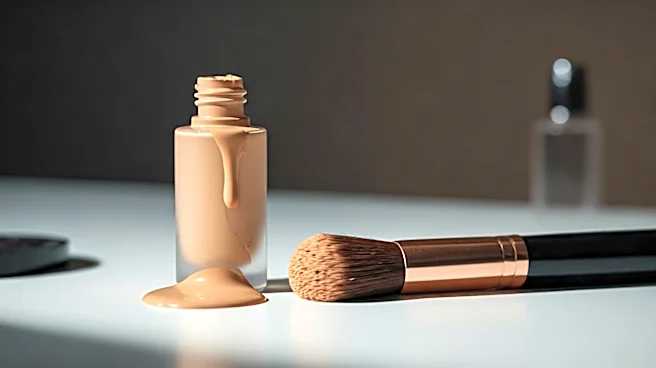
When it comes to foundation, less is more, and the application method is everything. Heavy, thick layers are the first to crack and melt in the heat. Instead, apply your foundation in thin, even layers, building coverage only where you need it. Using a damp beauty sponge to press or stipple the product into your skin is often more effective than rubbing it with a brush. This pressing motion helps merge the foundation with your primer and skin, creating a more unified and durable finish. For extra security in oily areas, you can try the sandwich method: a thin layer of foundation, a light dusting of translucent powder, and then another very sheer layer of foundation pressed on top.
Set Strategically for a Flawless Finish
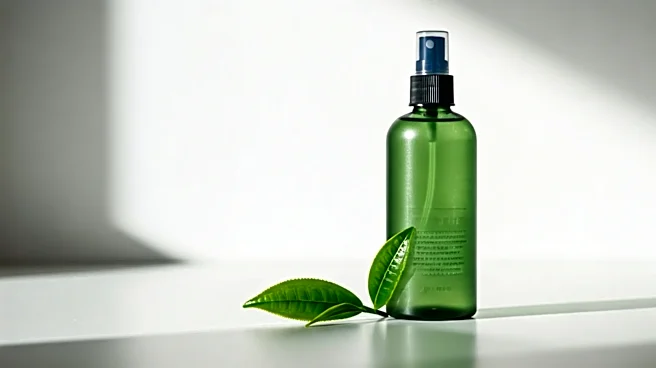
Setting your makeup is the final step to lock everything in place. Use a translucent setting powder, focusing only on areas that tend to get oily, like the T-zone, under the eyes, and around the nose. Press the powder in with a puff or a damp sponge for maximum oil absorption rather than dusting it loosely all over. The final touch is a setting spray. A good setting spray doesn't just add another layer; it helps meld all the previous layers—powder, foundation, and prep—into one cohesive, skin-like finish that is more resistant to heat and humidity. Some artists even recommend spritzing it between layers for added staying power.