
What's the Point of a Pleat?
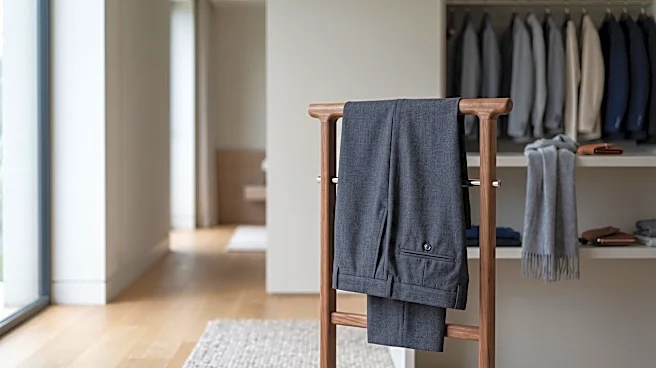
Before diving into the types, it's essential to understand why pleats exist in the first place. A pleat is simply a fold of fabric sewn into the waistband of a trouser. Its purpose is functional: to provide extra room and comfort around the hips and thighs,
especially when you sit or move. When you're standing still, the pleats should lie relatively flat, creating a clean line. When you sit or walk, they open up to provide ease of movement without straining the fabric. This not only improves comfort but also helps the trousers drape better, creating a more elegant and intentional silhouette. They also serve an aesthetic purpose by creating a continuous vertical line from your waist to your hem, which can visually elongate your legs.
The Directional Divide: Forward vs. Reverse Pleats
The most significant distinction in pleat style is the direction in which the folds open. This choice often reflects historical tailoring traditions and has a subtle but noticeable impact on the trouser's look. A 'forward' pleat is one where the fold of fabric opens inward, pointing toward the fly of the trousers. This style is traditionally associated with English tailoring, from the historic Savile Row to today. Forward pleats tend to create a slimmer, cleaner profile from the front because the extra fabric is tucked toward the inside of the leg. This keeps the line along the hip and pocket smooth and uninterrupted. A 'reverse' pleat, conversely, opens outward, with the fold pointing toward the side pockets. This style is linked to Italian tailoring, which gained prominence and has made reverse pleats the more common style found in ready-to-wear pants today. Because they open outward, reverse pleats can add a touch of visual width to the hips. They provide excellent comfort and are often considered easier to fit for a wider range of body types off the rack.
The Numbers Game: Single vs. Double Pleats
Beyond direction, the number of pleats on each side of the zipper also defines the style and fit. A single pleat is the most common and versatile option. It offers a touch of extra room through the hip and thigh without adding significant visual bulk, making it a great entry point for those new to pleats. A single pleat provides functional comfort while maintaining a streamlined look, suiting most body types and occasions, from casual chinos to formal suit trousers. Double-pleated trousers feature two folds on each side. The primary, deeper pleat typically aligns with the leg's crease, while a second, smaller pleat is placed between the first and the side pocket. This style provides the maximum amount of room and comfort, creating a more classic and often more formal appearance. Double pleats work best with heavier fabrics like wool or linen that have enough weight to drape properly, preventing the extra fabric from looking bulky. They are often paired with a higher waistband to anchor the volume and create a more balanced, traditional silhouette.
Finding Your Fit: Which Pleat Is Right for You?
Choosing the right pleat depends on your body type, personal style, and the occasion. If you have a slim build and prefer a clean, modern look, a single, reverse pleat is a safe and stylish bet. It offers comfort without dramatically altering your silhouette. For those with larger thighs or a more athletic build, the extra room provided by pleats can be a game-changer, preventing pulling and pocket-flaring common in flat-front pants. Double pleats, especially forward-facing ones, lend themselves to a more classic, sartorial aesthetic. They pair beautifully with higher-waisted trousers and blazers. However, proportion is key; if trousers with double pleats are worn too low on the hips, they can create an unflattering 'ballooning' effect. Ultimately, the best way to know is to try them on. Pay attention to how the pleats lie when you're standing and how they feel when you sit. When they fit correctly, pleats shouldn't pull open while you stand still.