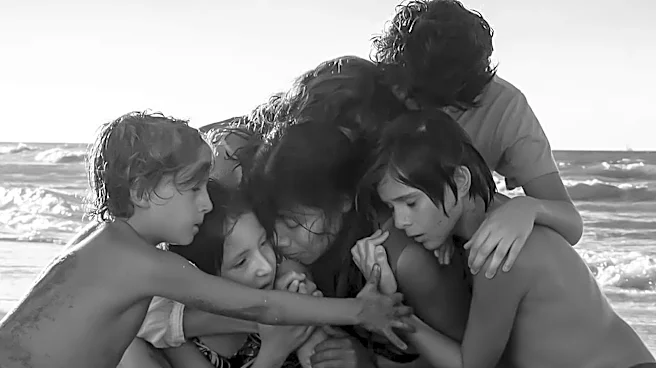





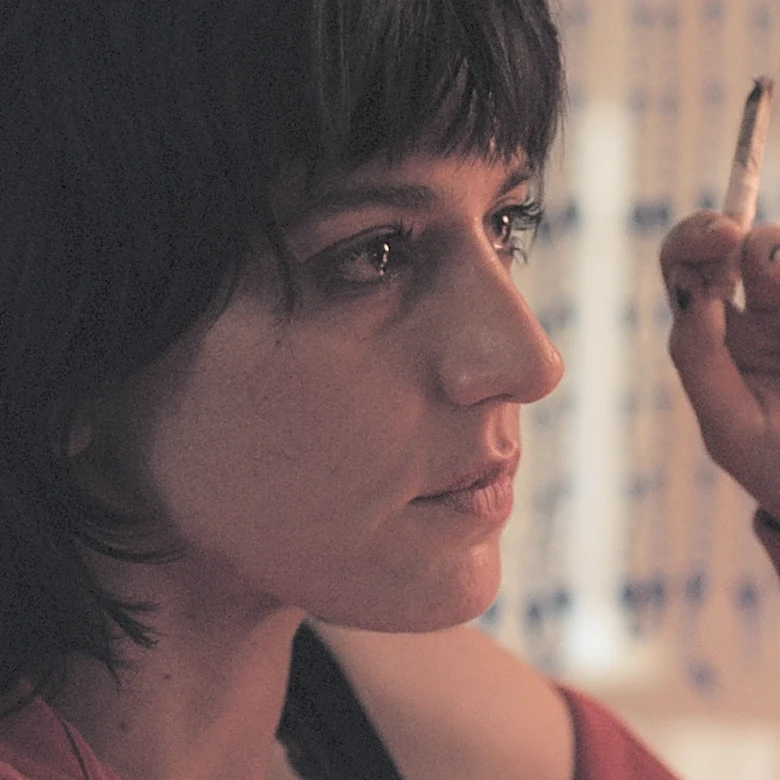




The Chambermaid (2018)
This film feels like a spiritual sibling to 'Roma.' Following a young chambermaid named Eve working in a luxurious Mexico City hotel, the movie is a masterclass in observational storytelling. Director Lila Avilés captures the quiet loneliness and invisible
labor of service work, focusing on the small details of Eve's routine. Like 'Roma,' its protagonist is a woman often overlooked by society, and the film grants her a rich, complex interior life without relying on heavy-handed drama. It’s a powerful, empathetic portrait of modern servitude.
The Second Mother (2015)
Directly tackling the class dynamics 'Roma' explores, this Brazilian drama centers on Val, a live-in housekeeper who has raised her employers' son while being estranged from her own daughter. When her sharp, confident daughter, Jessica, arrives to take her university entrance exams, she refuses to abide by the unspoken rules of servitude, throwing the household’s delicate power balance into chaos. The film is a compassionate and often funny look at class, motherhood, and belonging.
Ilo Ilo (2013)
Set during the 1997 Asian financial crisis in Singapore, this heartfelt film is based on director Anthony Chen's own childhood memories of his family's Filipina domestic helper, Terry. The story explores the complex bond that forms between Terry and the family's troublesome young son, Jiale, as they navigate economic uncertainty. It shares 'Roma's' autobiographical roots and its focus on the intimate, often complicated relationship that develops between a family and the person they employ to care for them.
Still Walking (2008)
No one captures the rhythms of family life quite like Japanese director Hirokazu Kore-eda. 'Still Walking' unfolds over 24 hours as a family gathers to commemorate the death of their eldest son. The film shares 'Roma's' patient, observational style and its profound understanding of how memory and loss permeate the quiet moments of daily life. It’s a movie where little happens but everything is felt, built from small gestures, shared meals, and conversations filled with years of unspoken history.
Ida (2013)
If it’s the stunning black-and-white cinematography and contemplative mood of 'Roma' you're after, look no further than Poland's 'Ida.' This Oscar-winning film follows a young novitiate in the 1960s who, on the verge of taking her vows, discovers from her aunt that she is Jewish. What follows is a quiet, powerful road trip into a hidden family past against the backdrop of post-war Poland. Each frame is composed like a photograph, creating a stark, beautiful, and haunting journey of faith and identity.
Wanda (1970)
A criminally overlooked landmark of American independent cinema, 'Wanda' was written and directed by its star, Barbara Loden. The film is a raw, unglamorous portrait of a passive woman adrift in bleak, industrial Pennsylvania after leaving her husband and children. Loden’s neorealist approach creates an unflinching character study of a woman on the margins, a cinematic ancestor to Cleo. It’s a quiet, devastating film that champions a perspective rarely seen on screen, much like 'Roma' does.
Utama (2022)
This visually breathtaking Bolivian film shares 'Roma’s' sense of place and its focus on a vanishing way of life. 'Utama' (Quechua for “our home”) follows an elderly Quechua couple in the arid Bolivian highlands as a devastating drought threatens their traditional existence. The filmmakers use non-professional actors and stunning wide shots of the landscape to create a powerful, elegiac story about clinging to one's culture and home in the face of overwhelming change. The pacing is slow and deliberate, immersing you completely in their world.
Cleo from 5 to 7 (1962)
A key film of the French New Wave, Agnès Varda's masterpiece follows a beautiful pop singer for two hours as she awaits the results of a biopsy. While the protagonist’s world of fame and glamour is different from 'Roma’s' Cleo, the film shares a focus on a woman’s interior journey and a real-time, slice-of-life structure. It beautifully captures the streets of Paris and the protagonist's shift from being an object of beauty to a person confronting her own mortality and existence.
The Killing of a Chinese Bookie (1976)
For a grittier, American take on the observational style, John Cassavetes' 'The Killing of a Chinese Bookie' is a must-see. The film follows a strip-club owner, Cosmo Vitelli (Ben Gazzara), as his gambling debts force him into a dangerous situation. Like 'Roma,' the plot is less important than the atmosphere and the deeply authentic, lived-in portrayal of its characters and their world. Cassavetes was a master of capturing messy, human truth, and this film’s focus on the small moments and textures of Cosmo's life gives it a vibe that is both realistic and hypnotic.
Los Olvidados (1950)
Decades before 'Roma,' surrealist master Luis Buñuel also turned his camera on the streets of Mexico City. This classic film is a harsh, neorealist look at a group of impoverished street children, and it was even filmed partly in the same Romita neighborhood seen in 'Roma.' While far bleaker and more brutal than Cuarón's film, 'Los Olvidados' is a foundational piece of Mexican cinema that similarly blends social indictment with unforgettable, dreamlike imagery, exploring the lives of those left behind by society.