


The Great Production Squeeze
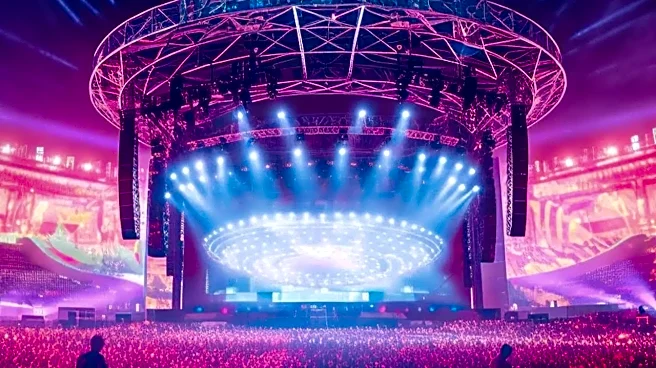
An arena tour is a self-contained universe. The production team controls every element, from the custom-built stage to the exact placement of every light and speaker in a climate-controlled building. For top-tier acts, this often involves multiple identical
sets leapfrogging across the country, with crews taking days to assemble the massive structures. A festival, by contrast, is a shared environment governed by strict schedules and limited space. Instead of a custom world, a touring production must become a “plug-and-play” guest in someone else’s house. The core challenge, according to production managers, isn't just about making things smaller; it's about translating the intent of a highly controlled show into an unpredictable, open-air environment with a fraction of the setup time.
The Stage and Set Diet
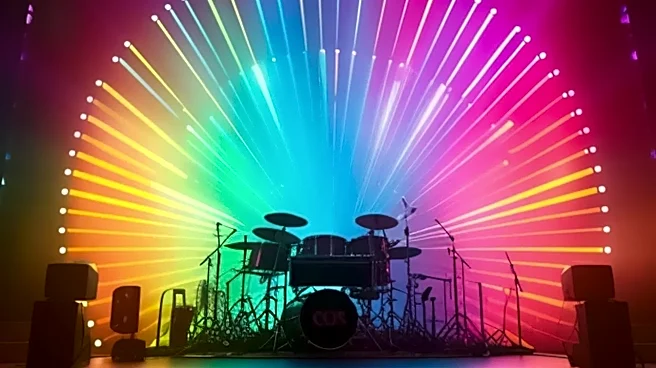
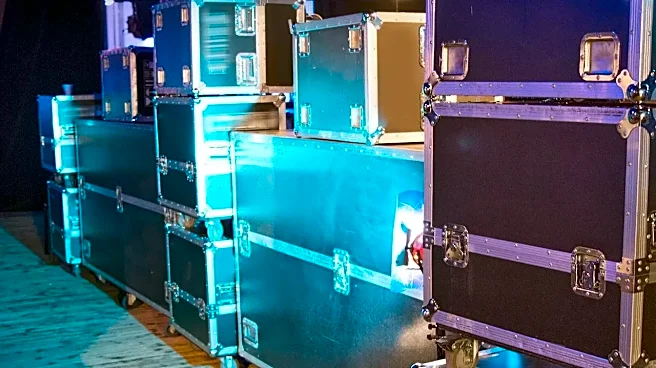
The most visible change is the stage itself. The sprawling, multi-level sets, walkways, and hydraulic lifts of an arena tour, which can require dozens of semi-trucks to transport, are simply not feasible. Instead, tours develop scalable “B” or “C” rigs designed for festivals. This often means swapping elaborate physical set pieces for high-resolution video walls. While the arena show might have a giant inflatable prop or a moving platform, the festival version will use graphics on a screen to create a similar vibe. The focus shifts from architectural immersion to visual dynamism, using the festival's provided stage as a canvas rather than building a new one from scratch.
Putting the Light Show on a Diet
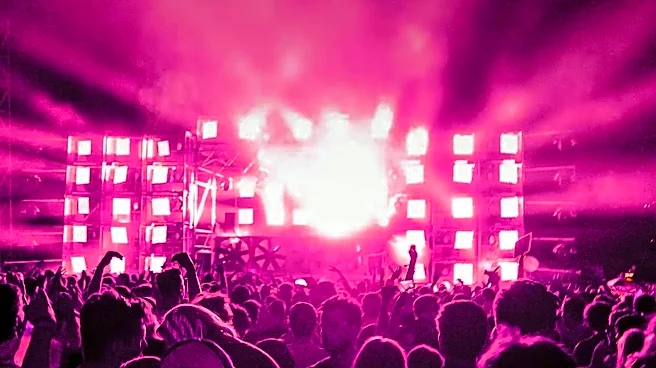
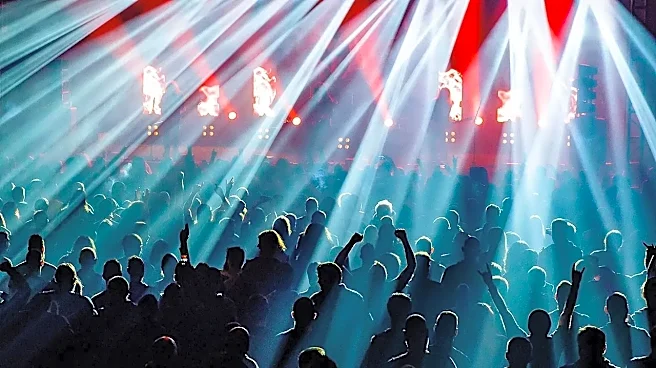
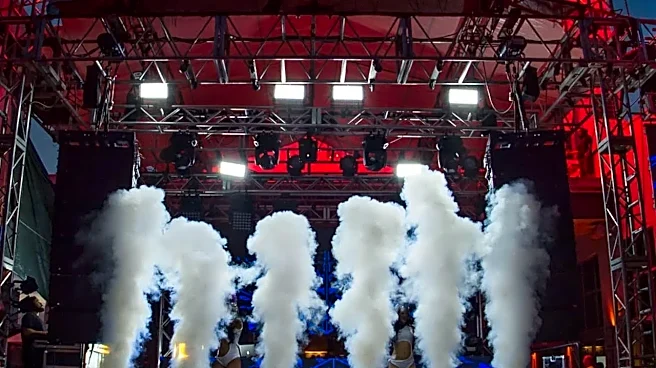
Lighting is arguably the most affected element. In an arena, the designer has total darkness—a blank canvas to “paint” with light. At a festival, a headliner might start their set while the sun is still setting, rendering much of a subtle lighting plot invisible. Furthermore, they have to use the festival’s lighting rig, which is designed to be versatile for dozens of artists, not specific to one. Tour lighting designers spend weeks pre-programming their shows, but for a festival, they must adapt their entire design on the fly. This means focusing on bigger, bolder looks with bright LED color washes, lasers, and fog or haze to make light beams visible in daylight. It becomes less about nuanced theatrical cues and more about creating powerful, high-impact moments that can compete with daylight and the sheer scale of an outdoor setting.
The Unpredictable World of Sound
Sound in an arena is contained; engineers can tune their systems precisely to the room's acoustics. A festival field is the opposite. Sound has to travel long distances through open air, affected by wind, temperature, and humidity. It also has to compete with sound bleeding from other stages. Festival audio engineers use large PA arrays and strategically placed "delay towers"—additional speakers placed partway into the crowd—to ensure the sound reaches the back of the field clearly and in sync with the stage. The artist’s sound engineer must quickly adapt their mix to a system they may have only sound-checked for an hour, a stark contrast to the days they might spend dialing in the sound for an arena.
Less Time, More Problems
Beyond the tech, the human logistics are a huge hurdle. An arena load-in can take a full day or more with a large, specialized crew. At a festival, the changeover time between acts can be as short as a few minutes for opening acts or an hour for headliners. This frantic ballet is managed by a stage manager and requires a smaller, more versatile crew to get the previous act’s gear off and the next act’s gear on with ruthless efficiency. Everything—from equipment checks and power coordination to making sure the artist’s specific backline is ready—happens on a compressed timeline, adding an immense layer of pressure to the entire operation.