








The First Act: Education and Emancipation
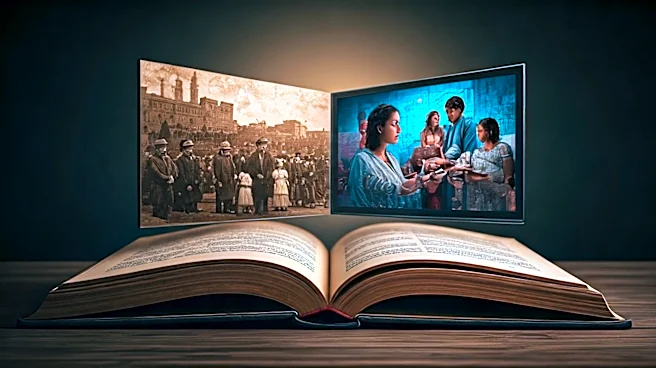
The initial wave of Juneteenth programming has served an essential function: education. For millions of Americans unfamiliar with the holiday, specials on networks from CNN to PBS have explained the historical context—that on June 19, 1865, Union soldiers
arrived in Galveston, Texas, to announce that enslaved African Americans were free, more than two years after the Emancipation Proclamation. These shows often lean heavily on historical reenactments, expert interviews, and solemn discussions about the brutality of slavery and the delayed arrival of freedom. This first act of on-screen storytelling has been crucial. It establishes the stakes and grounds the holiday in a truth that cannot be ignored. It serves as a necessary corrective to a sanitized version of American history, ensuring that the 'why' of the celebration is never forgotten. Without this foundation, Juneteenth risks becoming just another day off, its meaning diluted into retail sales and empty platitudes.
The Problem with a Trauma-Only Narrative
While historically necessary, a narrative that begins and ends with suffering is incomplete. When TV coverage focuses exclusively on the pain of enslavement and the long shadow of systemic racism, it inadvertently frames Blackness as a story solely defined by struggle. This can be emotionally exhausting for Black audiences, who are often asked to relive collective trauma for the education of others. For a wider audience, it can create a sense of historical distance, treating Black freedom as a concluded event rather than an ongoing, living practice. The story of Juneteenth is not just about the end of bondage; it's about what happened the next day, and the day after that. It's about the building of communities, the creation of culture, the pursuit of education, and the sheer, defiant act of finding and creating joy in the face of overwhelming adversity. To stop the story at the moment of emancipation is to rob it of its most powerful act: resilience.
The Final Act: What Joy Looks Like
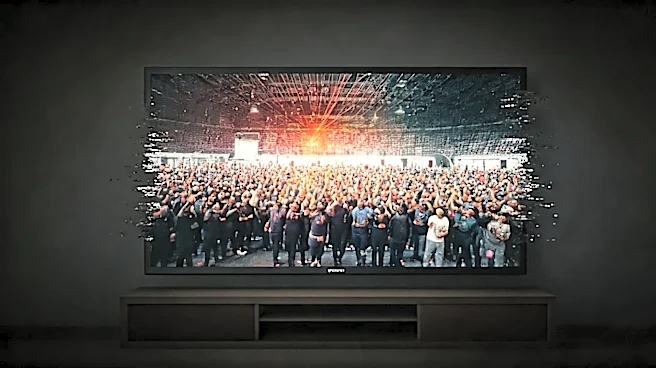
Building a better final act for Juneteenth TV means moving beyond a singular focus on pain and embracing the full spectrum of the Black experience, with joy as its centerpiece. This isn't about ignoring history; it's about celebrating the fruits of freedom. What does that look like in practice? It looks like specials dedicated to the vibrant legacy of Black music, from gospel and blues to hip-hop and R&B, as seen in CNN’s successful “Juneteenth: A Global Celebration for Freedom” concert. It looks like food and travel shows, like the “High on the Hog” series, that explore the ingenuity of Black culinary traditions and their central role in community building. It means commissioning comedies, dramas, and even reality shows from Black creators that premiere around the holiday, showcasing Black life today—messy, beautiful, funny, and thriving. Joy, in this context, is not frivolous. It is a political act of self-definition, a testament to a culture that has always found ways to celebrate life, create beauty, and imagine a better future.
Building a More Complete Picture
The path forward for networks and creators is not to abandon history but to integrate it into a more holistic narrative. Imagine a Juneteenth special that begins with a short, powerful segment on the history of Galveston, then pivots to a vibrant street festival in that same city today. Picture a documentary that interviews a 90-year-old Texan about her family's oral history of the first Juneteenth, then cuts to her great-granddaughter, a young tech entrepreneur launching a new app. The goal is to connect the past to a dynamic present. This requires networks to invest in Black storytellers—writers, directors, and producers—who can bring this nuance to the screen. It means moving beyond one-off specials and thinking about how the themes of Juneteenth—freedom, perseverance, and community—can be woven into year-round programming. By doing so, television can help transform the holiday from a day of solemn remembrance into a forward-looking celebration of Black life in all its fullness.