


The Genesis Backstage
Every viral beauty look begins not on the runway, but in the chaotic, high-energy world backstage. Weeks before the show, a lead makeup artist—an industry icon handpicked by the designer—meets to conceptualize a look that tells the story of the collection.
This isn't just about applying makeup; it's about creating a character. They experiment with colors, textures, and application techniques during a makeup test, finalizing a single vision. That vision is then immortalized on a 'face chart,' a detailed blueprint that a team of artists will replicate with military precision on dozens of models in a matter of hours. The goal is consistency and creating a powerful, unified statement.
The First Look and the Digital Flash
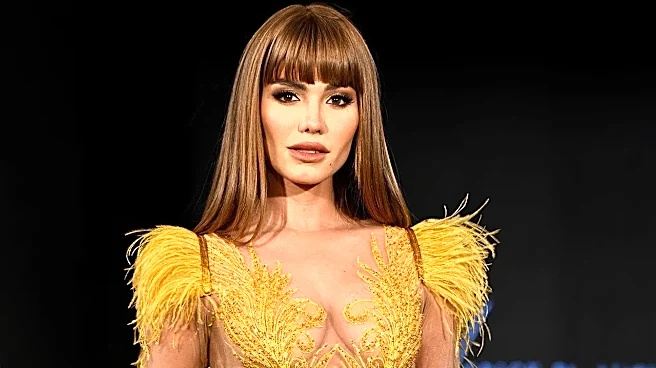
The moment a model steps onto the runway, the image is no longer owned by the backstage creatives. It belongs to the world. In the past, trends trickled down slowly, appearing in glossy magazines months later. Today, high-resolution photos and live streams are beamed globally in seconds. This is where the look gets its first major exposure beyond the industry insiders in the room. Editors, bloggers, and photographers capture every angle, and within minutes, the most striking looks begin their journey across the internet. That single, perfectly executed look from backstage is now a digital asset, ready to be dissected, discussed, and duplicated.
The Social Media Wildfire
This is where the magic of modern trend-setting happens. Social media platforms like TikTok and Instagram have completely democratized the process. Before the final model has even finished her walk, beauty enthusiasts and influencers are already screenshotting, analyzing, and planning their own interpretations. A dramatic, avant-garde runway look—like the smudged, deconstructed red lips seen at Proenza Schouler—is quickly adapted. Creators film tutorials showing how to get a more wearable version, using the hashtag #NYFW. This user-generated content explodes, with studies showing that the vast majority of top beauty videos are created by users, not the brands themselves. The trend is no longer trickling down; it’s being remixed and broadcast sideways by thousands of creators simultaneously.
The Translation to Real Life
You're not likely to wear a face full of gothic vampire makeup, a key look from the Fall/Winter 2026 shows, to your next brunch. But you might be inspired to try a darker, oxblood lipstick. This is the translation phase. The core idea of the runway look is stripped of its most extreme elements and made aspirational yet accessible. The “sleepy girl makeup” seen at Sandy Liang, with its dreamy flush and natural lips, is a perfect example of a runway mood that’s ready for real life. Consumers pick one element to adopt: the specific finish (like velvet skin instead of glass skin), the color (a pop of pastel blue eyeshadow), or the technique (a hint of liner on the bottom lash line). It’s about capturing the essence, not the exact replica.
Landing on the Shelves
The final step in this journey is commercialization. Beauty brands, who are often sponsoring the shows to begin with, are watching this entire cycle unfold. They see the initial buzz from the runway and the explosive engagement on social media. This provides them with invaluable, real-time market research. They can fast-track production on products that align with the burgeoning trend or simply pivot their marketing to highlight existing products that help consumers achieve the look. That bold blue eyeshadow or “bitten lip” stain suddenly appears in targeted ads and at the front of the beauty counter. Fast fashion retailers and mass-market brands also quickly produce affordable dupes, making the trend available to everyone. The runway image has now completed its journey, transforming from a fleeting creative vision into a tangible product in your makeup bag.