




The Art of the Wall
Before the kick is even taken, the goalkeeper becomes a general. Their first job is to organize the defensive wall. This isn't just about throwing bodies in the way; it's a calculated science of angles and communication. The keeper has seconds to assess
the location of the ball, the likely foot of the kicker, and the number of players needed. They'll use loud, clear commands and hand signals to shift their players, aiming to line up the edge of the wall with the near post. This alignment is designed to make the most obvious shot—curling it around the wall into the near corner—as difficult as possible. By taking away that high-percentage shot, the keeper is already narrowing the opponent's options and tilting the odds, however slightly, in their favor.
Studying the Opponent
An elite goalkeeper’s work starts long before the game. They study their opponents, memorizing tendencies. Does this player favor power over placement? Do they have a signature curl? Where on the pitch do they become a threat? This pre-game analysis provides a crucial baseline. Then, in the moment, they become a master of reading body language. They watch the kicker’s run-up, the angle of their hips, and the placement of their non-kicking foot. A kicker approaching from a wide angle might be signaling a shot to the opposite corner. A player with dominant, confident body language is often expected to be more precise. While a clever player can use their eyes to fake out a keeper, these physical tells are much harder to disguise under pressure.
The Psychological Warfare
The 10 seconds before a free kick are a battle of wills. The goalkeeper is the last line of defense, a position that requires immense mental fortitude. They must project confidence, both for their own team and to potentially unnerve the kicker. A keeper who looks focused and ready can plant a seed of doubt in the shooter's mind. But this is a delicate balance. They must also remain calm, control their breathing, and trust the process they’ve rehearsed thousands of time in training. Part of this mental game involves accepting that some shots are simply unstoppable. The goal is not to be perfect, but to recover instantly from any mistake and remain focused on the next play.
The Moment of Truth
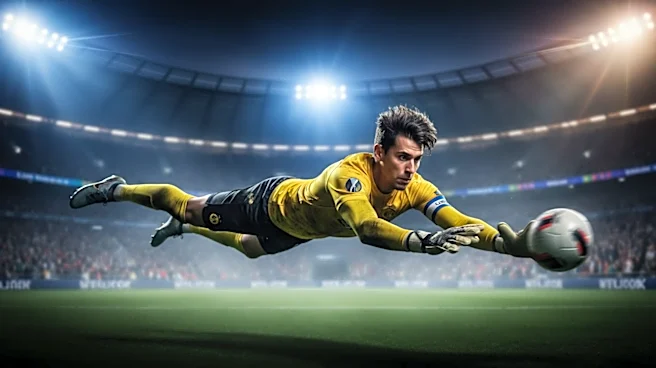
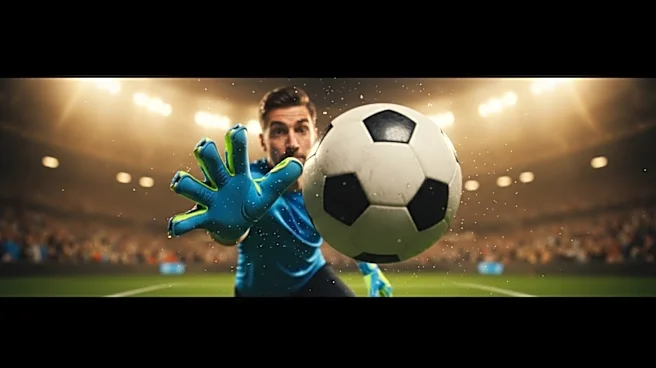
After all the preparation—the wall set, the kicker analyzed, the mind steeled—it comes down to a split-second decision. The goalkeeper has given themselves one side of the goal to cover, trusting the wall to do its job on the other. They must position themselves to see the ball, often peeking from just beside the wall. The biggest mistake a keeper can make is to guess or move too early. An elite keeper waits, holding their position until the ball is struck. Only then do they react, exploding into motion based on the ball's trajectory. They trust their training, their instincts, and the thousands of hours spent honing their reflexes to make that final, game-altering dive. It’s a dizzying combination of homework and instinct, all executed in the blink of an eye.