
Saint Laurent by Anthony Vaccarello
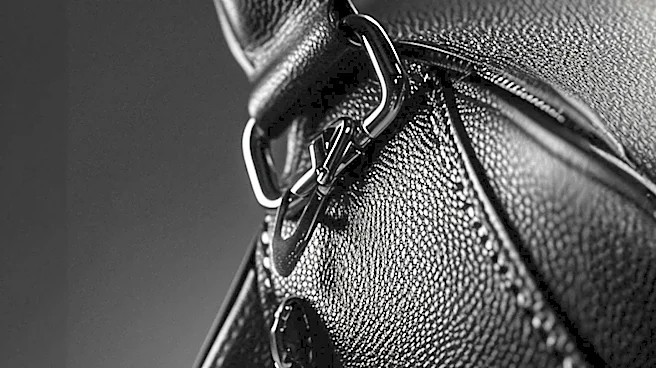
If any designer is the spiritual successor to Ford’s high-octane glamour, it’s Anthony Vaccarello. His vision for Saint Laurent is built on a similar foundation of razor-sharp tailoring, unapologetic sex appeal, and a reverence for powerful femininity.
Where Ford used velvet and silk, Vaccarello often uses slick leather and sheer fabrics to sculpt the body, creating silhouettes that are both severe and sensual. The attitude is the same: clothes for a woman who is in complete control and unafraid to be the center of attention. Vaccarello has consistently built upon this vision, creating a brand identity that feels both stable and deeply desirable, focusing on after-dark glamour with sharp-shouldered jackets and fluid, body-conscious dresses that echo the confidence of Ford’s best work.
Ferragamo by Maximilian Davis
Maximilian Davis has brought a jolt of modern sensuality to the historic Florentine house of Ferragamo. His approach is less about overt provocation and more about a sleek, refined glamour that still feels deeply indebted to the codes Ford established. Davis combines his own design DNA—impeccable tailoring and a touch of fetishism—with the house’s legacy of Hollywood glamour. The result is a collection of liquid-like silk dresses, glossy leathers, and sculptural tailoring that feels both luxurious and refreshingly direct. Like Ford, Davis understands the power of a single, bold color—his signature “Ferragamo red” is as definitive as Ford’s jewel tones—and how to use clean lines to create maximum impact. It’s a vision of sensuality that is polished, precise, and perfect for a modern audience.
Tom Ford by Peter Hawkings (An Era's End)
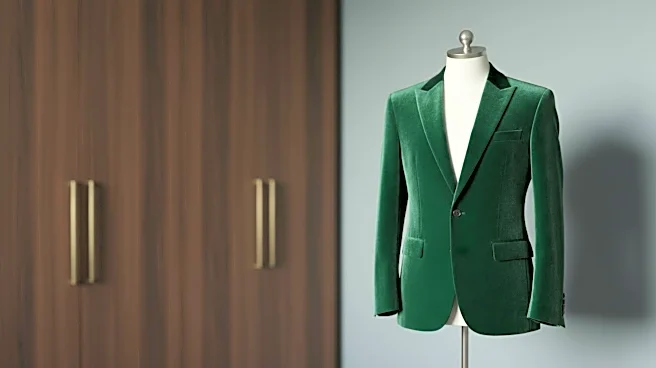
The most direct successor was, for a time, found at Ford's own label. Peter Hawkings, who worked alongside Ford for nearly 25 years, first at Gucci and then at the Tom Ford brand, took the helm in 2023. His collections were a direct and faithful continuation of the founder's ethos: luxe velvet jackets, slinky gowns, and perfectly tailored menswear that oozed cinematic appeal. Hawkings was instrumental in shaping the brand's menswear from the start, and his creative direction for all categories felt like a seamless extension of Ford's world. However, in a move that surprised the industry, it was announced in July 2026 that Hawkings was stepping down. While his tenure was brief, it served as a testament to the enduring power of the original vision, leaving fashion watchers eager to see where the iconic house goes next.
Gucci by Sabato De Sarno (A Surprising Return)
After the whimsical maximalism of Alessandro Michele, Kering, Gucci's parent company, appointed Sabato De Sarno to bring the brand in a new direction. His vision was seen as a return to a more wearable, classic, and sensual Gucci, with some critics noting a hint of the commercial savvy that defined the Ford era. De Sarno focused on clean tailoring, rich materials, and a signature deep red, dubbed 'Gucci Rosso,' creating pieces that were refined and desirable. His goal appeared to be curating a new generation of Gucci lovers with a quieter, more grounded luxury. In a surprising twist mirroring the industry's volatile nature, De Sarno also departed the house after a relatively short tenure, with his exit announced in early 2025. Though brief, his work signaled a renewed appetite for the sleek, real-world sensuality that was a quiet hallmark of Ford's reign.