




The Generational Talent in a Bubble
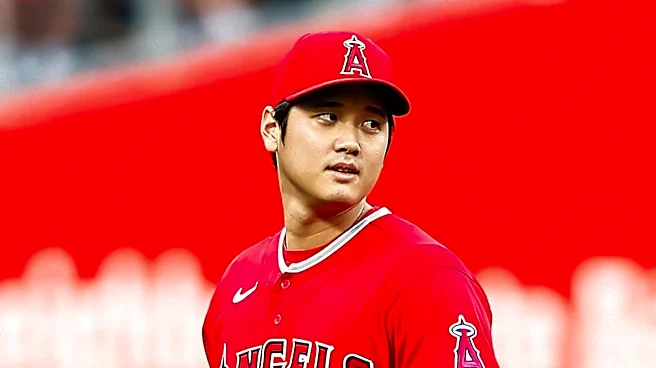
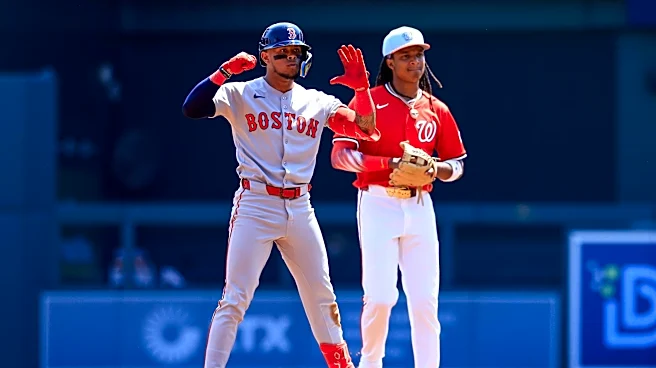
By any statistical measure, Mike Trout is not just a great baseball player; he is a historical anomaly. With three MVP awards and a career filled with staggering offensive numbers, he is often cited as the best all-around player of his generation and one
of the greatest of all time. He is a five-tool phenom who does everything at an elite level. Yet, his profound impact on the field has been largely contained within the bubble of Major League Baseball and, more specifically, the Los Angeles Angels. Trout is famous for his humility, work ethic, and low-key personality. He is a superstar who seems actively to shun the spotlight, a stark contrast to athletes who leverage their platform to build a global brand. His greatness is undisputed by those who follow the sport, but his cultural footprint remains curiously small for an athlete of his stature.
The World at Their Feet
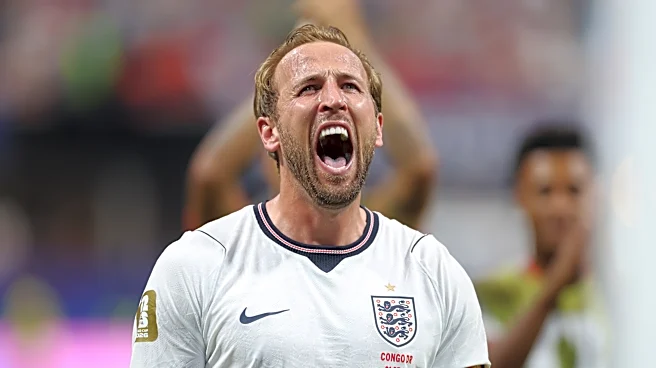
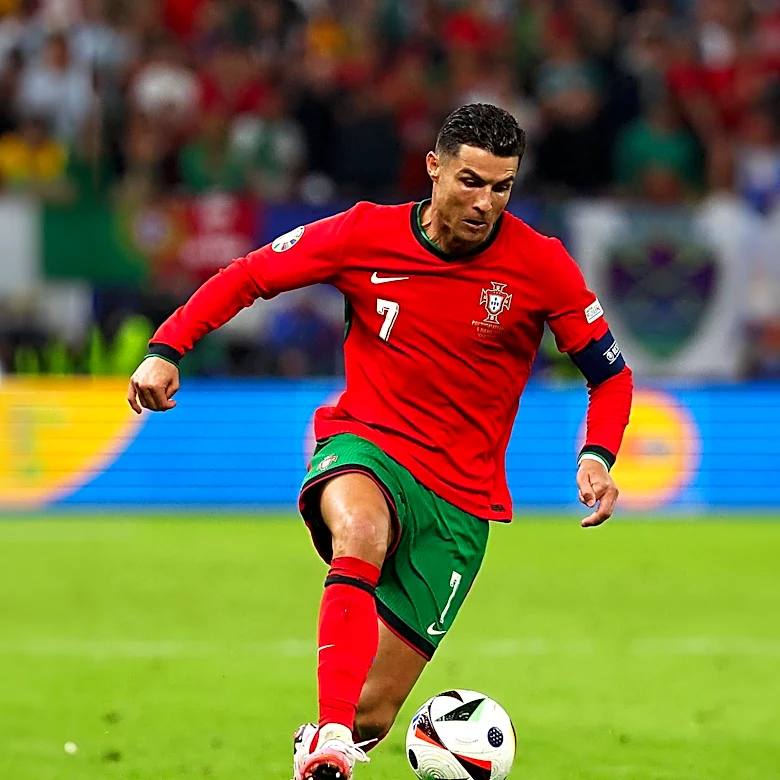
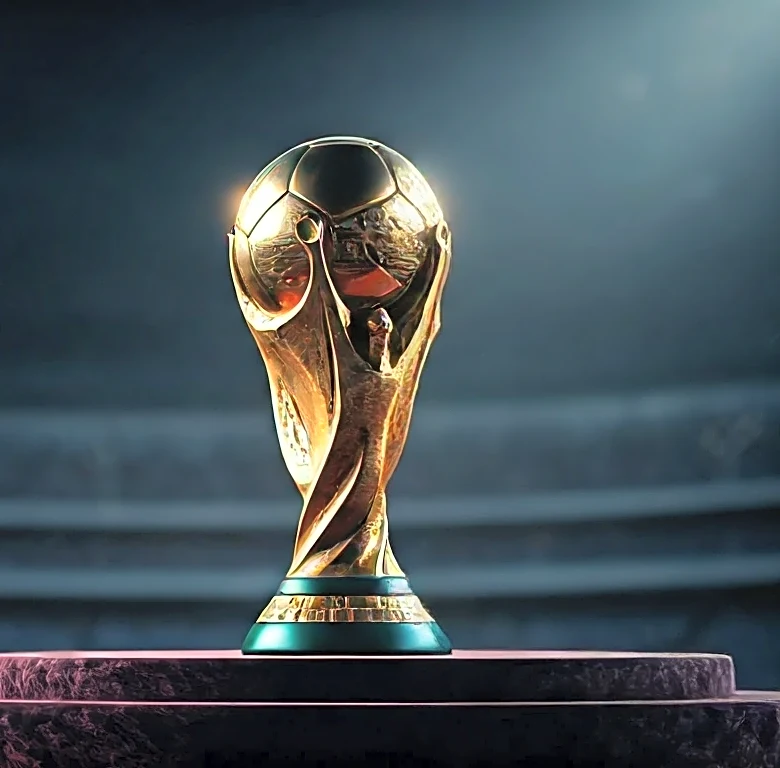
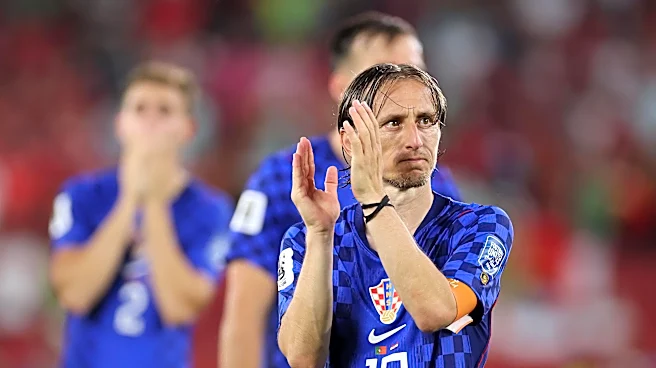
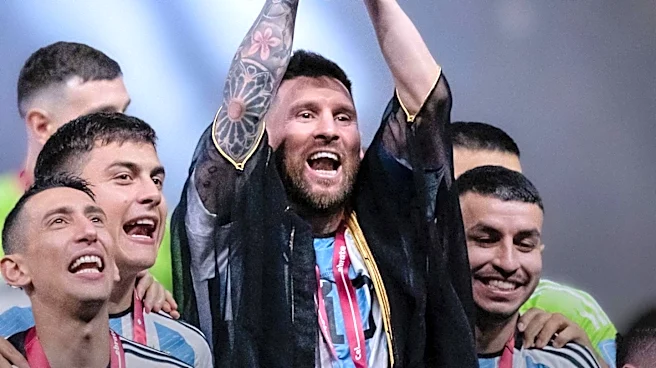
On the other end of the spectrum are the soccer immortals, figures like Lionel Messi and Cristiano Ronaldo. Their careers are also defined by relentless, decade-plus dominance, but their legacies are cemented on the global stage of the FIFA World Cup. This tournament, held every four years, acts as a crucible that forges legends. A single goal can define a nation’s mood and an individual's place in history. Messi's journey, culminating in a World Cup trophy, provided a narrative climax that elevated him from a superstar to a near-mythical figure. Ronaldo, a global brand unto himself, has used the international stage to build an empire of influence that transcends sports, with hundreds of millions of social media followers. Their fame is not just athletic but cultural, a constant presence in the global conversation.
A Tale of Two Platforms
The disparity in fame comes down to the platforms themselves. Soccer, with an estimated 3.5 billion fans, is the undisputed global sport. The World Cup is the most-watched sporting event on the planet, a shared experience that unites billions. Baseball, while popular in North America, Japan, and parts of Latin America, has a much smaller global following, estimated around 500 million. Its championship, the World Series, is a primarily American affair. While international tournaments like the World Baseball Classic exist, they do not command nearly the same prestige or attention as the World Cup. Soccer is increasingly challenging baseball's standing even in the U.S., with some surveys suggesting it has become the nation's third-favorite sport.
The Celebrity Industrial Complex
Does an athlete need to be a media personality to be truly great? The comparison raises the question of whether quiet professionalism is undervalued in modern sports culture. Trout is a model of consistency and dedication, preferring to let his play do the talking. He is, by all accounts, a leader who works hard and puts the team first. In contrast, soccer greats are pillars of a global entertainment industry. Their on-field exploits are amplified by massive endorsement deals, social media empires, and a 24/7 media cycle that dissects their every move. They are not just athletes; they are icons whose personal narratives are as much a part of their appeal as their professional achievements. Trout's quiet nature has even drawn criticism from MLB officials who wish their best player was a more active marketer for the game.