

The Cathedral of Sound: The Traditional Stage
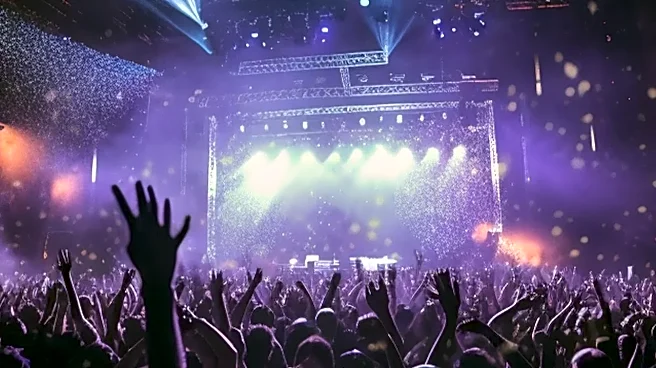
In the world of festivals, the main stage is a familiar anchor. At Burning Man, this concept is elevated by massive sound camps—think Opulent Temple or Root Society—that function as temporary temples of bass. These are destinations. You plan to go there,
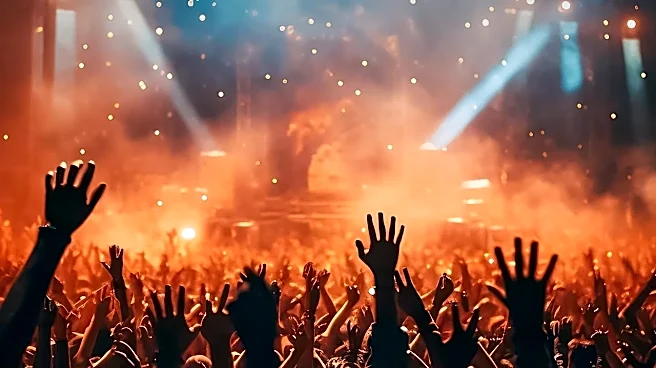
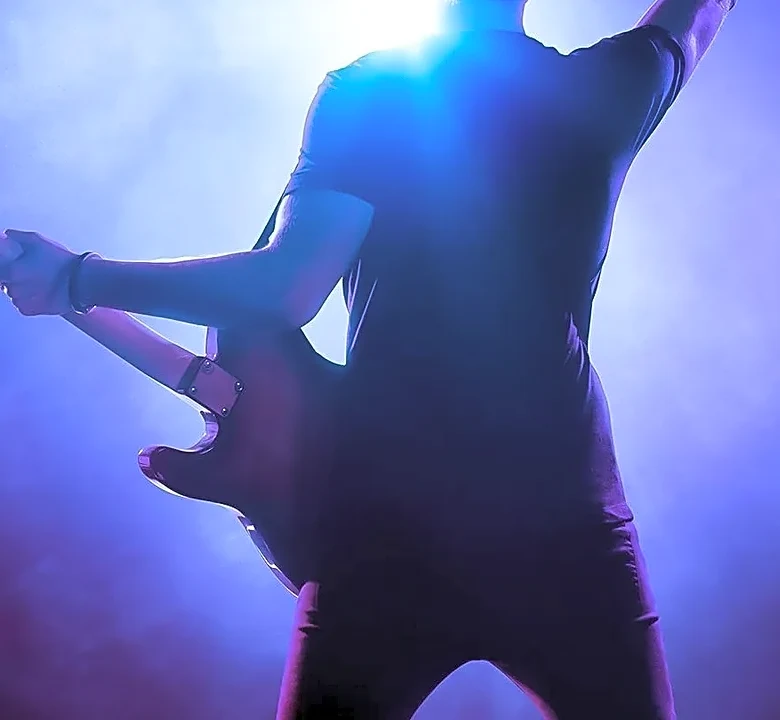
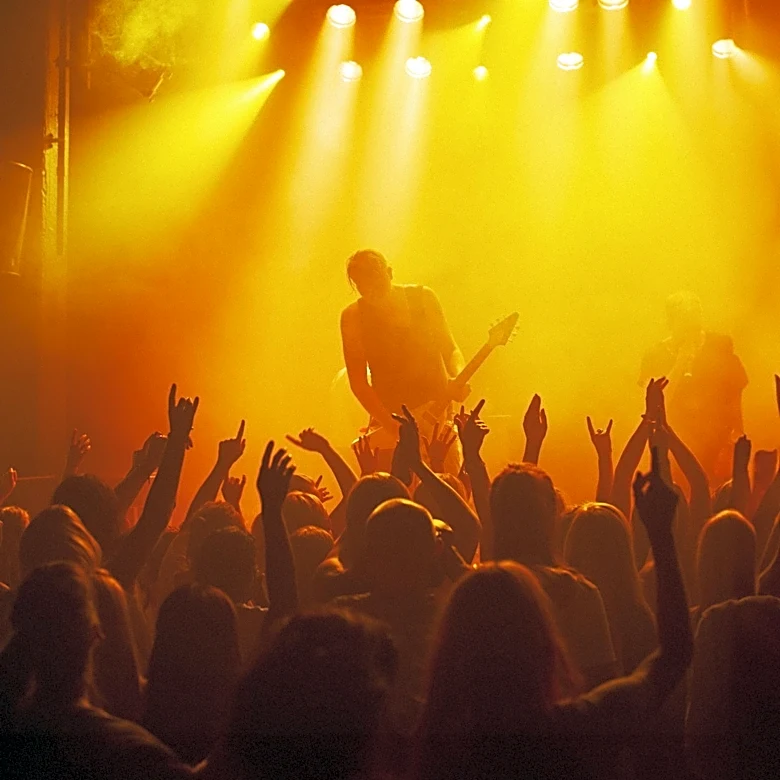
joining thousands of others in a shared pilgrimage. The immersion here is one of scale and focus. Everyone faces the same direction, unified by a colossal sound system and a mesmerizing light show. It's a collective energy release, a powerful, top-down experience where you lose yourself in a sea of people, all captivated by the same singular, overwhelming stimulus. This format provides a powerful, predictable high, a communal experience built on the reliable foundation of professional production and sheer sonic force.
The Renegade Fleet: The Mobile Art Car
Then there are the art cars, or "mutant vehicles." These are not just modes of transport; they are roving, self-contained parties. Imagine a fire-breathing octopus, a Spanish galleon, or a giant VW bus rolling across the desert, each with its own DJ and distinct vibe. You don't find an art car; it finds you. The immersion they offer is one of serendipity and intimacy. Stumbling upon the Mayan Warrior art car at sunrise for an impromptu set is a classic Burner tale for a reason. Being on an art car is like having a backstage pass to the entire desert; you are simultaneously a passenger, a performer, and part of a moving spectacle for everyone you pass. This is immersion by discovery, a decentralized and unpredictable adventure.
Focus vs. Flow: Two Modes of Immersion
The debate isn't about which is better, but what kind of immersion you seek. A traditional stage offers immersive focus. It commands your attention, pulling you into a powerful, shared spectacle. You are one of many, and that anonymity within the crowd is part of the appeal. It's a vertical experience, with energy flowing from the stage out to the audience. An art car, by contrast, offers immersive flow. It moves with you, and the line between performer and audience dissolves completely. The experience is horizontal; you are part of a small, transient community, exploring the landscape together. You might have a conversation with the DJ, or help someone climb aboard. The art isn't just in front of you; it's all around you, and you are inside of it.
The Participant Becomes the Performance
Ultimately, art cars may have a slight edge in fostering the kind of radical participation that is core to Burning Man's ethos. While stages facilitate a collective experience, art cars demand interaction. They are often climbable, touchable, and built to be explored. When you're riding a giant, glowing jellyfish across the open playa at 4 a.m., you are no longer just a spectator at a festival. You are an active participant in a surreal, mobile art installation. The car itself is art, the journey is the event, and the people on board become a temporary tribe. This blurs the lines in a way a stationary stage, no matter how grand, rarely can. The car becomes a platform for connection, not just consumption of sound.