






The Weight of the Crown
In the annals of sports, getting to the top is one thing; staying there is another beast entirely. After a dramatic, heart-stopping victory over France in Qatar, Argentina—led by the mythical Lionel Messi—finally captured the one prize that had eluded
them for 36 years. It was a moment of national catharsis, the culmination of a dream. But history offers a sobering warning for World Cup winners. The curse of the champion is real. France in 2002, Italy in 2010, Spain in 2014, and Germany in 2018 all crashed out in the group stage of the following tournament. The target on your back becomes enormous, the hunger can dim, and the tactical setups that brought you glory are suddenly studied and countered by every opponent. For Argentina, the party is over. The prove-it era has begun.
The Last Dance for a Legend?
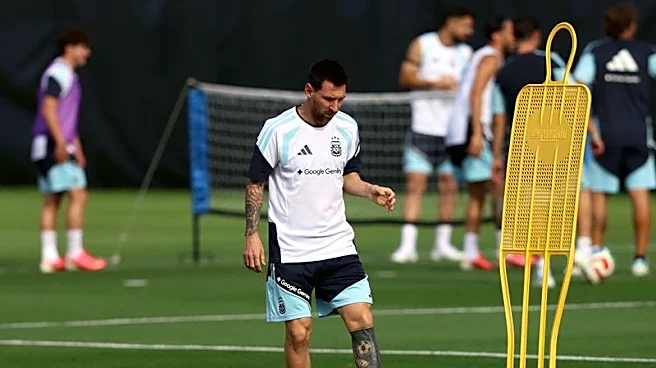
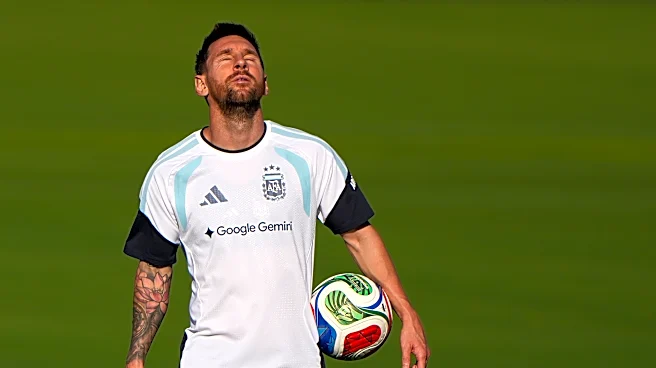
The entire Argentinian project was built around one goal: giving Lionel Messi his World Cup. Now that the mission is accomplished, the central question shifts. Messi, now playing in the U.S. for Inter Miami, is in the twilight of his unparalleled career. While he remains the team’s spiritual and tactical leader, his participation in the 2026 World Cup is far from guaranteed. Every match becomes a referendum on his longevity. Coach Lionel Scaloni’s greatest challenge is no longer how to build a team to support Messi, but how to begin building a team that can eventually survive without him. This transition is delicate. Veterans like Ángel Di María have already announced their international retirement post-Copa América 2024, signaling the slow end of a golden generation. The team must find a new emotional core and a tactical identity that doesn’t depend solely on a once-in-a-lifetime genius.
Scaloni’s Next Masterpiece
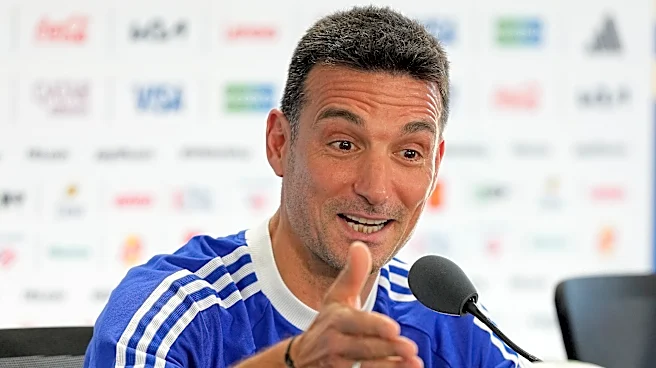
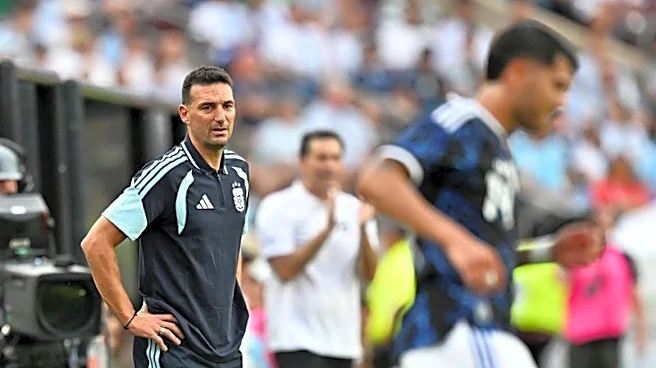
The architect of this triumph, Lionel Scaloni, was initially an afterthought—a temporary manager who became a national hero. His genius was in building the “Scaloneta,” a team defined by ferocious unity, tactical flexibility, and a collective desire to fight for Messi. He fostered a locker room culture that was more like a band of brothers than a collection of superstars. His next masterpiece must be different. He has to guard against the complacency that can creep into a championship squad. He must evolve their style of play, knowing that opponents now have a blueprint for how to disrupt their rhythm. After a brief period of contract uncertainty that worried the nation, Scaloni has committed to seeing the team through its next phase. His task is to turn a team that achieved a dream into a dynasty that defends a legacy.
The New Guard’s Burden
While Messi and Di María provided the veteran leadership, Argentina’s victory was powered by a new generation of stars. Players like Enzo Fernández, Alexis Mac Allister, and Julián Álvarez went from promising talents to world-class performers on the biggest stage. They weren’t just supporting characters; they were vital cogs in the machine. Now, the burden of expectation shifts to their shoulders. They are no longer the hungry upstarts fighting to prove themselves. They are world champions, and with that title comes immense pressure. Can they maintain the same level of intensity now that they’ve reached the summit? Their performance in the upcoming 2024 Copa América and the grueling South American World Cup qualifiers will be the first true test of their collective mentality. They must prove that the fire of 2022 was not a fleeting flame but an enduring inferno.