
The Freedom of a Short-Term Gig
The secret sauce is the anthology format itself. For a traditional network drama, an actor might be asked to sign a contract that locks them in for five to seven years. For a film star or an in-demand
character actor, that’s a creative and financial eternity. An anthology series, however, tells a new story each season or even each episode. This means an actor can commit to a single, contained project. They can film for a few weeks or months, tell a complete story, and then move on. It’s the television equivalent of a movie shoot, offering the best of both worlds: the prestige of a high-quality series without the long-term shackles. This flexibility is a massive draw for talent who want to experiment with TV but are hesitant to commit to a multi-year role.
A Playground for Extreme Characters
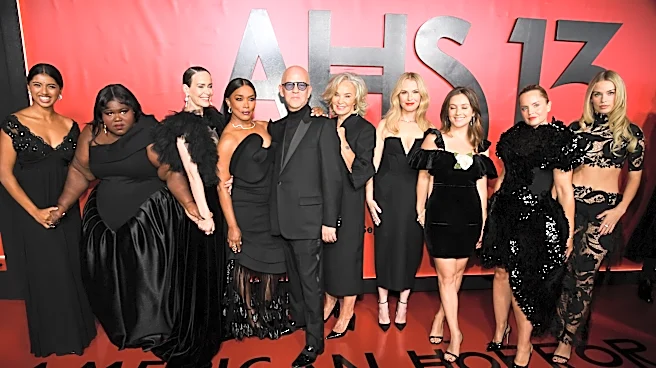
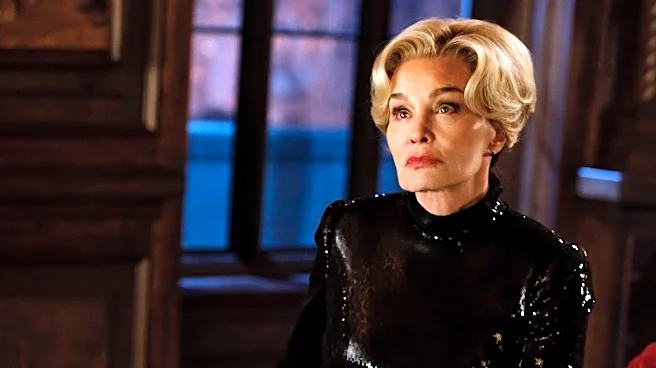
Horror, by its nature, allows for larger-than-life characters. For an actor, an anthology role is a chance to swing for the fences. They can play a sadistic asylum nun, a high-fashion vampire, or a tech CEO with a god complex—roles that rarely exist in mainstream dramas or blockbuster films. Because the commitment is short, there’s no risk of being typecast. Jessica Lange revitalized her career with a series of Emmy-winning roles on American Horror Story, playing wildly different, often monstrous characters each season. Likewise, stars like Salma Hayek and Aaron Paul have appeared in Black Mirror for single-episode arcs that allow them to explore dark, challenging themes without it defining their entire brand. It’s a low-risk, high-reward opportunity to showcase their range.
A Marketing Goldmine for Producers
From the studio's perspective, this casting strategy is a brilliant marketing tool. Announcing that Lady Gaga is headlining a season of American Horror Story or that Jon Hamm is starring in a Black Mirror special generates instant buzz that money can’t buy. Each new season becomes an event, with fans eagerly awaiting the cast list. This turns the series into something closer to a repertory theater company, where the appeal is seeing a familiar troupe of talented actors tackle new material. The star power draws in viewers who might not typically watch horror, broadening the show's audience. It elevates the production, giving it an air of prestige and turning what could be a niche genre show into a must-see cultural phenomenon.
The New Era of Prestige Horror
It wasn't always this way. But in the current era of Peak TV, horror has gained critical respect. Anthologies like Guillermo del Toro's Cabinet of Curiosities and Black Mirror regularly receive Emmy nominations and critical acclaim. This has made the genre a desirable space for serious actors. They aren't just signing up for jump scares; they're working with visionary creators like Ryan Murphy, Charlie Brooker, or Jordan Peele on stories that are often sharp social commentaries. The anthology format gives these creators the freedom to tell bold, finite stories, which in turn attracts performers who are looking for their next interesting challenge, not just their next long-term gig. The result is a self-sustaining cycle: prestige creators make ambitious horror, which attracts A-list talent, which brings more prestige and a bigger audience to the genre.