

The Savile Row Foundation
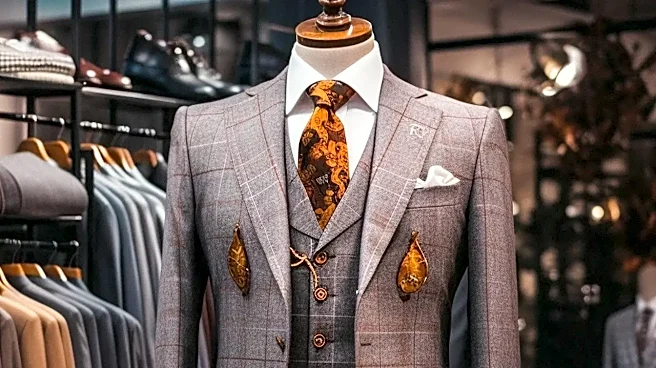
You can’t understand the rebel without first understanding the traditionalist. Lee Alexander McQueen, the son of a London taxi driver, left school at 16 to become an apprentice on Savile Row, the historic heart of British bespoke menswear. He started
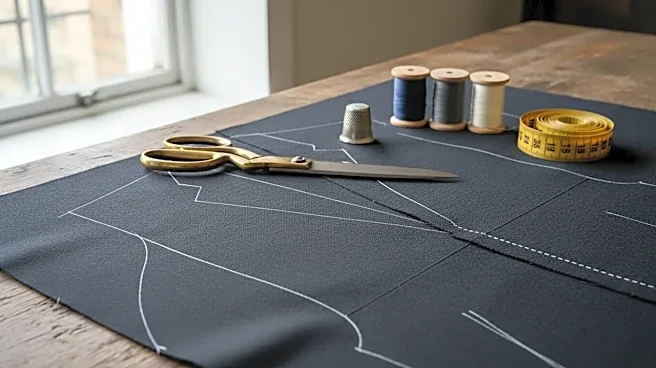
at Anderson & Sheppard, learning the art of coat-making, before moving to Gieves & Hawkes to master pattern cutting. This wasn't just a job; it was a rigorous education in the foundational mechanics of clothing. He learned how to construct a garment with technical perfection, mastering centuries-old techniques long before he would begin to deconstruct them. This training gave him a reputation as an expert with an almost obsessive command of cut and construction, a skill set that would become the bedrock for all his future innovations. He himself said, "Everything I do is based on tailoring".
Subverting the Rules You've Mastered
McQueen's genius wasn't just that he knew the rules of tailoring, but that he knew precisely how and why to break them. The most famous example is the “bumster” trouser, which first appeared in his early 1990s collections. These weren't just low-rise pants; they were a feat of engineering designed to elongate the torso by radically lowering the waistline to expose the base of the spine, a part of the body McQueen found particularly erotic. Creating this new silhouette required an intimate knowledge of pattern cutting. It was a deliberate manipulation of proportion that could only be achieved by someone who understood the architecture of a traditional trouser inside and out. He married Savile Row precision with a punk-rock desire to shock and provoke, creating something entirely new in the process.
Tailoring as a Storytelling Tool
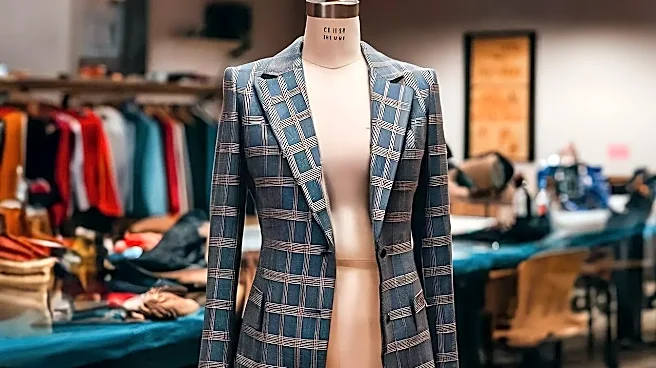
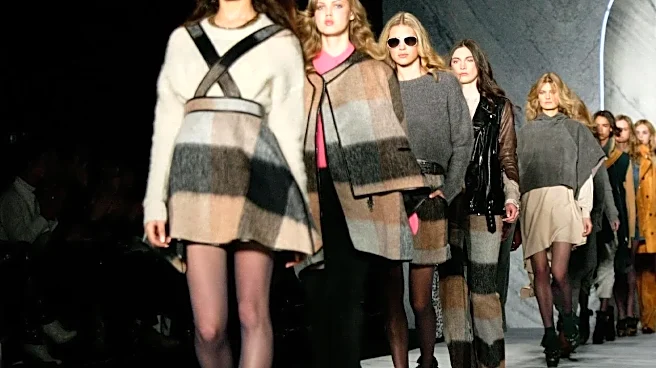
For McQueen, a sharply cut shoulder or a meticulously constructed jacket was never just about aesthetics; it was about narrative. His shows were famous for their emotional power and historical references, and the tailoring was a key character in those stories. In collections like 'Dante' (Autumn/Winter 1996), he used articulated jackets and garments based on ecclesiastical clothing to explore themes of religion and conflict. In 'Highland Rape' (Autumn/Winter 1995), the torn and slashed garments weren't just for shock value; they were a political statement about English oppression of Scotland, with the deconstruction of traditional tartans speaking volumes. The impeccable structure of a military-inspired coat, contrasted with its ravaged presentation on the runway, told a story of fragility and strength, tradition and modernity—a juxtaposition central to his work.
A Legacy Cut From a Different Cloth
In the world of fashion, provocateurs come and go. What solidifies McQueen’s legacy as one of the greats, rather than just an 'enfant terrible', is this undeniable technical skill. While others used shock to mask a lack of substance, McQueen’s theatrics were always supported by an unparalleled understanding of craft. His ability to combine the fine workmanship of a French haute couture atelier with the bespoke knowledge of British tailoring created a new language in fashion. This is why his work continues to be studied and revered in museum exhibitions from the V&A to The Met. The brand he founded continues to place this heritage at its core, exploring deconstructed tailoring and reinventing his signature silhouettes season after season. The spectacle drew you in, but it was the tailoring that made you stay, cementing his status as a true master of his art.