



The Red Carpet Afterlife
Once a celebrity steps onto the red carpet, the images and video clips belong to the world. Within hours, this raw material is seized by an army of digital creators on platforms like TikTok and Instagram. They become the building blocks for 'fan edits'—short,
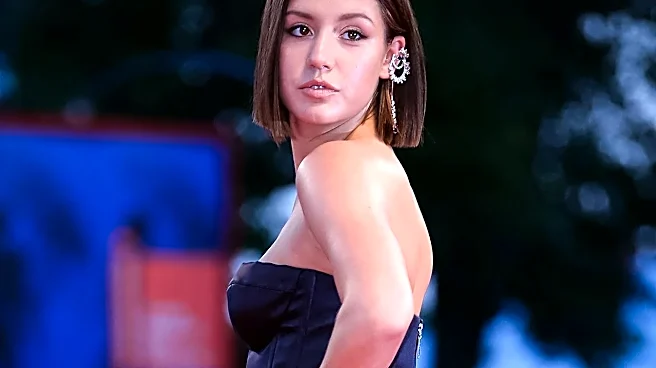
stylized videos set to trending music that reframe a simple walk into a cinematic event. A slow-motion turn is amplified, a knowing glance becomes a major plot point, and the rustle of a silk gown is synced perfectly to a dramatic beat drop. These edits aren't just highlight reels; they are complete artistic reinterpretations. The Venice Film Festival, with its mix of Old Hollywood glamour and boat arrivals against a stunning backdrop, provides the perfect source material for this new form of digital worship.
Anatomy of an Edit
The grammar of a fan edit is all about feeling. Creators use quick cuts, speed ramps, and moody color grading to build a specific emotional narrative. A clip of an actor smiling for cameras can be slowed down and set to a melancholic Lana Del Rey track, transforming the moment into one of quiet introspection. Conversely, a powerful walk in a sharp suit, paired with a pulsing electronic beat, becomes a declaration of confidence. This practice has become so widespread that it's no longer considered a niche hobby but a core part of modern fandom. It's a way for fans to move beyond passive consumption and become active participants, essentially directing their own mini-movies starring their favorite celebrities like Timothée Chalamet or Zendaya, frequent subjects of these digital tributes.
Fashion as the Main Character
In these fan-made creations, the fashion often becomes the star of the show. While the celebrity is the vessel, the edit can draw a viewer's eye to the specific artistry of a garment in a way a static photo cannot. An editor might isolate the way a couture gown by Elie Saab or Balmain moves, how light catches on intricate beadwork, or the dramatic silhouette of a custom tuxedo. The edit gives the clothing its own story, separate from the person wearing it. It highlights fashion not just as an accessory, but as a crucial element of the performance of celebrity. This digital treatment ensures that a truly great look isn't just discussed the next day; it's remixed, revered, and remembered for weeks, its legacy cemented in thousands of looping, 15-second videos.
The New Language of Fandom
Ultimately, the rise of the red carpet fan edit signals a fundamental shift in how culture is made and consumed. The pristine, controlled images released by photographers and fashion houses are just the starting point. Fans are now co-creators of a celebrity's image, using easily accessible apps to build entire mythologies around them. This phenomenon isn't just about appreciation; it’s a powerful form of engagement that keeps stars and their style relevant in a crowded media landscape. Movie studios and brands have even started to adopt the fan-edit aesthetic for their own marketing, recognizing its power to connect with a younger, digitally native audience. What starts on the Lido in Venice doesn't end there—it explodes into a million different narratives, each one a testament to the new, democratized world of pop culture.