



The Allure of the Instant Dupe
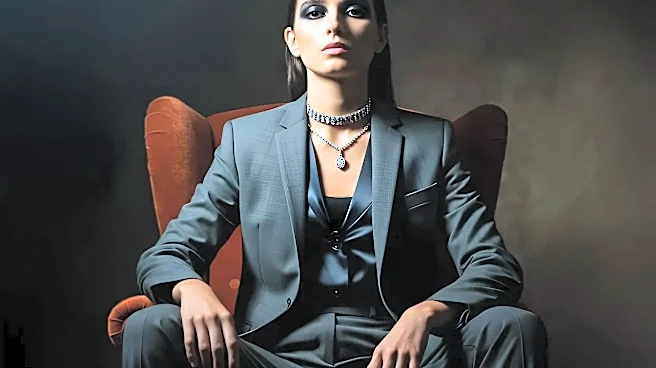
The promise of fast fashion is intoxicatingly simple: runway style at a fraction of the price. You see a blazer with a sharp, elongated silhouette on a model and, a few weeks later, a similar version is available for the cost of a few cocktails. It feels
like democratized style, a way to participate in a high-fashion conversation without the exclusive ticket price. Yet, this often ends in disappointment. The blazer that looked architectural and chic on the runway feels bulky or ill-fitting in person. The dress that seemed ethereal and flowing becomes a shapeless sack. The instinct is to blame the cheaper fabric or shoddy construction, and while those are often factors, they aren’t the root cause of the failure. The real issue is a fundamental misunderstanding of what makes the original garment work in the first place.
Fashion’s Forgotten Foundation: Proportion
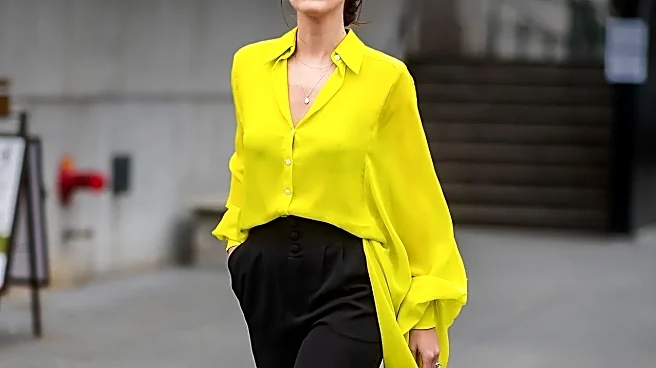
Before a single piece of fabric is cut, designers work with a core principle that’s more architecture than apparel: proportion. Proportion in fashion refers to the relationship between the different parts of a garment and how they relate to the whole and to the body wearing them. It’s about the mathematical and visual balance of lengths, widths, and volumes. Think of a high-waisted pant elongating the leg, a cropped jacket creating a 1/3 to 2/3 visual split of the body, or the precise placement of a seam to create the illusion of a longer torso. These aren’t random choices; they are deliberate calculations designed to sculpt a silhouette and guide the viewer's eye. A well-proportioned garment creates harmony and can make the wearer appear taller, slimmer, or more balanced. It’s a silent language that communicates elegance and intention.
The Runway Is Not a Mirror
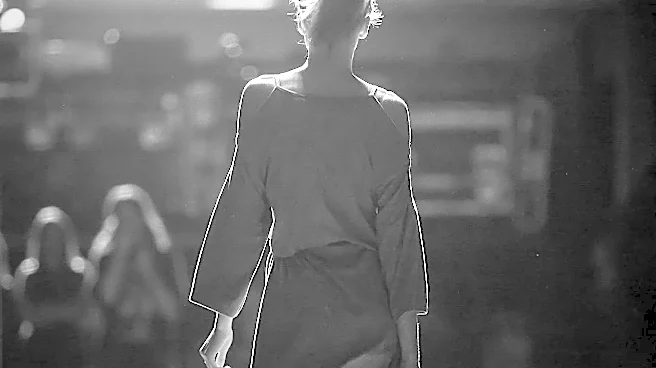
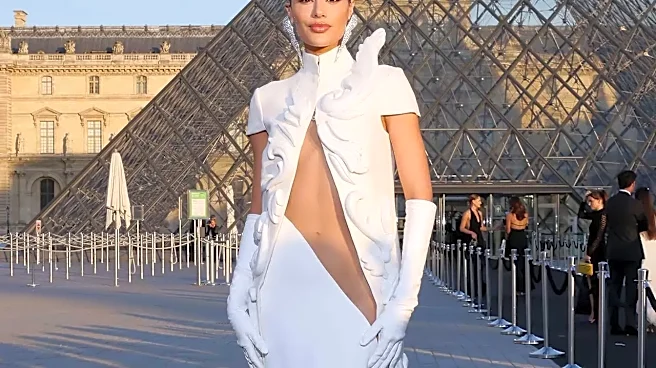
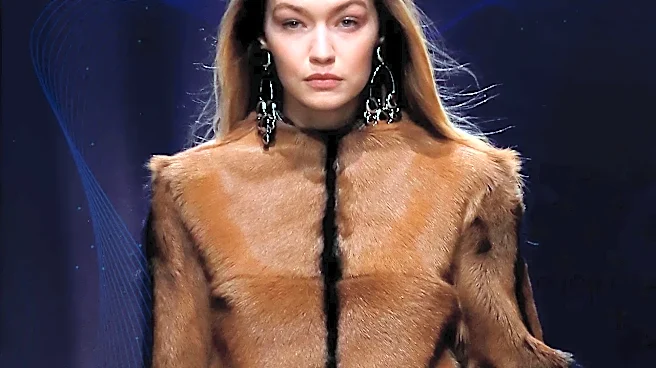
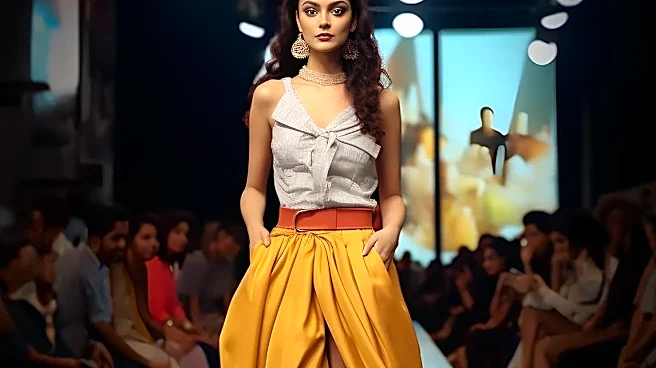
A crucial piece of the puzzle is the specific canvas for which runway clothes are designed: the high-fashion model. Female runway models are typically 5'9" or taller, with waists often 10 inches smaller than their hips and bust. They are, in essence, a standardized human hanger whose job is to display the clothes' proportions as the designer intended, without their own body shape interfering. The garments are drafted and fitted with these exact, elongated proportions in mind. A dropped waist that looks edgy and cool on a 6-foot frame with a long torso creates a very specific visual line. An oversized shoulder that balances a narrow hip on a model’s frame serves a distinct geometric purpose. The clothes aren't just on the model; they are in conversation with that specific body's proportions.
When a Copy Becomes a Caricature
Here is where the literal copy fails. A fast-fashion brand might replicate the seams, color, and details of a designer piece, but it cannot replicate the original canvas. When a garment designed for a 5'11" frame is simply scaled down and produced for a wider range of body types, the proportional harmony is lost. That dropped waist designed to lengthen an already long torso can visually shorten the legs of someone with average proportions. The oversized shoulder that looked powerful on the runway can swamp a more petite frame, making it seem bulky rather than strong. The copy isn't a translation; it’s a distortion. Without the original proportional context, the design elements become a caricature of the original intent, leading to that common feeling of an outfit just being “off.” The fit isn't just poor; the entire visual statement has been scrambled.
Shopping for You, Not for Them
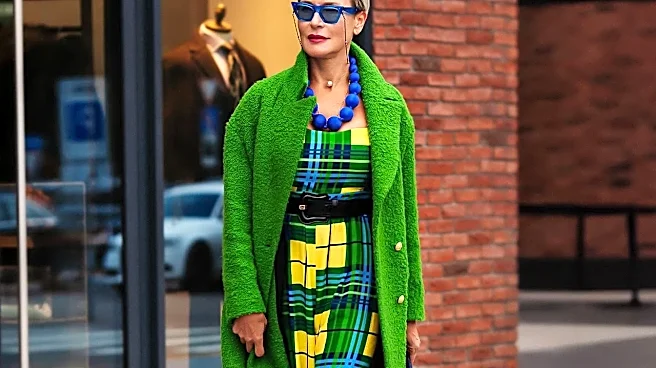
The solution isn’t to swear off trends or affordable fashion. It’s to shift your focus from chasing literal looks to understanding your own proportions. Instead of asking, “Where can I find that exact dress?” ask, “What was that dress doing?” Was it creating a defined waist? Elongating the legs? Balancing the shoulders? Once you identify the principle, you can find it in pieces that work for your body. This means paying attention to where hemlines hit, where the waist on a dress cinches, and the relationship between the volume of your top and bottom. It’s about using clothes to create balance on your unique frame. Style isn't about wearing a costume from a runway show; it's about using the tools of fashion—like proportion—to feel confident and comfortable in your own skin.