





The Shondaland Stamp
Before Bridgerton, producer Shonda Rhimes and her company Shondaland had already perfected a formula for addictive television with hits like Grey's Anatomy and Scandal. These shows are known for their fast-paced plots, high-stakes romance, and diverse
ensembles. By applying this proven model to a genre typically defined by slow burns and strict historical accuracy, Bridgerton felt revolutionary. Rhimes's production house infused the series with a modern, unapologetically entertaining sensibility that prioritized emotional payoff and binge-worthy drama over museum-quality replication. The show was designed to be more lavish, sexier, and funnier than a standard period drama, creating an engrossing distraction that resonated with a massive audience.
A Fantasy of the Past
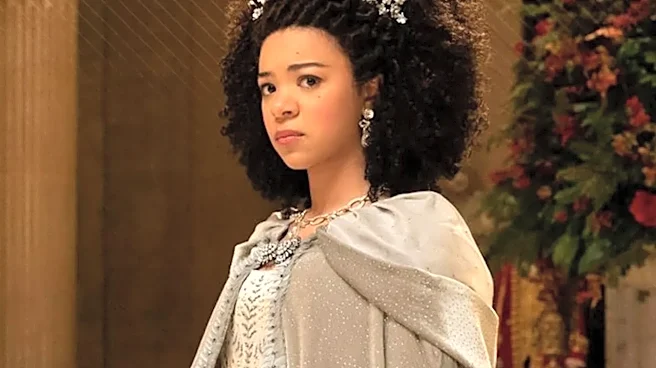
From the very first frame, Bridgerton announced it was playing by its own rules. The costume and production design deliberately abandoned the drab, muted tones of historical accuracy for a hyper-saturated, fantasy aesthetic. Inspired in part by Sofia Coppola's film Marie Antoinette, the world of the 'ton' is a confection of cotton-candy pinks, acid greens, and vibrant jewel tones. This visual feast extended to the costumes, which blended Regency silhouettes with modern fabrics and embellishments. The goal wasn't to create a history lesson, but a romantic fantasy world that felt accessible and spectacular to contemporary viewers. This approach sparked a massive fashion trend known as "Regencycore," with searches for empire-waist dresses and corsets skyrocketing after the show's debut.
The Sound of a New Era
Perhaps nothing signaled Bridgerton's modern sensibility more clearly than its soundtrack. The show's creators layered ballroom scenes with instrumental string covers of modern pop songs, from Ariana Grande's “thank u, next” to Taylor Swift's “Wildest Dreams.” Performed by groups like the Vitamin String Quartet, these arrangements acted as a clever wink to the audience, bridging the gap between the 19th-century setting and 21st-century viewers. The familiar melodies made the world feel more relatable and served as a constant reminder that this was a reimagining of history, not a recitation of it. This blend of old and new became a signature of the show, proving that pop music and classical strings could create a sound that felt both timeless and current.
Reimagining the Ton
Bridgerton's most significant innovation was its approach to casting. The series employed a color-conscious strategy that reimagined Regency London as a racially integrated society, with actors of color in leading roles as dukes, queens, and debutantes. This was a deliberate choice by Shondaland, which has a long history of championing diversity in its productions. Based on a historical seed of truth about Queen Charlotte's background, the show created a fantasy world where people of color held power and status. This decision to show audiences of color reflected on screen in positions of beauty and aristocracy was a powerful statement. It disrupted the long-held tradition of all-white period dramas and proved that these universal themes of romance and family could resonate even more powerfully in a more inclusive world.
Marketing a Global Moment
Netflix and Shondaland didn't just release a TV show; they orchestrated a cultural event. With its record-breaking debut reaching 82 million households in its first 28 days, Bridgerton's success was amplified by a masterful marketing strategy. This went far beyond simple promotion, expanding into immersive fan experiences like "The Queen's Ball," which toured globally and allowed fans to step into the world of the show. The campaign also included a massive array of consumer products, from themed teas and makeup to wedding dresses and home goods, serving a female fandom often overlooked by traditional merchandising. By mobilizing the entire cast on social media and creating a steady drumbeat of content, the campaign ensured that Bridgerton dominated the cultural conversation long after its episodes dropped, turning a streaming series into a year-round phenomenon.