
The 'Festival of Festivals' Era: Substance Over Style
In its early decades, TIFF was known more for its discerning audiences and comprehensive film programming than its red carpet glamour. Launched in 1976, it established itself as the "festival of festivals," a place for cinephiles to catch the best films
from around the globe. Fashion, while present, was an afterthought. Stars arrived in looks that were often elegant but rarely headline-making. The vibe was serious and intellectual; the focus was squarely on the art of cinema, and the clothing reflected that. There was little of the strategic, high-stakes fashion we see today. It was a public-facing event, but the industry-insider, movie-lover atmosphere meant the red carpet was more of a formality than a global runway.
The Turning Point: Hollywood's Awards Season Launchpad
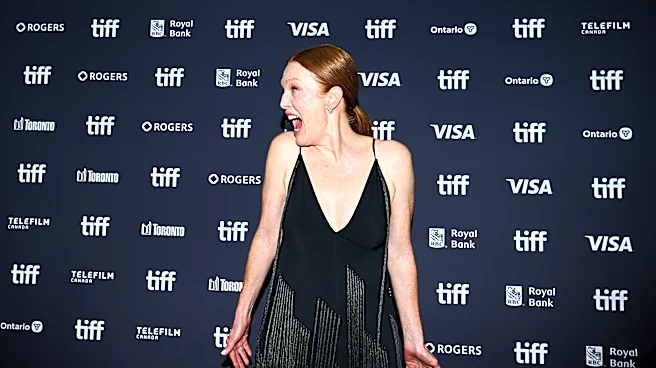
The shift began in the late 1990s and early 2000s as TIFF’s position in the awards season calendar became undeniable. Positioned perfectly in September, the festival evolved into a crucial launchpad for films with Oscar aspirations. With that came Hollywood's A-list, and, crucially, their stylists. A strong showing at TIFF could generate significant buzz that carried a film and its stars through to the Golden Globes and the Academy Awards. Suddenly, a premiere in Toronto wasn't just a screening; it was the opening bell of a months-long campaign. The red carpet transformed from a simple entryway into a strategic playing field, where a memorable look could land a star on front pages and best-dressed lists worldwide, cementing their status and their film's relevance.
The Custom Gown as a Strategic Weapon
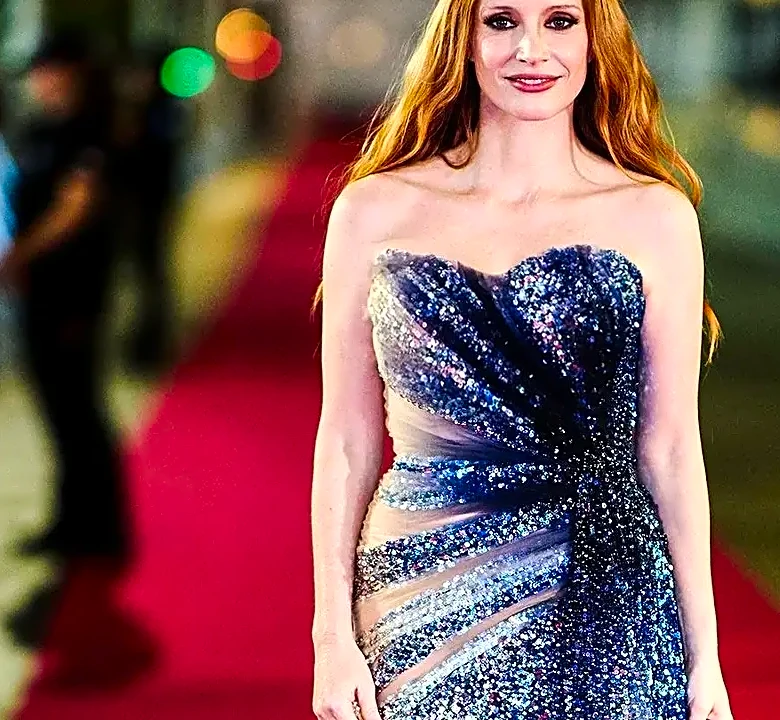
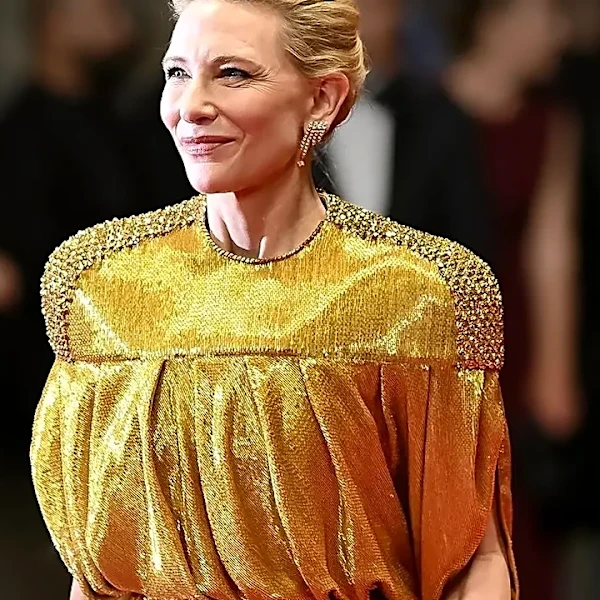
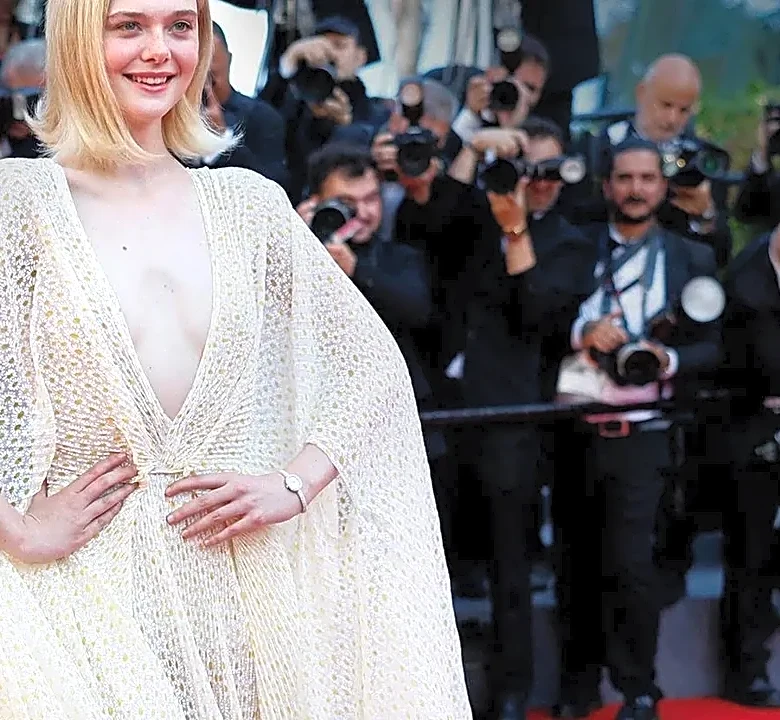
This is where custom premiere dressing truly takes center stage. As the stakes grew, off-the-rack was no longer enough. A custom gown—a one-of-a-kind creation designed in collaboration between a major fashion house and a celebrity's stylist—became the ultimate power move. It guarantees exclusivity, ensuring no one else will be wearing the same look. More importantly, it allows for the crafting of a specific narrative. A custom Louis Vuitton dress for an ambassador like Chase Infiniti or a bespoke Chanel gown for Ayo Edebiri isn't just a pretty outfit; it's a statement of brand alignment, artistic sensibility, and A-list status. These looks are meticulously planned to create a singular, unforgettable moment that dominates social media and news cycles, functioning as powerful marketing for both the star and the fashion brand.
TIFF's Unique Fashion Identity
While other major festivals have their own distinct fashion personalities—Cannes with its formal European grandeur, Venice with its cinematic drama—TIFF has carved out its own niche. The style is often described as slightly more accessible and contemporary. Stars might take more risks, blending high-fashion couture with a cooler, more modern edge. The proximity to New York Fashion Week often means the trends are incredibly current. You'll see a dramatic Tony Ward couture gown on Fan Bingbing one moment, and a sleek, understated Fendi tunic on Jodie Comer the next, reflecting a breadth of style that feels uniquely North American. It’s a mix of serious awards glamour and individualistic expression.
The 2026 Landscape: Couture and Custom Reign
The most recent TIFF in September 2026 underscored just how central custom and high-fashion looks have become. The red carpets were filled with bespoke creations and fresh-off-the-runway couture. Luke Evans appeared in a custom Mithridate look for an opening night premiere. Ayo Edebiri wore a Chanel Fall 2026 Couture gown, while Chase Infiniti donned a custom Louis Vuitton piece. These moments highlight that custom dressing is no longer an exception at TIFF; it is the standard for top-tier talent. It signifies a star’s arrival and a film's importance, proving that in modern Hollywood, the journey to the Oscars often begins with a perfectly executed, one-of-a-kind dress on a Toronto red carpet.