






Design for the Human, Not Just the Hero
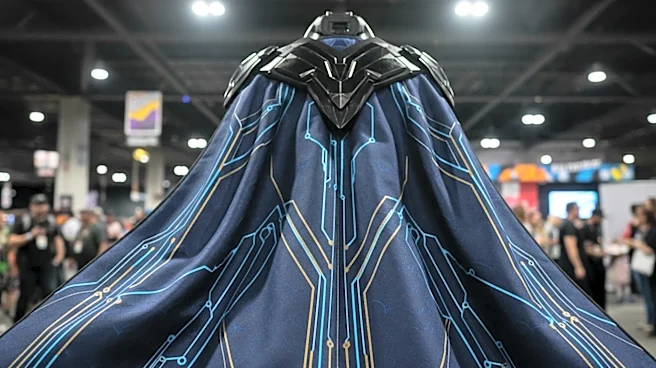
The dream of a perfect cosplay often begins with a cool character, but it should be immediately followed by a reality check. Before you commit, study your character's design with mobility in mind. Are their joints covered in rigid armor? Do they have
a massive, flowing cape that might get caught in crowds or escalators? The most successful cosplays often involve clever adaptations. You don't have to sacrifice the look, but you can choose a version of the character—or creatively interpret the design—that allows for a greater range of motion. Consider breaking up large armor plates into smaller, overlapping segments that can slide over one another. This “articulation” is the key to being able to bend your knees or elbows, and it's a design principle used in both real-world armor and high-end cosplay. The goal is to avoid building a beautiful statue that you’re trapped inside.
Choose Your Materials Wisely
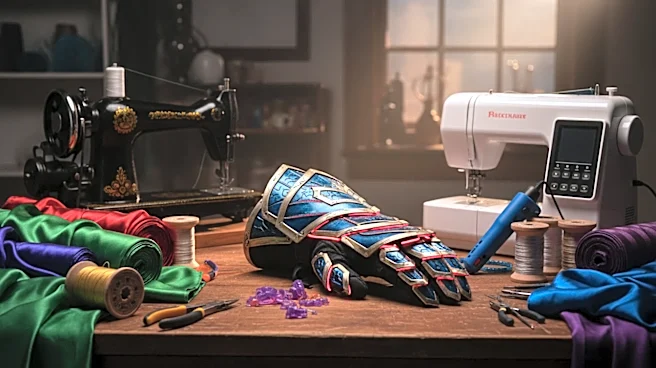
The difference between a comfortable eight-hour day and a painful two-hour ordeal often comes down to materials. For armor and props, the modern standard is EVA foam. It's lightweight, flexible, and can be shaped with a heat gun to create complex curves. High-density EVA foam is preferred for structural pieces as it holds its shape better, while thinner, more flexible foams are great for detail work. Avoid unnecessarily heavy materials like wood or thick plastics unless they are absolutely essential for a small prop. For fabric components, consider textiles with a bit of stretch. Even a small amount of spandex in a bodysuit or leggings can make a world of difference when you're trying to sit down or bend over. Remember that conventions are often hot and crowded; breathability is a feature, not a bug.
Engineer Your Costume in Sections
A full-body costume should not be a single, inescapable prison. Think of it as a collection of modules you can put on and, more importantly, take off. Use strong snaps, heavy-duty velcro, or even powerful magnets to connect pieces. This allows you to remove a cumbersome gauntlet to use your phone, or detach a chest plate to sit more comfortably during a panel. Planning for closures is critical. Hidden zippers are a classic, but think about their placement. Can you reach them yourself, or will you need a handler every time you need a break? For very large or complex outfits, this modular approach is also essential for transportation and storage. This is especially true for bathroom breaks, a detail many first-time cosplayers overlook until it's too late. Planning access points from the start is a sign of a truly pro-level mindset.
The Pre-Con Dress Rehearsal Is Mandatory
One of the most common and easily avoidable mistakes is not trying on your full cosplay before the convention. This isn't just about checking the fit; it's a full-on stress test. Wear the entire outfit—including wig, shoes, and props—for at least an hour. Walk around. Try to climb a stair. And, most critically, attempt to sit in a variety of chairs. Does a strap dig into your shoulder? Does an armor plate pinch your waist when you bend? This is your chance to identify and fix these problems at home, where you have all your tools. The dress rehearsal also lets you practice moving. You'll quickly discover your blind spots, how much space you need to turn around, and whether you can pick something up if you drop it. Fixing these issues beforehand is the difference between having a fun day and spending it in a state of constant, miserable adjustment.