




Beyond the Obvious Cues
In the age of minimalist aesthetics and “quiet luxury,” we’re told to invest in timeless basics. But what separates a $20 white T-shirt that looks cheap from one that looks like a million bucks? It’s rarely about the brand name stitched inside the collar.
True quality whispers, it doesn’t shout, and it communicates its value through something more fundamental than a logo: the fabric’s physical character.Expensive-looking clothing isn’t necessarily expensive. Instead, it possesses an integrity that cheap, fast-fashion alternatives lack. Learning to spot this difference is the single most powerful skill you can develop for building a sophisticated wardrobe. It allows you to find gems at any price point—from a vintage store find to a high-street basic—and ensures every piece you own works harder for you.
The Real Secret: Texture and Structure
Here’s the reveal: the secret isn’t one specific material, like cashmere or silk. It’s the fabric’s *texture and structure*. These two elements are what stylists and designers intuitively assess when they touch a garment. Texture refers to the surface feel and the visual weave of the material, while structure refers to its weight, drape, and ability to hold a shape.Think of it this way: a flimsy, almost-sheer cotton shirt has poor structure. It clings, wrinkles instantly, and reveals every line underneath. A shirt made from a denser, more substantial cotton, however, hangs cleanly from the shoulders, skims the body, and creates a crisp silhouette. The material has presence. This is the detail that elevates a simple outfit from forgettable to polished. You can learn to spot it by training your eye and, more importantly, your hand.
Look for a Substantial 'Handfeel'
“Handfeel” is industry-speak for how a fabric feels when you touch it. A garment with a good handfeel feels substantial. It has a pleasing weight—not necessarily heavy, but present. When you hold it, it doesn’t feel flimsy or brittle. A quality knit sweater, for instance, should have a certain density; a good pair of trousers should feel smooth and robust, not thin and papery.How to test for it: next time you’re shopping, don’t just look at an item on the hanger. Pick it up. Rub the fabric between your fingers. Does it feel rich and tightly woven, or does it feel like it could snag or tear with a single wrong move? Hold a T-shirt up to the light. If you can clearly see through it, it lacks the structure to look expensive. A substantial handfeel is a hallmark of fabric that is built to last and, crucially, to look good while doing it.
Prioritize an Elegant Drape
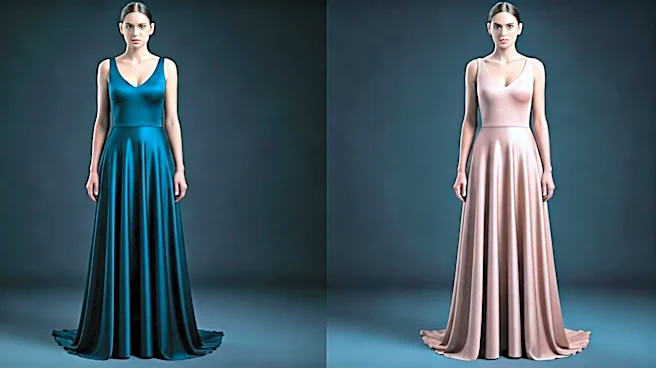
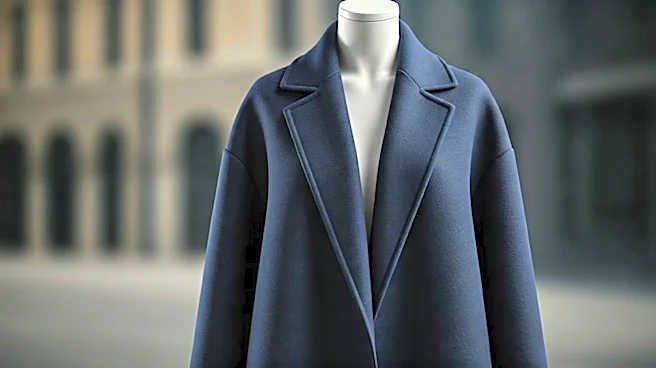
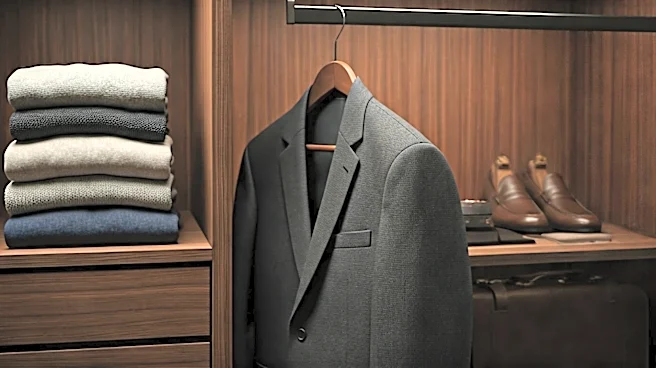
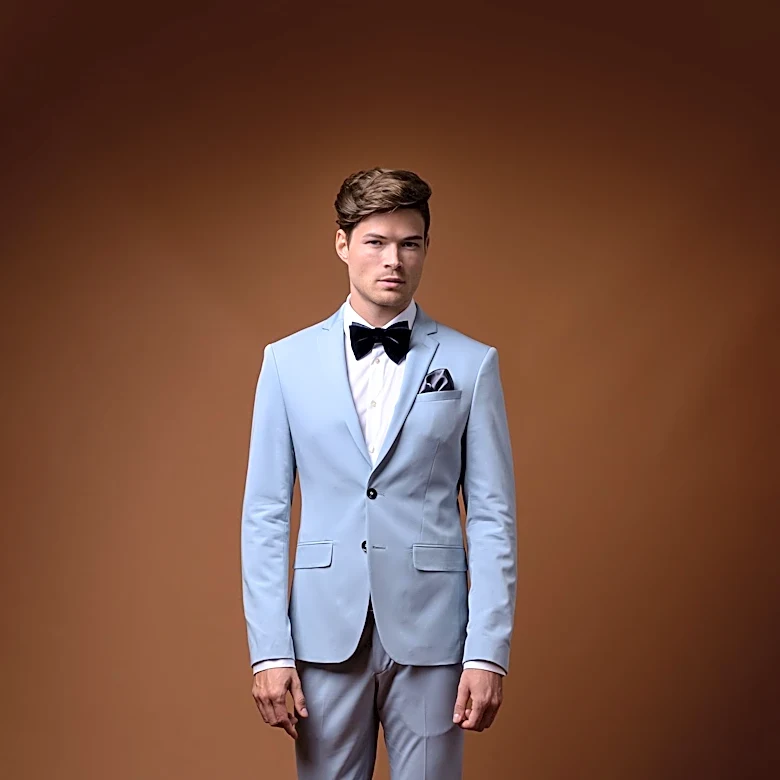
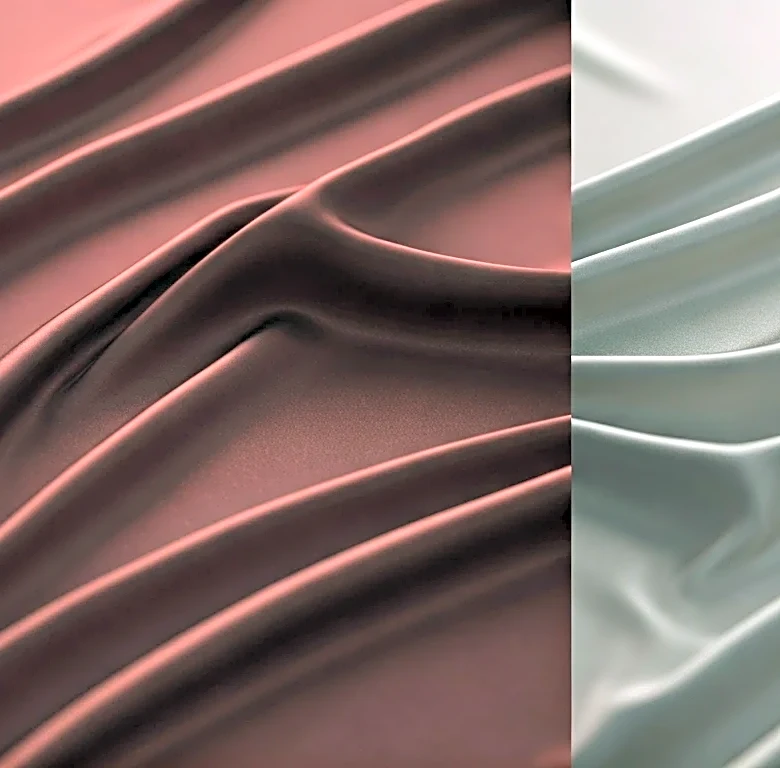
Drape is the way a fabric hangs and falls under its own weight. It’s the single most important factor in creating a flattering and sophisticated silhouette. High-quality fabrics with good structure have an elegant drape; they move with you, creating fluid lines and graceful movement.Poor-quality fabrics, by contrast, either have no drape (they are stiff and hang awkwardly, like cheap polyester) or they have a limp, clingy quality (like thin, over-stretched jersey). A well-draped blazer will hang perfectly from your shoulders, a good pair of wide-leg pants will flow as you walk, and a simple silk or cupro blouse will skim your body without clinging. This quality is what makes a minimal outfit look intentional and architectural, rather than simply plain.
Examine the Weave and Finishing
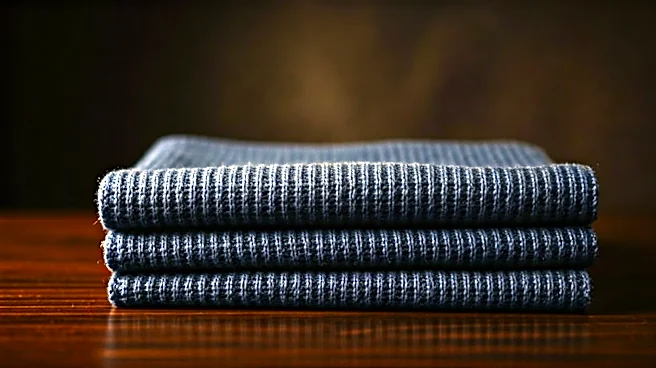
Get close—really close. The integrity of a fabric is visible in its weave. Look at the threads. Are they uniform, tight, and consistent? Or are they loose, with visible pulling, pilling (even on a new garment), or unevenness? A tight, dense weave is a sign of quality yarn and manufacturing. It means the garment will hold its shape and resist wear far better than its loosely-woven counterparts.While you’re at it, check the seams. Are they straight, neat, and dense? On a well-made garment, the stitching will be nearly invisible and the seams will lie flat without puckering. These small details of construction, combined with the fabric's inherent structure, are the quiet indicators that separate a throwaway item from a wardrobe cornerstone.