


The Power of Place
You can’t separate Tribeca from New York City. Unlike festivals in more remote locations, Tribeca uses the city itself as its sprawling, chaotic, and glamorous backdrop. A screening isn’t just in a dark room; it’s in a dark room a block away from where
the nation’s media lives, works, and eats. This proximity is invaluable. A positive tweet from a major critic or influencer attending a screening can spark a conversation that travels from Lower Manhattan to the rest of the world by lunchtime. The energy of the city infuses the festival, making every premiere feel less like a simple movie showing and more like an essential part of the cultural conversation happening right now, on the streets just outside the theater doors. For a documentary filmmaker trying to get their story noticed, being at the center of the media universe, even for a few days, is a game-changer.
The Celebrity Halo Effect
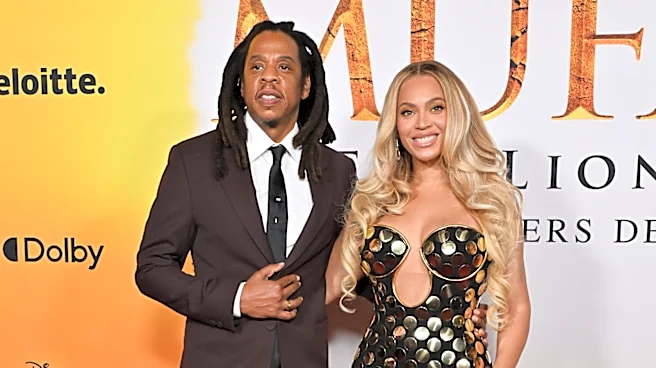
Let’s be honest: star power moves the needle. Tribeca, co-founded by Robert De Niro, has celebrity baked into its DNA. While some festivals pride themselves on being purely about artistic discovery, Tribeca masterfully blends A-list red carpets with indie gems. This might seem like a contradiction, but it creates a powerful “halo effect.” When a small documentary about, say, urban beekeeping is programmed in the same festival guide as a premiere starring Hollywood royalty, some of that stardust inevitably rubs off. Journalists, industry buyers, and audiences who come for the big names stay for the discoveries. The festival becomes a one-stop shop, and the modest doc benefits from the heightened media presence and industry traffic. Suddenly, it’s not just “another documentary”; it’s a “Tribeca selection,” sharing a program with the biggest names in the business.
More Than Just a Screening
At Tribeca, the film is often just the beginning. The festival excels at “eventizing” its screenings, particularly for documentaries. This means turning a 90-minute film into a three-hour experience. A screening might be followed by an extended Q&A with not only the director but also the film’s subjects and high-profile experts on the topic. A documentary about a musician could culminate in a surprise live performance. A film about a social issue might be paired with a panel of activists and policymakers. These additions transform passive viewing into active engagement. They generate press angles that go beyond a simple review, creating headlines like “Patti Smith Performs After Screening of Climate Doc at Tribeca.” This strategy ensures the film becomes a memorable moment, giving distributors and marketers a compelling story to sell long after the credits roll.
A Mission-Driven Core
It’s impossible to forget Tribeca’s origin story. Founded in the wake of 9/11 to help revitalize Lower Manhattan, the festival has a core of community, resilience, and purpose that many other events lack. This mission-driven identity makes it a natural home for documentaries that aim to do more than just entertain. The festival’s programmers seem to have a special affinity for films that explore social justice, celebrate unsung heroes, and probe the complexities of the human spirit. When a documentary with a strong message premieres at Tribeca, it feels like it’s found its tribe. The festival’s inherent narrative of rebuilding and hope amplifies the themes of these films, creating an emotional resonance with audiences and critics alike. It suggests that the films shown here aren’t just content; they matter.