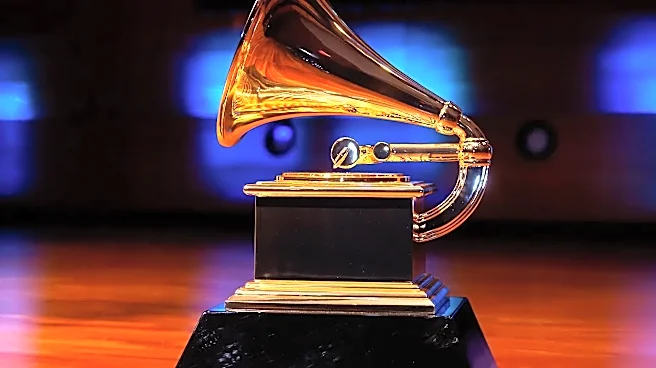

The Latin Grammys are more than just a TV show; they're a cultural and economic powerhouse. While millions watch the broadcast, the real marketing magic happens off-screen, creating a playbook for how brands
can win big in today's economy.
The Global Stage is Now Digital
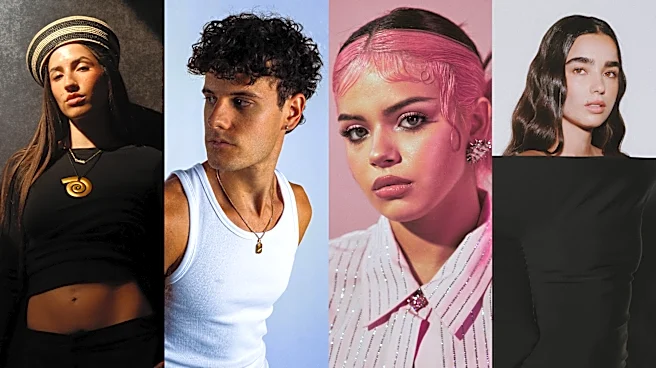
The 27th Annual Latin GRAMMY Awards are a massive television event, but its digital footprint is even bigger. Broadcaster TelevisaUnivision reported a more than 40% increase in digital and social revenue for this year's show, signaling a major shift in focus. Official partners like Meta are creating exclusive content, such as Reels on Instagram and Facebook, that extend the show's life far beyond the live broadcast. This includes everything from backstage glimpses to digital-first content series. For example, sponsors have backed a 'Primeras Veces' series that celebrates first-time winners and Best New Artist nominees. For brands, this means the red carpet is no longer a physical place but a collection of hashtags, livestreams, and influencer takeovers that reach a global audience instantly. This strategy is about becoming part of the conversation, not just interrupting it with a commercial.
Experiential Marketing Takes Center Stage
In 2026, the real action for many brands isn't on TV, but on the ground. Experiential marketing—creating live, interactive brand moments—has become a primary focus. For the Latin Grammys, this means the host city of Las Vegas transforms into a marketing playground. Sponsors like Rémy Martin are activating across the entire Latin GRAMMY Week, hosting experiences at the Best New Artist Showcase, the Person of the Year Gala, and the official after-party. Other brands like Starbucks have previously created physical spaces like a Red Carpet Coffee Bar. These activations are designed to create genuine human connection in an increasingly digital world. The goal is no longer just foot traffic; it's about creating memorable, 'Instagrammable' moments that attendees share organically, turning personal experiences into widespread brand exposure.
Authentic Artist Partnerships Drive Engagement
Today’s audiences can spot a purely transactional endorsement from a mile away. The most successful brand partnerships at the Latin Grammys are built on authentic collaboration with artists. Hyundai, for example, is continuing its 'El Futuro En Movimiento' campaign, which follows a Best New Artist nominee on their journey to the awards, using the artist's personal story to connect with fans. Similarly, cognac brand Rémy Martin partnered with Colombian artist Kapo for a content series exploring the personal influences behind his achievements. These partnerships work because they focus on storytelling rather than simple product placement. By aligning with an artist's journey and creative spirit, brands can tap into a dedicated fanbase and build credibility within a culture that is seeing explosive growth. U.S. Latin recorded music revenues climbed 8.6% to over $542 million in the first half of 2026 alone, outpacing the overall market.
From Sponsored Posts to Sponsored Culture
The ultimate goal for brands at an event like the Latin Grammys is to move from being a sponsor to becoming an integrated part of the cultural moment. This requires a deep understanding of the audience and the music. It’s not just about sponsoring the main event, but also adjacent, crucial gatherings like the Leading Ladies of Entertainment initiative, which recognizes influential women in the industry. It’s also about understanding how fans engage with music today. With 96% of Latin music revenues in the U.S. coming from streaming, digital platforms are the primary battlefield for audience attention. Brands that succeed, like Mastercard with its pre-sale ticket access for cardholders or Bulova sponsoring the Backstage Livestream, are providing real value to fans. They are facilitating access, creating unique content, and celebrating the artists, ensuring their marketing efforts feel less like an ad and more like a genuine appreciation of the culture.