




The High Price of Platinum
To understand the revolution, you first have to appreciate the problem. Bleaching is a deliberately aggressive process. To lift dark pigment, chemical agents like hydrogen peroxide and ammonia are used to swell and open the hair's protective outer layer,
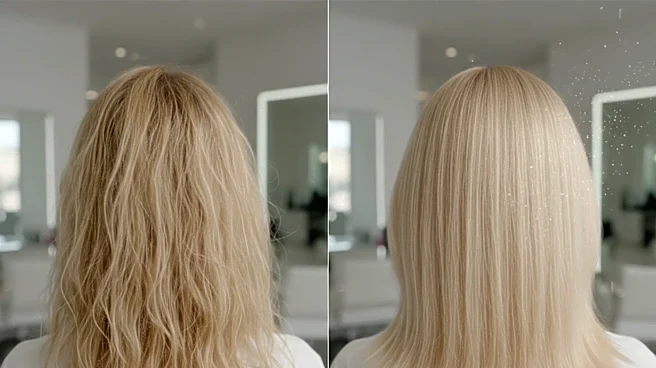
the cuticle. Once inside, they oxidize the melanin that gives hair its color, rendering it colorless. This process is fundamentally damaging, breaking down the structural protein bonds (disulfide bonds) that give hair its strength and integrity. The result is hair that is not only lighter but also more porous, brittle, and prone to breakage. For decades, the only answer to this level of damage was intensive moisturizing conditioners or, more often, a significant haircut.
The Bond-Builder Breakthrough
The game changed in 2014 with the launch of Olaplex. Developed by chemists, it introduced a new molecule, bis-aminopropyl diglycol dimaleate, which was designed to do something entirely new: repair the broken disulfide bonds at a molecular level. Initially a salon-only treatment mixed directly into bleach and color, it allowed stylists to push lightening services further with significantly less damage. This wasn't just another deep conditioner that coats the hair; it was a technology that rebuilt the hair's internal structure from the inside out. This created a new category in hair care called “bond-building,” fundamentally shifting the focus from masking damage to actually repairing it.
From Niche Solution to Mainstream Staple
What started as a tool for extreme bleaching cases didn't stay in the salon for long. The demand for at-home solutions grew, and bond-building technology migrated from professional-only treatments to shampoos, conditioners, and masks available to everyone. This shift was quiet but powerful. Suddenly, the language of “bond repair” was everywhere, promising to strengthen hair regardless of whether it was colored. People with damage from heat styling, environmental factors, or even just daily brushing could now benefit from technology originally created for the most chemically stressed hair. This innovation addressed a universal desire for healthier, stronger hair, creating a massive new market.
The Ripple Effect on Hair Health
The focus on bleached hair created other mainstream trends, too. Purple shampoo, once a niche product for correcting brassiness in blondes, is now a staple. Based on simple color theory—purple cancels out yellow—it allows people to maintain cool-toned blonde, silver, or even highlighted brown hair at home. Its popularity, boosted by social media, turned a salon secret into a common household product. This, combined with the rise of intensive hair masks and leave-in treatments, signifies a broader industry shift. The new standard is no longer just about cleaning hair; it’s about holistic hair health, with a focus on scalp care, proactive protection, and repairing damage at its source.