



A Rivalry Forged by History
To understand why Portugal vs. Spain matters so much, you have to look at a map. They are the sole occupants of the Iberian Peninsula, neighbors bound by geography but separated by language and a history of fighting for their own identities. For centuries,
their relationship has been a classic tale of sibling rivalry. Spain, the physically larger nation, has often been cast as the dominant older brother, while Portugal has fiercely protected its sovereignty and distinct culture. This dynamic, stretching back to Portugal's independence in the 12th century and through periods of conflict like the Iberian Union and the War of the Oranges, created a unique tension. Today, that tension has softened into a more cooperative relationship, but the old feelings of pride and competition find their perfect outlet on the soccer pitch. A win for Portugal isn't just a win; it's a statement. A win for Spain is a reassertion of its historical standing.
The Iberian Derby on the Pitch
The football rivalry officially began in 1921 with Portugal's first-ever international match—a 3-1 loss to Spain in Madrid. For decades, Spain dominated, even handing Portugal a staggering 9-0 loss in a 1934 World Cup qualifier. But the narrative has become far more balanced over time. While Spain still holds the edge in overall wins, the matches since the mid-20th century have been incredibly even, filled with draws and narrow victories for both sides. This isn't a rivalry defined by blowouts (that 1934 game notwithstanding) but by tense, strategic, and often heart-stoppingly close contests where national pride is the ultimate prize. The games are less about animosity and more about a deep, ingrained desire to be the best on the peninsula.
Clash of the Titans: Memorable Matches
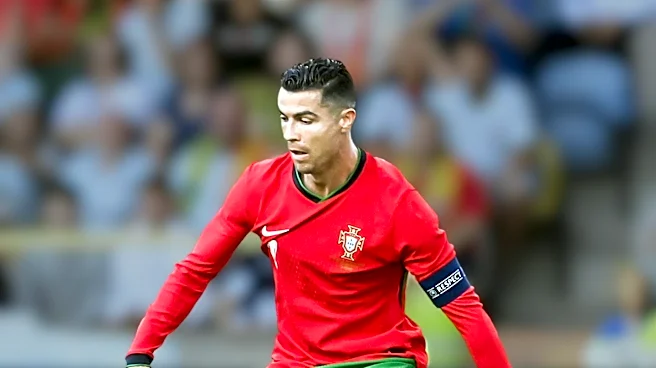
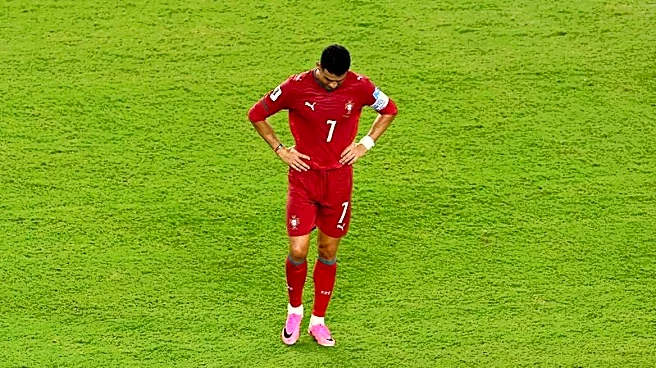
For the modern fan, two matches perfectly capture the essence of this rivalry. The first is the 2018 World Cup group stage thriller. Spain, the polished team of superstars, faced a Portugal led by the singular force of Cristiano Ronaldo. What unfolded was a masterpiece. Ronaldo opened the scoring with a penalty, but Spain roared back. The game culminated in the 88th minute with Portugal down 3-2. Ronaldo, who had already scored twice, lined up a free-kick and curled a perfect shot into the net to complete a historic hat-trick and rescue a 3-3 draw. It was a battle of individual brilliance against collective might. The second defining match was the Euro 2012 semifinal. This was Spain at the peak of their “tiki-taka” dynasty, a team that passed opponents into submission. Portugal held them to a grueling 0-0 draw through 120 minutes of intense, tactical soccer. The game went to a penalty shootout, where Spain ultimately prevailed after Portugal's Bruno Alves hit the crossbar. Famously, Cristiano Ronaldo was scheduled to take the fifth and final penalty but never got the chance, a decision debated for years. It was a heartbreaking loss for Portugal and a testament to Spain's nerve during their golden era.
A Contrast in Footballing Philosophies
The rivalry also showcases a fascinating clash of soccer identities. Spain became world-famous for its tiki-taka style—a philosophy built on possession, patience, and intricate team passing, exemplified by midfielders like Xavi and Andrés Iniesta. Their success was about the collective, a system where every player was a moving part in a beautiful machine. Portugal, by contrast, has often been defined by its icons, producing some of the greatest individual talents the sport has ever seen. From the legendary Eusébio in the 1960s to Luís Figo in the 2000s and, of course, Cristiano Ronaldo, Portugal's story is one of explosive, game-changing stars. While they've built strong teams around these figures, their identity has often been tied to moments of individual genius, a stark contrast to Spain's methodical team-first approach.