
First, a Refresher on Tubing Mascara
Before we get into wands, let's talk about the formula itself. Unlike traditional mascaras that paint your lashes with waxes and pigments, tubing mascaras use a special polymer-based formula. When you apply
it, these polymers wrap around each individual lash, forming a tiny, flexible "tube." This is why tubing mascaras are famous for their smudge-proof, flake-proof wear and ridiculously easy removal. A little warm water and gentle pressure are all you need to slide the tubes right off your lashes. The magic is in how these tubes form, and the applicator plays a huge role in that process.
The Classic Bristle Wand: Built for Bulk
Think of a traditional bristle wand, usually made from nylon fibers twisted around a wire core. They're often thick, fluffy, and dense. Their main advantage is that they pick up and deposit a lot of product quickly. When paired with a tubing formula, this design is engineered for volume. The dense bristles load up the mascara and paint it on generously. This can create a fuller, more dramatic look because you're applying more of the tube-forming polymers at once. The downside? This heavy application can sometimes cause the lashes to stick together before the tubes fully set, leading to clumps. If you want a fast track to voluminous lashes and don't mind a little less definition, a bristle wand can be your best friend.
The Modern Rubber Wand: The Definition Artist
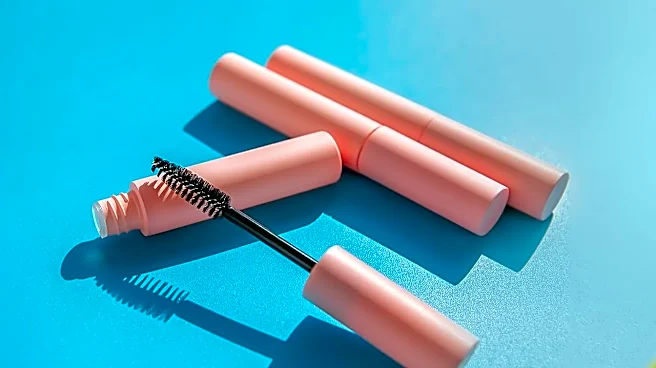
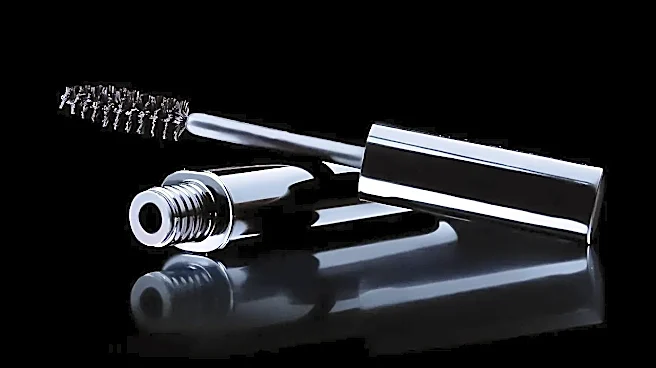
Now, let’s look at the rubber (or silicone) wand. These are molded, not twisted, and their "bristles" are more like precise, uniform spikes or combs. These wands are designed for separation and length. Because the spikes are more spaced out and less porous than fibers, they pick up less product and comb through the lashes with surgical precision. When you use a rubber wand with a tubing mascara, it acts like a perfect little separator, ensuring each lash gets its own clean, even coating. This allows the polymers to form neat, individual tubes without interfering with each other. The result is a beautifully defined, lengthened, and clump-free look that often appears more natural. You may need an extra coat to build intensity, but the control you get is unparalleled.
So, Why the Big Difference?
The core difference comes down to product load versus precision. A bristle wand essentially 'loads' the lashes with formula, while a rubber wand 'combs' the formula through them. Tubing mascaras tend to set relatively quickly as the polymers form their structure. A bristle wand’s heavy-handed approach can overwhelm the lashes before they have a chance to separate, creating a single, voluminous mass. A rubber wand’s meticulous application gives each tube space to form perfectly around its lash. Neither is inherently 'better'—it all comes down to the look you're trying to achieve. One delivers volume through bulk, while the other creates the illusion of length through clean separation.
How to Choose the Right Wand for You
Making the right choice is simply a matter of knowing your lash goals. If you crave bold, thick, dramatic lashes and are willing to work carefully to avoid clumps, a tubing mascara with a fluffy bristle wand is your ticket. It will give you that false-lash effect with the bonus of smudge-proof wear. On the other hand, if your priority is clean definition, noticeable length, and a 'my-lashes-but-better' finish, you'll almost certainly prefer a rubber or silicone wand. It’s the ideal tool for separating each lash and making them appear longer and more defined without any risk of a spidery mess. Some savvy users even clean and swap their favorite wand into a new tube of mascara to get the best of both worlds.