







The Comic That Reset Everything
In 2008, Marvel Comics made a seismic shift with a storyline called "Brand New Day." Following the controversial "One More Day" arc—in which Peter Parker makes a literal deal with the devil, Mephisto, to save Aunt May's life—his entire reality was rewritten.
The cost of the deal was his marriage to Mary Jane Watson, which was erased from history. Suddenly, Peter was single again, his secret identity was restored to the world, and he was back to being a broke photographer scrambling to make rent and get pictures of Spider-Man for the Daily Bugle. The creative intent was clear: to bring Spider-Man back to his roots as a struggling, relatable underdog.
Fan Backlash and a Business Decision
To say the storyline was controversial is an understatement. Many longtime readers were furious, feeling that erasing Peter and MJ's marriage invalidated decades of character development they had invested in. It felt like a regression, a move that sacrificed emotional growth for a return to a familiar, arguably safer, status quo. However, from Marvel's perspective, it was a strategic move. An unmarried, down-on-his-luck Peter Parker is simply more accessible to new readers than a married man approaching middle age. That core relatability—the hero who struggles with the same mundane problems we do—is the engine of Spider-Man's enduring appeal. By making him more grounded, they made him a more durable commercial asset.
The MCU's Accidental 'Brand New Day'
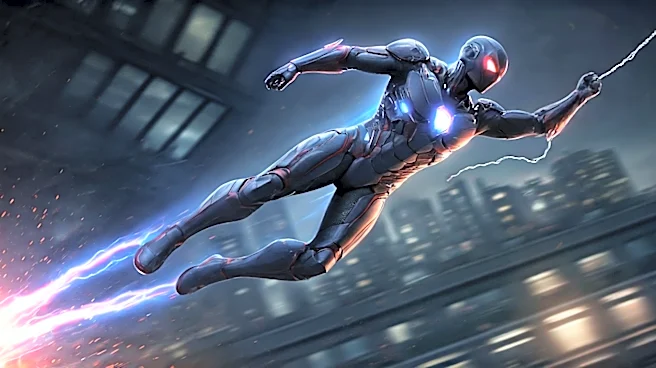
This is where the magic of No Way Home's ending comes into play. The film brilliantly maneuvered the MCU's Peter Parker into a nearly identical starting position as the "Brand New Day" comics, but it did so without the baggage of a demonic pact. Because of Doctor Strange's spell, no one remembers Peter Parker. He is completely alone, financially destitute, and has sewn his own simple, back-to-basics costume. His relationships with MJ and Ned are gone, not through a magical retcon, but through his own noble, painful choice. The upcoming film, officially titled Spider-Man: Brand New Day, seems poised to lean into this. Marvel Studios has effectively achieved the results of the controversial comic storyline—a fresh start—through a narratively earned, emotionally resonant sacrifice.
From Cosmic Threats to Street-Level Stakes
After fighting aliens in space, battling villains from across the multiverse, and saving all of reality, where could Spider-Man possibly go next? The answer is: back to the streets. A grounded approach allows for a necessary downshift in scale. Instead of world-ending stakes, the next film can focus on personal, intimate conflicts. This opens the door for classic street-level villains who have been waiting in the wings, like Kingpin, Tombstone, or Scorpion—the last of whom was already set up in Spider-Man: Homecoming. This shift would re-center Peter as a friendly neighborhood Spider-Man, protecting the little guy. It makes his victories feel more personal and his struggles more palpable, reinforcing the core theme that Tom Holland says is about young people finding their identity. This change in focus from cosmic Avenger to street-level hero is precisely what could keep the character fresh and prevent superhero fatigue.