



Rule 1: Start with a Neutral Canvas
Before you start mixing and matching, give yourself a simple foundation. The easiest way to let different textures shine is by working within a neutral, monochrome color palette. Think all-black, head-to-toe cream, or shades of grey. This approach removes
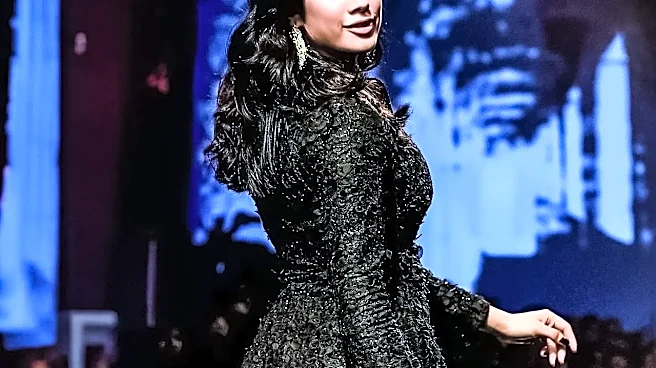
the distraction of competing colors and forces the textures to be the main event. An outfit of black denim jeans, a black silk camisole, and a black leather jacket is visually much more engaging than if all three pieces were a simple cotton, precisely because the light plays differently off the rugged denim, the smooth silk, and the slight sheen of the leather. This was a common sight on the streets of London, where show-goers grounded their looks in dark, moody colors, allowing the interplay of fabrics to create depth.
Rule 2: Master the Two-Texture Combo
The simplest and most classic way to start is with a two-texture combination that plays on contrast. The key is to pair materials that are clear opposites in feel and finish. Think of it as a 'high/low' mix. Some foolproof pairings include the ruggedness of denim with the softness of cashmere or silk, or the structure of leather with the delicate feel of lace or cotton. This season, chunky, cozy knits are everywhere; try pairing a heavy-knit sweater with a sleek satin skirt to balance the look. The contrast between a hefty, matte fabric and a light, fluid one is the secret to an outfit that looks intentionally styled rather than thrown together.
Rule 3: Graduate to Three Textures
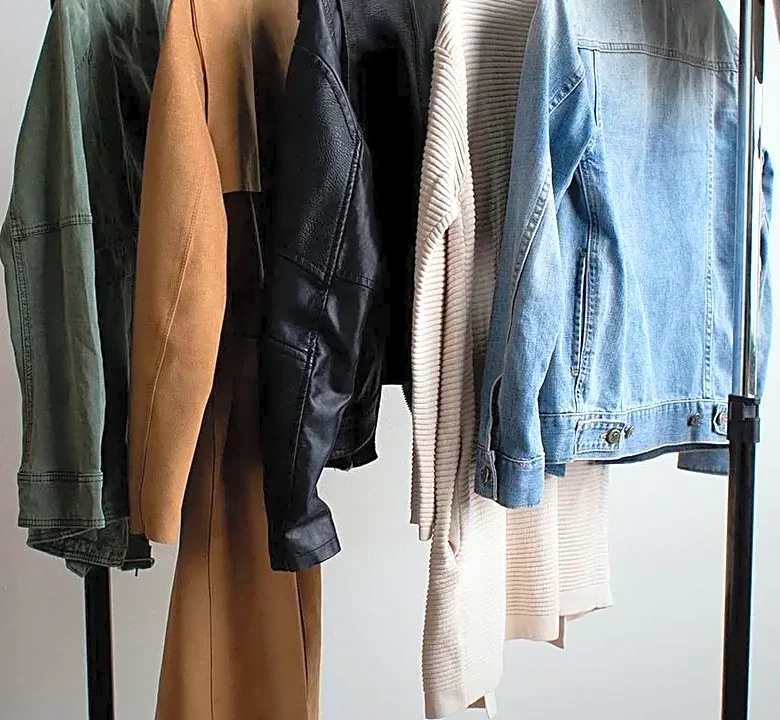
Once you're comfortable with two textures, adding a third is the next step to a truly advanced look. The trick here is to choose one dominant texture and have the other two act as supporting characters. For example, if you're wearing a standout piece like a faux fur or quilted coat, keep the other textures more subtle. You could build on a classic base: start with denim jeans (texture one), add a simple cotton t-shirt (texture two, a neutral base), and then throw on a statement layer like a suede jacket, a tweed blazer, or a chunky cardigan (texture three). This layered approach is a hallmark of London style, where unpredictable weather demands practical but stylish layering.
Rule 4: Play with Sheen and Structure
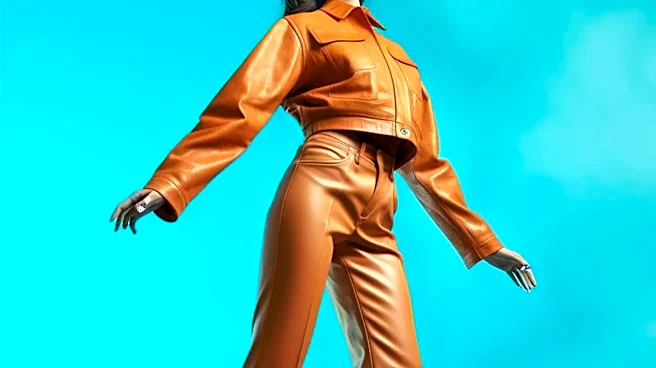
A more subtle way to think about texture is to consider how a fabric catches the light. Mixing shiny and matte surfaces creates a sophisticated, dynamic effect. Pair a glossy patent leather skirt with a flat, matte wool sweater. Or try a liquid-like satin blouse tucked into a pair of structured corduroy trousers. Recent runways have shown a love for materials like croc-printed leather, buttery suede, and technical satins, often in full ensembles. You can borrow this idea on a smaller scale by ensuring your outfit has at least one piece with a bit of shine to contrast against more traditional matte fabrics like cotton or wool.
Rule 5: Don't Forget Textured Accessories
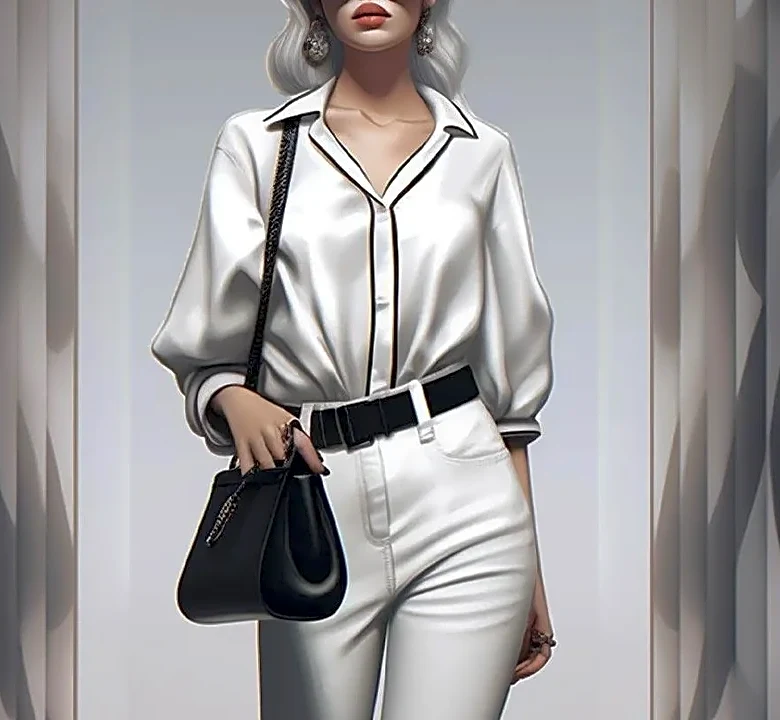
If you're still feeling hesitant, accessories are the lowest-risk way to experiment with texture. A woven leather bag, a fuzzy shearling-lined boot, a silk scarf, or a pair of suede gloves can introduce a new tactile element without requiring a full outfit overhaul. This season, street style mavens were seen with everything from quilted mini bags and plush, toy-like clutches to bags with fringe and tassel details that create texture through movement. Adding just one of these pieces can elevate a simple jeans-and-sweater combination, giving it a curated, fashion-forward feel.