





The Polite World of 1950s Recording
Before Little Richard kicked down the door, the world of studio recording was a comparatively tame place. In the early 1950s, engineers chased clarity and warmth. Drawing from the traditions of big band and crooners, the goal was to capture a clean, balanced
performance. Mics were used sparingly, often to capture the sound of a whole band playing together in a room. The technology of the time, from vacuum tube amplifiers to early magnetic tape, was built for control and fidelity, not for chaos. Rhythm and blues existed, of course, but even many of those recordings were polished for popular consumption. The sound was punchy but polite. It didn’t yet have the raw, visceral, and sometimes distorted edge that would come to define rock and roll. The studio was a laboratory for capturing pleasant sounds, not a canvas for unleashing raw power.
A Hurricane Named Richard
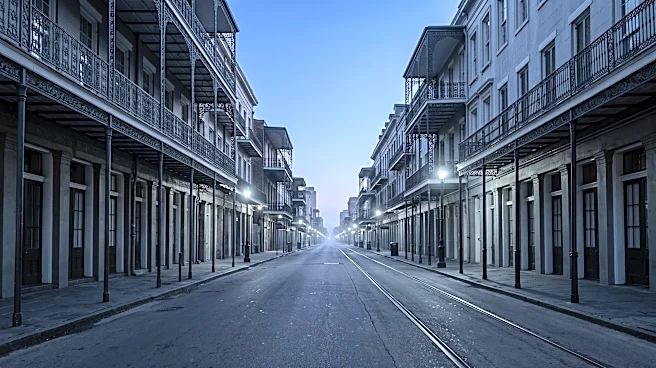
Then, in September 1955, Richard Penniman walked into Cosimo Matassa’s J&M Studio in New Orleans. Matassa was already a legendary figure, having recorded early rock and R&B pioneers like Fats Domino. But Little Richard was a different kind of force. His early takes at the session were competent but uninspired R&B. During a lunch break, however, producer Bumps Blackwell heard Richard unleash a bawdy, electrifying tune on the piano called “Tutti Frutti.” It was the sound they had been missing. Back in the studio, they captured that lightning in a bottle. Richard’s performance was an acoustic and emotional onslaught: a frenetic piano style, a voice that could shift from a smooth croon to a full-throated scream, and an energy that was simply off the charts. He wasn't just singing into the microphone; he was attacking it.
Breaking the Meters
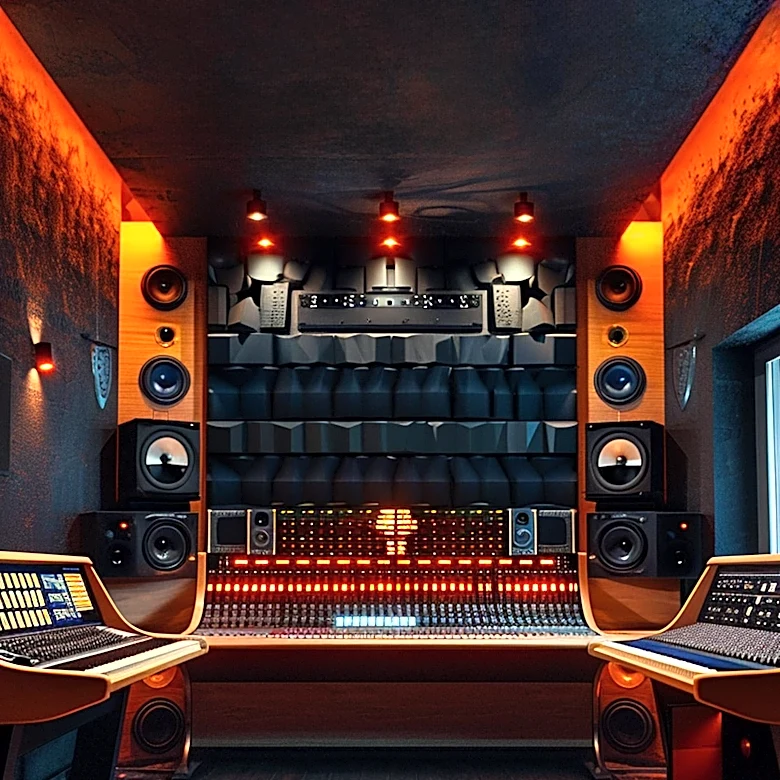
The studio equipment wasn’t ready for him. Little Richard’s sheer volume, especially his voice, was overwhelming. His powerful, high-frequency vocals and pounded piano keys pushed the recording levels into the “red,” an area engineers were trained to avoid at all costs. Going into the red meant distortion—a fuzzy, overloaded sound considered an error. But with Little Richard, that “error” was where the magic lived. Matassa and his team had to adapt. Instead of trying to contain Richard's power, they learned to capture it. The result was a sound that was “hot,” saturated, and on the verge of breaking up. This wasn't the clean audio of the past; this was the sound of pure energy overloading the system. The distortion that other engineers tried to eliminate became a key part of his sonic signature. It gave his records an intensity and excitement that made listeners feel like they were right there in the room.
The New Blueprint for Rock
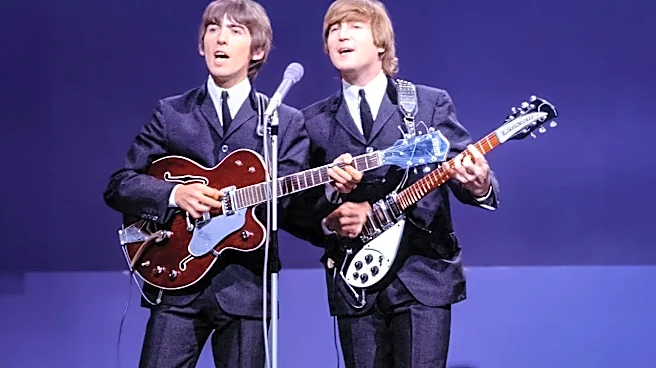
The sound that exploded out of J&M Studio with “Tutti Frutti” and subsequent hits like “Long Tall Sally” and “Good Golly, Miss Molly” became the blueprint for rock and roll production. Artists and producers heard those records and realized that loudness, energy, and even a little bit of distortion weren't mistakes; they were ingredients. Musicians were inspired. Saxophonist Grady Gaines, who played with Richard, said he tried to match the force of Richard's voice in his own playing. Future legends, from Paul McCartney to Bob Dylan and Elton John, have all cited Little Richard as a primary influence, not just for his performance style but for that undeniable power in his sound. He forced the recording industry to keep up, creating a demand for technology and techniques that could handle the wild, rebellious spirit he channeled. He proved that a record wasn't just a document of a performance, but a weapon of pure feeling.