



From Fan Fair to Prime-Time Powerhouse
To understand the modern CMA Fest, you have to know about its ancestor: Fan Fair. Started in 1972, Fan Fair was a charmingly homespun affair where fans could get an autograph and a polaroid with their favorite country stars. It was about closing the distance
between the artist and the audience. The ‘authenticity’ was baked in; it was clunky, personal, and profoundly un-televised. Fast forward to today. The Country Music Association rebranded the event as CMA Fest in 2004, a move that signaled a major strategic shift. The goal was no longer just to serve existing fans but to create a massive, media-friendly event that could serve as a three-hour commercial for country music and Nashville itself, broadcast nationally on ABC. This wasn’t just a name change; it was a philosophical overhaul from intimate gathering to polished cultural export.
The Two Festivals Happening at Once
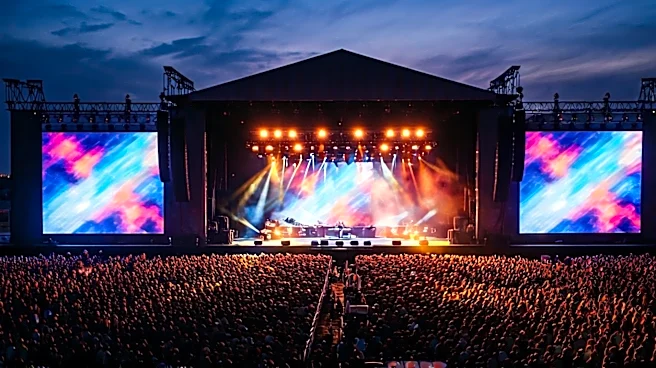
Walk through downtown Nashville during CMA Fest and you’re experiencing two very different events simultaneously. First, there’s the free-for-all. Dozens of stages—on the riverfront, in public parks, spilling out of honky-tonks—offer nonstop music from sunrise to sunset. Here, rising artists and mid-tier acts play for exposure, sweating it out in the Tennessee heat. The vibe is chaotic, democratic, and feels closer to the gritty, always-on energy of Lower Broadway on a random Tuesday. This is the ‘authenticity’ many fans come seeking. Then there’s the main event: the nightly stadium shows at Nissan Stadium. These are ticketed, meticulously produced concerts featuring the biggest names in the genre—the Luke Combses and Carrie Underwoods of the world. Every performance is captured by a legion of cameras, destined to be edited into the slick ABC special. This is the repackaged product: a highlight reel of country music’s most bankable stars performing their biggest hits for a national television audience.
Manufacturing Authentic Moments
The genius of CMA Fest is how it uses the raw material of the daytime chaos to lend credibility to the polished nighttime product. The festival understands that modern fans crave a sense of connection, not just a performance. So, it creates controlled environments for that connection to happen. The Fan Fair X hall at the Music City Center is the modern version of the old-school meet-and-greet, a highly organized labyrinth of booths where fans wait in long lines for a 30-second interaction with an artist. Surprise pop-up shows, where a major star appears on a tiny stage, become viral social media moments. These carefully managed instances of ‘spontaneity’ are designed to provide attendees with a story to tell back home—proof that they experienced something ‘real’ amidst the massive crowds and corporate branding. It’s not fake; it’s manufactured authenticity, and it’s an incredibly effective tool.
The Ultimate Filter: The TV Special
The ultimate act of repackaging happens in an editing bay weeks after the last guitar is unplugged. The ABC broadcast is the festival’s most important product. It takes four days of sprawling, sometimes messy, reality and condenses it into a tight, emotionally resonant narrative. The special smooths out the rough edges. It prioritizes perfect vocals, heartfelt artist interviews about their love for the fans, and sweeping drone shots of a glittering Nashville skyline. The broadcast version of CMA Fest presents an idealized Music City, one where every song is a hit, every fan is ecstatic, and the connection between star and devotee is pure and unbreakable. It’s an irresistible fantasy that sells both the music and the city as a premier American cultural destination. It’s not a lie, but it’s a very specific, commercially potent version of the truth.