
The Allure of the Big Secret
Imagine buying a plane ticket, booking a hotel, and purchasing an expensive festival pass without knowing a single film that will be shown. That’s the central premise of Telluride. The program is a closely
guarded secret until the festival begins, creating a unique sense of anticipation and pure discovery. Attendees arrive on blind faith, trusting the curators to deliver an exceptional lineup. This tradition turns every screening into a world premiere for the audience, free from the preconceived notions and hype that surround other festivals. It’s a shared gamble that fosters a powerful bond among attendees.
An Intimate, Egalitarian Atmosphere
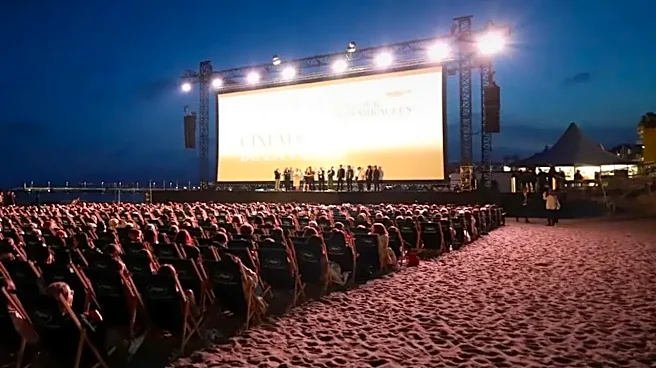
At major festivals like Cannes or Toronto, a clear hierarchy exists between industry insiders, stars, and the general public. Telluride dismantles this. The small mountain town setting fosters a uniquely democratic and collegial atmosphere where filmmakers, actors, critics, and fans mingle in the same lines, coffee shops, and streets. There are no paparazzi frenzies or cordoned-off VIP zones. It's not uncommon to find yourself casually discussing a film with the very person who directed it. This accessibility makes the entire event feel less like a market and more like a retreat for people who simply love movies.
The “SHOW,” Not the “Business”
The festival’s unofficial motto, seen on a sign outside the historic Sheridan Opera House, is simply “SHOW.” This word encapsulates its core ethos: a focus on the art of cinema above all else. Telluride famously forgoes competitive awards, juries, and film markets. This non-competitive spirit creates an environment of celebration rather than rivalry. Films are presented as equals, allowing attendees to appreciate them on their own terms without the pressure of a prize dictating their value. It’s a purist’s delight, where the movie, not the deal-making, is the star.
The Unofficial Start of Oscar Season
Despite its anti-competition stance, Telluride has become one of the most reliable launchpads for awards season contenders. For decades, films that premiere here have gone on to earn major accolades, including numerous Best Picture winners like "Slumdog Millionaire," "The King's Speech," "Moonlight," and "Parasite." This uncanny track record for spotting future Oscar winners makes the festival a crucial first stop for industry voters and awards prognosticators. Attending feels like getting a secret first look at the movies everyone will be talking about for the next six months.
A Breathtaking, Immersive Location
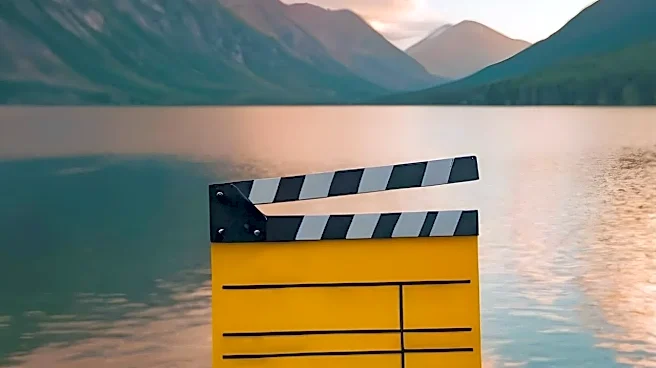
The festival’s setting is inseparable from its identity. Tucked into a stunning box canyon in the San Juan Mountains, the remote and beautiful location is a character in itself. The trip requires effort, which fosters a self-selecting crowd of passionate attendees. The crisp mountain air and towering peaks provide a dramatic backdrop that encourages disconnection from the outside world and total immersion in the cinematic experience. Strolling between historic venues, you are constantly surrounded by natural beauty, which only enhances the magic of the movies.
Curation as an Art Form
While larger festivals might screen hundreds of films, Telluride offers a more focused and meticulously curated program of around 50 features. This “quality over quantity” approach means that every single film is there for a reason. The selection often includes a mix of new American and international cinema, forgotten classics, and documentaries. This careful curation, which even includes a Guest Director each year to bring a unique perspective, ensures a high standard. For attendees, it means fewer programming conflicts and a greater trust in the quality of whatever they choose to see.
A Community Forged by Film
More than just an event, Telluride is a community. The combination of the secret lineup, the remote location, and the egalitarian atmosphere creates a powerful shared experience. Over the four-day weekend, the small town's population triples, filled with people who are all there for the same reason: a deep and abiding love for cinema. They brave the altitude and the cost to spend their days in dark rooms, emerging to debate and discuss what they’ve seen with fellow enthusiasts. This transforms a passive viewing experience into an active, communal celebration of film.