


Projecting Unbreakable Calm
The first and most critical job for any leader—be it a coach or a captain—is to become a human shield against anxiety. Players are physically spent and emotionally frayed. Their heart rates are soaring, and the magnitude of the moment is crashing down.
In this state, they look to their leader, and their emotional state becomes contagious. If the coach is frantic, the team will panic. But if the leader is a picture of stoic composure, it sends a powerful, non-verbal message: 'We are in control. This is not chaos.' Think of coaches like Carlo Ancelotti, whose famously unflappable demeanor provides a psychological anchor. By simply remaining calm, managing their own body language, and speaking in a steady, measured tone, leaders can lower the collective blood pressure of the entire squad before a single tactical word is spoken. This isn't about faking it; it's about understanding that your calm is the team's calm.
Replacing Fear with a Plan
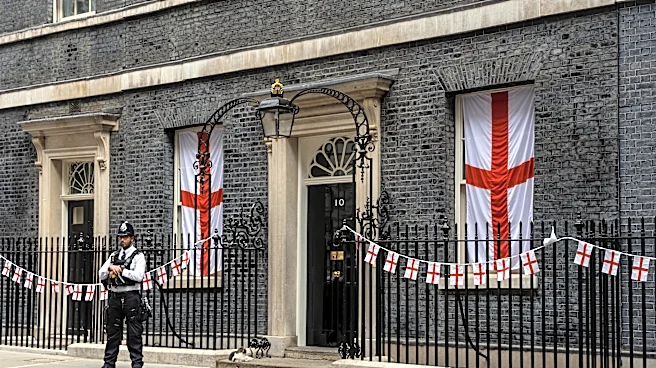
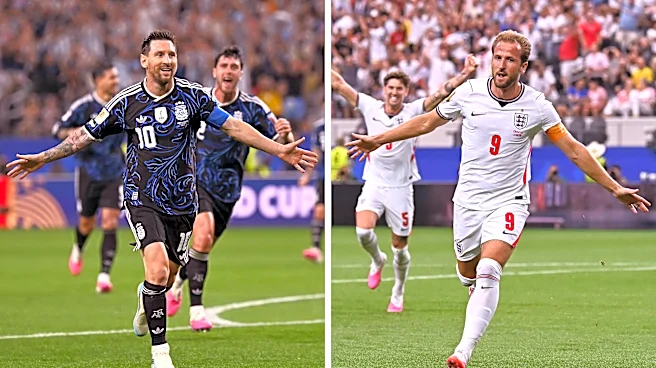
A mind filled with fear has no room for focus. The most effective leadership strategy in these moments is to replace the paralyzing fear of 'what if I miss?' with a simple, actionable plan. This is where preparation becomes paramount. Well before the final whistle, elite teams have already done the work. England manager Gareth Southgate, who famously missed a crucial penalty in 1996, revolutionized his country's approach by demystifying the shootout. He and his staff meticulously research opponents, identify their own best takers through data-driven practice, and establish a clear order. In the huddle, the leader's job is to deliver that plan with clarity and confidence. This involves confirming the list of takers, reinforcing their predetermined routines, and providing simple cues. The goal is to shrink the overwhelming moment into a small, manageable task that players have successfully executed hundreds of times in training. It turns a perceived lottery into a demonstration of a practiced skill.
Knowing Your Players, Individually
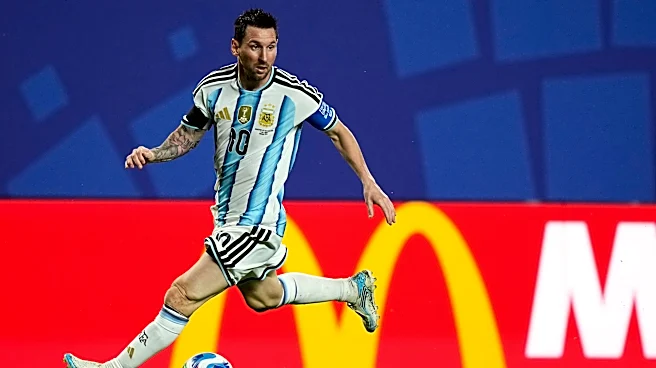
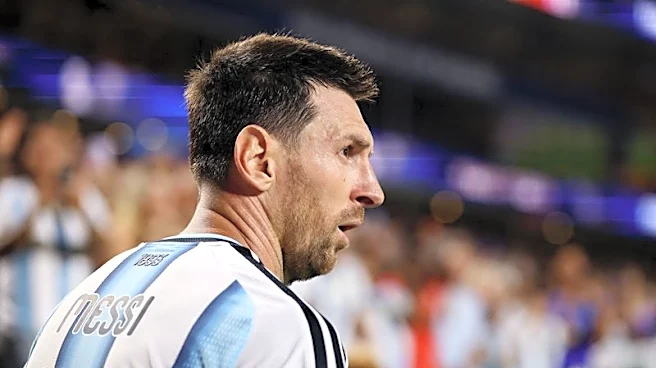
A one-size-fits-all motivational speech is useless before a shootout. The huddle is not the time for a fiery, generic 'win one for the Gipper' address. Great leaders understand the psychology of their individual players. Some players thrive on responsibility and need to be looked in the eye and told, 'We need you.' Others, particularly younger players, need the pressure taken off them entirely. A leader might put an arm around a nervous player and say, 'No matter what happens, we're proud of you. I'll take the responsibility.' Still others just need a joke to break the tension or to be left alone with their thoughts. Argentina coach Lionel Scaloni, for instance, has made it clear that a player of Lionel Messi's stature has earned the right to decide for himself if he feels ready to take a kick. This bespoke approach—knowing who needs a push, who needs a hug, and who needs space—is the hallmark of emotionally intelligent leadership.
Changing the Narrative
The final piece of the psychological puzzle is reframing. The default narrative of a penalty shootout is negative and centered on failure. Players are often thinking more about the consequences of missing than the glory of scoring. A leader's job is to flip that story. This can take several forms. One method is to take ownership of the outcome, a tactic Southgate has used to great effect. By telling his players that any miss is his fault because he chose the takers and the strategy, he liberates them from the fear of being made a scapegoat. Another approach is to frame the shootout as a unique opportunity for heroism. Instead of a test you can fail, it becomes a chance to be the one who sends the fans into delirium. A leader might remind the team of all the hard work they've put in, framing the shootout not as a random ordeal, but as the final, deserved step in their journey. It’s about shifting the mental focus from avoiding disaster to seizing victory.