

The Empty Calories of Fear
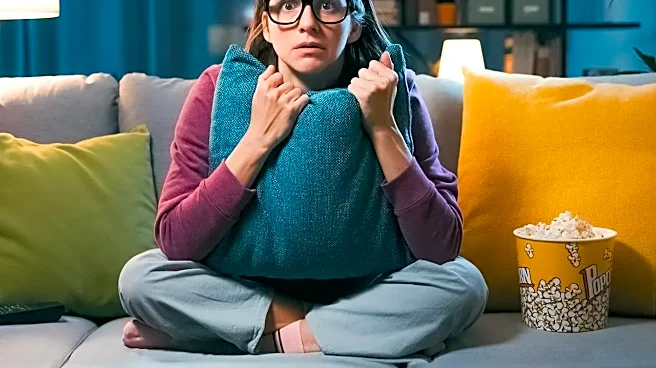
A jump scare is a simple, primal trick. It’s a biological hack, a reflex triggered by a sudden, jarring noise and a shocking image. It activates the amygdala, our brain's threat-detection center, giving us a physical jolt. For decades, this was a reliable
tool. Think of Jason Voorhees leaping from the lake at the end of 'Friday the 13th'. The problem is, what was once a potent spice in the horror recipe has become the main course for too many films. Like a diet of pure sugar, it provides a momentary rush followed by an empty, unsatisfied feeling. The effect diminishes with overuse; audiences have become so fluent in the language of horror that they can predict the scares, leading to eye-rolls instead of screams.
An Audience That Grew Up
Today’s horror audience is more sophisticated than ever. The rise of streaming and boutique studios like A24 has exposed viewers to a global library of horror, from slow-burn atmospheric dread to deeply psychological stories. Films like 'Get Out', 'Hereditary', and 'The Babadook' have proven that horror can be a vehicle for exploring complex themes like social anxiety, grief, and trauma. These films don’t just startle; they burrow into your mind and linger long after the credits roll. This shift began decades ago, moving from supernatural monsters to the horrors of the human mind in films like 'Psycho'. Now, that evolution has accelerated. Fans are no longer a passive audience waiting to be shocked; they are active participants who appreciate narrative depth and sustained tension.
The Power of Real Dread
The most effective horror isn’t about what jumps out of the shadows, but what lurks within them. True, lasting fear is built on a foundation of atmosphere, character, and suspense. It’s the creeping sense of wrongness in 'The Witch', the inescapable family tragedy of 'Hereditary', or the quiet, relentless tension in 'It Follows'. These films understand that fear isn't just a reflex; it's an emotional investment. They create a world so immersive and characters so compelling that the audience's dread comes from a place of genuine concern and psychological unease. They trade the quick jolt for a slow, crushing weight, which is far more terrifying and memorable. This is the kind of horror that generates discussion and earns a lasting place in the culture, not the kind that is forgotten the moment you leave the theater.
The Economics of the Easy Scare
So if jump scares are so cheap, why do studios keep using them? The answer is simple: they are incredibly effective marketing tools. A trailer packed with jolts can promise a rollercoaster of frights and attract a broad audience looking for simple, visceral entertainment. Historically, horror films are often low-budget, high-reward ventures, and a formula that works is hard to abandon. However, recent box office trends suggest this strategy is becoming less reliable. While big franchises can still draw crowds, indie darlings and original stories like 2026's 'Obsession' and 'Backrooms' have seen massive success by offering something different. These films prove there is a significant, and profitable, audience hungry for horror that respects their intelligence. They show that taking a creative risk can pay off far more than sticking to a tired formula.