



Every year, horror fans carve up Christmas and Halloween with countless slashers. Yet, Thanksgiving, a holiday ripe with tension and sharp objects, remains largely untouched. This isn't an accident; the holiday offers a killer marketing hook but also
a fundamental creative problem.
The Built-In Marketing Hook
Setting a horror movie during a major holiday is one of the oldest and smartest tricks in the book. Holidays provide an instant, universally understood theme. Christmas has Santa, trees, and carols; Halloween has costumes and spooky decorations. These elements offer a rich visual and thematic palette for filmmakers to subvert. The marketing writes itself: a killer Santa, a haunted Easter egg hunt, or a malevolent Valentine. The appeal is in twisting the familiar and wholesome into something terrifying. This subversion creates a satisfying sense of dread because it corrupts moments associated with comfort and joy. Thanksgiving seems like a perfect candidate. It has iconic imagery—Pilgrims, turkeys, cornucopias, and sprawling family feasts—all ready to be drenched in blood. The holiday brings a captive audience, with families gathered and looking for something to watch after dinner. It worked for John Carpenter's 'Halloween,' which became a cultural touchstone, and the ever-growing list of Christmas horror proves the model's success.
A Familiar Setting for Fear
Beyond the marketing, Thanksgiving offers a psychologically potent setting. The core of many great horror stories is the invasion of a safe space. A family dinner is supposed to be a moment of warmth and connection. Turning that dinner table into a slaughterhouse, as films like 'You're Next' do, preys on deep-seated anxieties about family dynamics and vulnerability. The holiday practically forces people into enclosed spaces with relatives they might spend the rest of the year avoiding, creating a natural pressure cooker for conflict. That built-in tension is a gift to any horror writer. It taps into real-world holiday stress and blows it up to monstrous proportions. The idea that the greatest danger might be sitting right across from you, passing the gravy, is a deeply unsettling concept that the Thanksgiving holiday serves up on a silver platter.
The Thematic and Tonal Problem
So if the setup is so perfect, why is the Thanksgiving horror subgenre so sparse? The main issue is a thematic clash. Halloween's purpose is to embrace the spooky and mischievous. Christmas has a dark underbelly in its folklore, with figures like Krampus who punish the naughty, providing a natural entry point for horror. But Thanksgiving's central theme is gratitude. It's a holiday about earnest appreciation and togetherness, which is tonally at odds with the nihilism and brutality of a typical slasher film. There's no inherent monster, no folklore to twist. A killer turkey? It's been done, but almost exclusively as self-aware, ridiculous comedy, like in the cult film 'ThanksKilling.' The film and its tagline, 'Gobble Gobble, Motherf*&Ker,' lean so far into absurdity because it's nearly impossible to treat the concept seriously. The holiday's wholesomeness makes it difficult to generate genuine scares without the result feeling forced or silly.
How Modern Slashers Are Solving the Puzzle
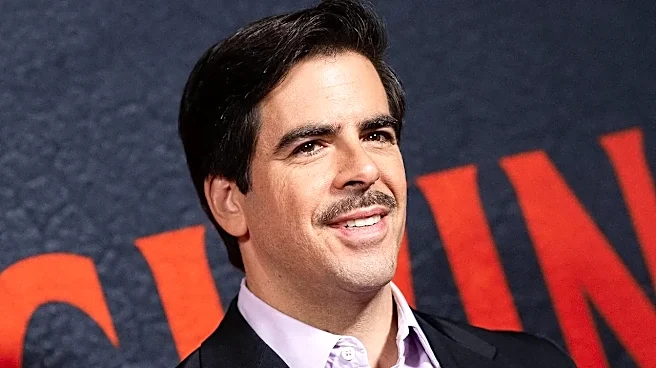
The few films that successfully navigate this problem do so by sidestepping the holiday's core theme. Instead of making gratitude itself the source of horror, they use the holiday as a backdrop for a more conventional story. Eli Roth's 'Thanksgiving,' which began as a fake trailer in the 2007 film 'Grindhouse,' finally became a full-length feature in 2023. Its solution was ingenious: the movie's conflict isn't about the historical or emotional meaning of Thanksgiving. Instead, the kills are revenge for a deadly Black Friday riot that occurred a year prior. This masterfully links the story to the holiday season while rooting the killer's motive in the very modern, and very American, horror of consumerist greed. The film focuses on recognizable slasher tropes—a masked killer, creative kills, and a whodunit plot—and was largely praised by critics for being a fun, back-to-basics slasher that delivered on its promise. It proved that a Thanksgiving slasher could work, as long as it found a compelling horror concept that the holiday itself couldn't provide.