







The Marathon of 'The Captain'
For twenty seasons, Derek Jeter was more than the New York Yankees' shortstop; he was the living embodiment of the franchise. His leadership pressure was a marathon, a slow, grinding force applied over 162 games a year, amplified by the relentless New York media
market. His style was one of quiet consistency and unwavering professionalism. He wasn't known for fiery speeches but for leading by example—showing up every day, playing through injuries, and maintaining a calm demeanor amidst the chaos. Teammates noted his incredible work ethic and maturity from a young age. The pressure on Jeter was intense, but it was also localized. It was the pressure to win for a city, to uphold a dynasty's legacy, and to perform for a notoriously demanding fanbase. He admitted to feeling the immense weight of expectations, especially during milestone chases, but his job was to be the steady hand on a ship navigating the long, choppy waters of a baseball season.
The Sprint of a Nation's Hopes
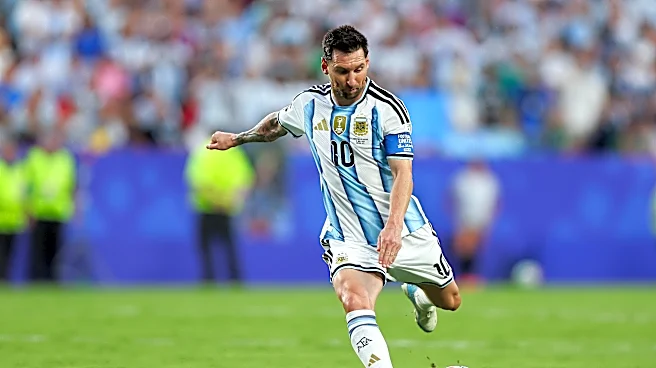
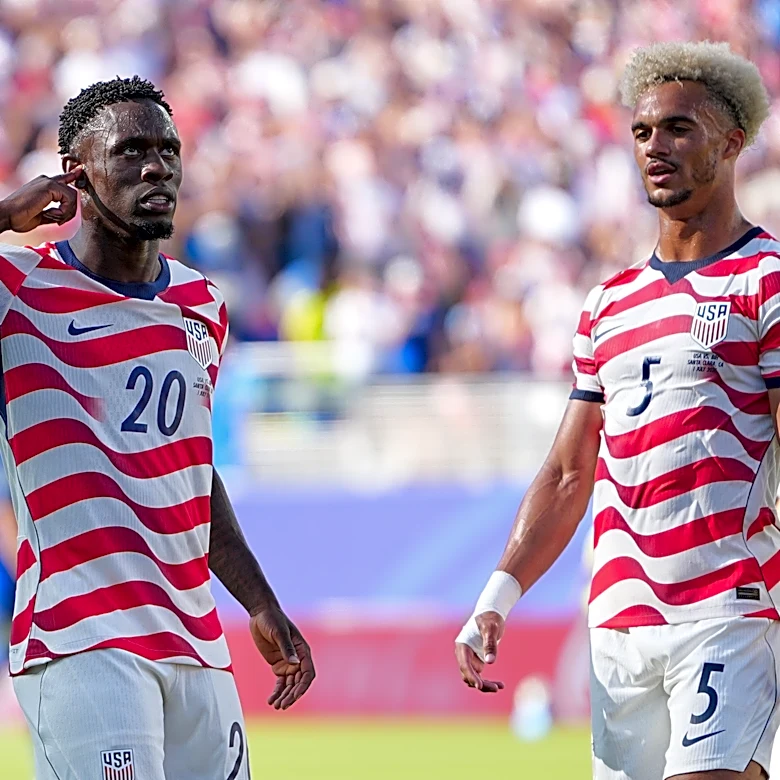
Contrast that with the captain of a national soccer team at the World Cup. This pressure is a violent, concentrated sprint. For superstars like Argentina's Lionel Messi or the USA's Christian Pulisic, they carry the weight of an entire country's identity and hopes on their shoulders for one frantic month every four years. A single mistake—a missed penalty, a defensive lapse—can lead to national heartbreak and define a career. The pressure is not just from media, but from the collective emotional investment of tens of millions of people who may not follow the sport year-round but live and breathe it during the World Cup. International captains must unify teammates who are often rivals at the club level, creating cohesion in a matter of weeks. For Messi, his entire career was viewed through the lens of whether he could deliver a World Cup for Argentina, a burden he finally lifted in 2022, only to face it again in the 2026 title defense.
Different Arenas, Different Demands
The core difference lies in the structure of their sports and the nature of their teams. Jeter’s leadership was forged in the daily grind of a clubhouse, a permanent fixture for two decades. He could have quiet, closed-door conversations and build relationships over thousands of games and practices. A soccer captain, by contrast, parachutes into a high-stakes environment with their national team periodically. Their influence must be immediate and potent. While Jeter battled the New York tabloids, a World Cup captain faces the scrutiny of their entire nation's press, where a loss can be treated as a national crisis. Christian Pulisic, nicknamed 'Captain America', has felt this acutely, with his leadership and commitment questioned by fans and pundits alike as he shoulders the responsibility for a 'golden generation' of American soccer on home soil in 2026.
The Universal Language of Leadership
Despite the vastly different contexts, a common thread emerges. Both roles demand an almost superhuman level of accountability. Jeter’s philosophy was to deflect praise to his team and absorb pressure himself. Similarly, a soccer captain is the first person to face the cameras after a devastating loss, tasked with explaining the unexplainable to a heartbroken nation. Both must lead by example, whether it's Jeter hustling on a routine ground ball or Messi continuing to create chances when his team is struggling. They are the mediators with referees, the steadying presence in the locker room, and the public face of the team in victory and defeat. The most effective captains, whether in baseball or soccer, understand that leadership is not about being the best player, but about making everyone around them better.